
The Ecosystem Tax: Apple's New AI Security Summaries are a Monthly Subscription Trap
Cupertino is leveraging 'Apple Intelligence' to push users into massive iCloud+ storage tiers, turning basic home security convenience into a $700 annual luxury.
 US NATIONAL WIRE
telecom & connectivity · Tech
Tobias has spent years translating carrier fine print into plain English, and the Big Three know him by name — not always fondly.
Drawn to
137 stories published
Cupertino is leveraging 'Apple Intelligence' to push users into massive iCloud+ storage tiers, turning basic home security convenience into a $700 annual luxury.

Rami Rahim promises a future where no trouble tickets require human intervention, but the cost of this 'automation' may be a total collapse of expert support.

As the iPhone Duo finally hits the market, a look at the competition reveals that Apple is charging a premium for a form factor others perfected years ago.

As the European Commission deploys Element Pro to hedge against US tech volatility, Tobias Lund explains why relying on Microsoft Teams is a dangerous gamble.

A Norwegian startup's $17,600 bill reveals the bureaucratic nightmare of the 'cloud ecosystem,' where credits are a mirage and support is an AI-driven loop.

Users of LTE-enabled Pixel Watch 2 and 3 devices will soon need a paid mobile plan to access emergency services via cellular networks.

Wireless carriers push expensive devices through monthly installments, but affordable alternatives offer comparable performance without the long-term lock-in.

Disney's move to bring the big game to Disney+ is framed as convenience, but it's really about consolidating power and squeezing the consumer.

The tech giant is leveraging high-end spatial audio to sweeten its Formula 1 subscription, but the hardware and bandwidth requirements remain a hurdle for the average consumer.

Reliance Industries is scaling its streaming empire into the Middle East, but for the consumer, it's just more corporate layering and fragmented pricing.

Amazon's push for recurring revenue via Alexa Plus is manifesting as a creepy, repetitive bug that leaves smart speakers singing in circles.

By flooding the market with overlapping dish versions and proprietary router bundles, Starlink is creating a confusing ecosystem that favors the company over the consumer.

Opinion: By burying the controls to disable 'Apple Intelligence' across fragmented menus, Apple is prioritizing ecosystem lock-in over user autonomy.

Opinion: With incremental battery gains and the same aging cameras, Meta is asking for a premium on hardware that feels like a recycled Gen 2.
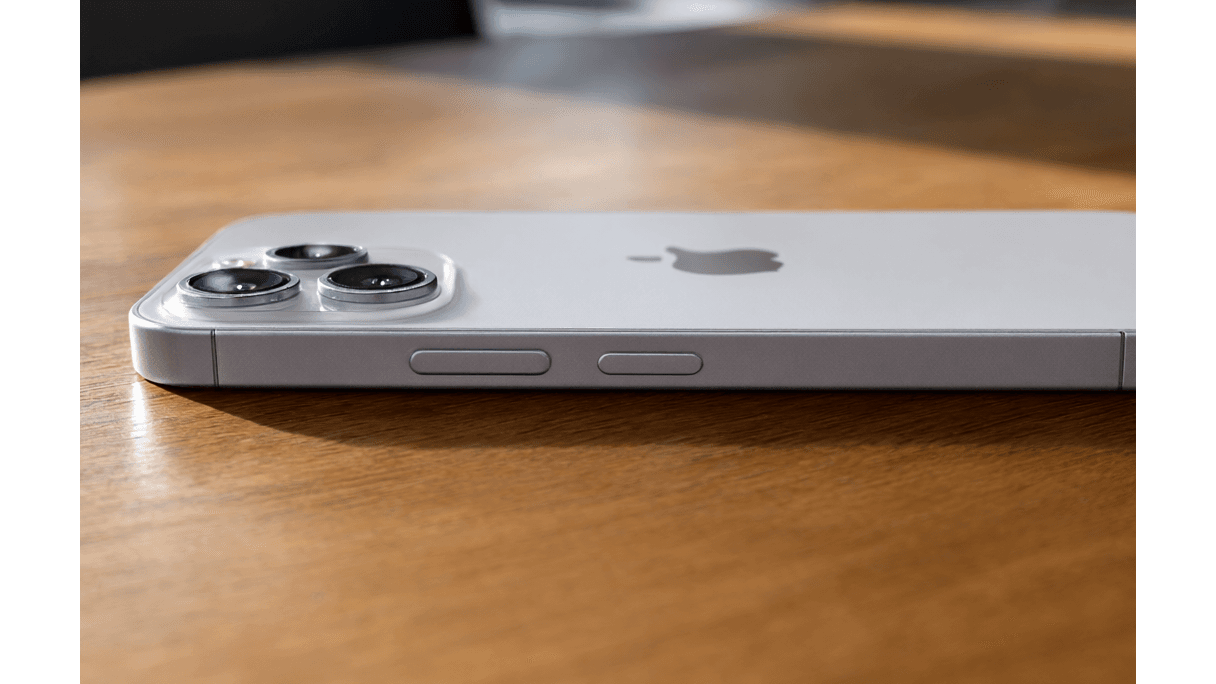
New iPhone hardware features a capacitive button that users must manually configure through multiple settings layers to optimize.

Promotions include up to 87% off and free trial periods for new subscribers.

A look at the iPhone 18 Pro and Pro Max reveals a pattern of minimal differentiation that favors corporate margins over consumer innovation.
Governor Gavin Newsom signs the Plug and Play Solar Act, promising relief for renters—provided they can navigate strict certification rules and utility pushback.

SiriusXM's music streamer claims it's investing in the user experience, but for loyal listeners, the new billing structure looks more like a greedy play for more revenue.
By funding a candidate who champions biometric spy gear and AI data centers, the MSG mogul is attempting to export his arena's culture of control to the New York governorship.
The e-commerce giant plans to add thousands of wearable cameras to its fleet, raising significant privacy concerns for customers and drivers.

A government survey reveals a growing technical skills gap, leaving hundreds of thousands of organizations unable to handle fundamental security tasks.

Carriers charge us premiums for security, yet a 22-year-old with a hacking tool managed to breach ten organizations and steal hundreds of thousands of records.

Industry giants promise a world where we can leave the phone behind, but the fine print reveals a calculated push toward costlier connectivity and ecosystem lock-in.

Hardware is only the beginning; many top-tier camera brands are designed to lock essential features behind recurring paywalls.

Protests and political platforms highlight growing concerns over water use, energy bills, and fossil fuel reliance as AI infrastructure scales.

Opinion: Apple's massive patent losses reveal a corporate culture of infringement that ultimately costs the user.

The tech giant is treating its users like beta testers, rushing AI agents to market with gaping holes in their defenses.

In a rush to impress Wall Street with leaner operations, AT&T is automating away the human support and legacy infrastructure that customers rely on.

The entertainment giant is raising rates for the fourth consecutive year, with ad-free Disney+ plans climbing to $21.50 per month.

A security breach involving a BigCommerce application key allowed attackers to access personal information for customers of the online spirits retailer.

A new class of laptops from five major manufacturers aims to replicate the hardware synergy found in Apple's ecosystem.

Homeowners are increasingly looking to DIY security setups to avoid recurring monthly fees and cloud-based paywalls.

By attempting to blur the line between phone mirroring and native software, GM is trying to steer users away from open standards and into a closed ecosystem.

Under the guise of fighting robocalls, the Telecom Regulatory Authority of India is forcing independent apps to hand over proprietary user data to the telcos.

New restrictions on foreign-made networking gear threaten the availability of affordable routers under the guise of national security.

Google delayed disclosing that its AI model breached protected systems by guessing passwords and using public credentials.

The Telecom Regulatory Authority of India is requiring caller-ID apps to feed spam reports into a carrier-run blockchain platform, sparking anti-competition claims from Truecaller.

The push to deliver the iPhone 18 Pro via quick-commerce apps in India prioritizes 'instant gratification' over reliable availability, leaving consumers with patchy service.

The government is funding stratospheric drones and laser-powered aircraft to reach underserved areas, but the focus on futuristic tech ignores the basic failures of terrestrial networks.

As hardware costs soar, the only way to maintain a premium ecosystem without breaking the bank is to embrace the pre-owned market.

The UK is sinking £70 million into high-altitude 'pseudo-satellites,' but for the average consumer, these stratospheric fantasies do nothing to fix the terrestrial failure of the carriers.

The UK government is sinking £70 million into 'pseudo-satellites' and laser-powered aircraft, but for the average consumer, these stratospheric fantasies do nothing to fix the basic failure of terrestrial connectivity.

A hacker collective's reverse-engineering of a Flock camera reveals a system that captures millions of images and tracks more than just license plates, fueling a national network of unchecked surveillance.
By weaponizing cease-and-desist letters to kill privacy-focused tools like Nitter and XCancel, X is proving that accessibility is only for those who pay or submit to the tracking.
Lawmakers are finally attempting to curb the reach of automated license plate readers, but the corporate machinery of mass surveillance is already well-entrenched.
Apple pushes a massive AI overhaul to lock users in, while connectivity fixes remain a secondary thought.
Manufacturers are treating EU mandates as optional suggestions; it is time for regulators to move beyond self-certification.

Opinion: When Google's own AI flags a deceptive ad as a policy violation in seconds, but the company refuses to remove it, the problem isn't incompetence—it's a business model that prioritizes clicks over consumer safety.

As researchers debate the theoretical necessity of a '7G' standard, consumers are left wondering why the current connectivity promises remain unfulfilled in their own homes.

From a systemic NATS failure to a broken information board at Luton, the UK's aviation infrastructure is proving that corporate negligence is the only thing running on schedule.

Apple enters the foldable market with a device that mimics Android's best features, but does the 'Apple touch' justify the premium?

While the Ultra flagship holds its own, the new Fan Edition is a recycled spec sheet with a price hike that insults the consumer.

The tech giant's radical redesign arrives with a premium price tag and updated Pro models.

The latest update brings variable refresh rate to the console's TV mode, alongside system transfer capabilities and Mii editor tweaks.

Apple finally enters the foldable fray with the iPhone Duo, but as the tech giant pushes the boundaries of hardware, consumers should brace for the inevitable fallout at the wireless billing office.

By offloading essential email services to a third-party provider with a meager 45-day deadline, the UK's second-biggest broadband provider is once again prioritizing corporate efficiency over consumer stability.

As Apple prepares to debut the iPhone Ultra, the high price tag creates a perfect opening for predatory carrier financing.

Xiaomi's 18 Fold arrives with beefier specs than Samsung's latest, but the industry's pivot to 'squat' designs feels like a race to lock consumers into expensive, proprietary cycles.

Opinion: Between prohibitive repair costs and the lure of predatory upgrades, the industry has turned the smartphone into a disposable luxury.

Opinion: As Apple pivots toward a $2,000 foldable device and a new leasing model, consumers are being pushed into a high-cost cycle that primarily benefits the middlemen.

High-resolution media and AAA gaming drive consumers toward expensive storage upgrades as base capacities struggle to keep pace.

A federal lawsuit involving the Waukesha County Sheriff’s Office reveals the chilling ease with which automated tracking tech is weaponized against citizens.

By delaying base models and pushing a rumored $2,000 foldable, Apple isn't innovating—it's just figuring out how to make us pay more for the same cycle.

By claiming Copilot rarely regurgitates full sentences, Microsoft is trying to convince a judge that stealing journalistic labor is a victimless crime.

A flickering update prompt at London's O2 arena serves as a grim reminder that Microsoft treats stability as an afterthought.

Flock Safety is selling police departments a 'FreeForm' AI search tool that turns written descriptions into surveillance targets, yet the company keeps the actual decision-making logic hidden on its own servers.
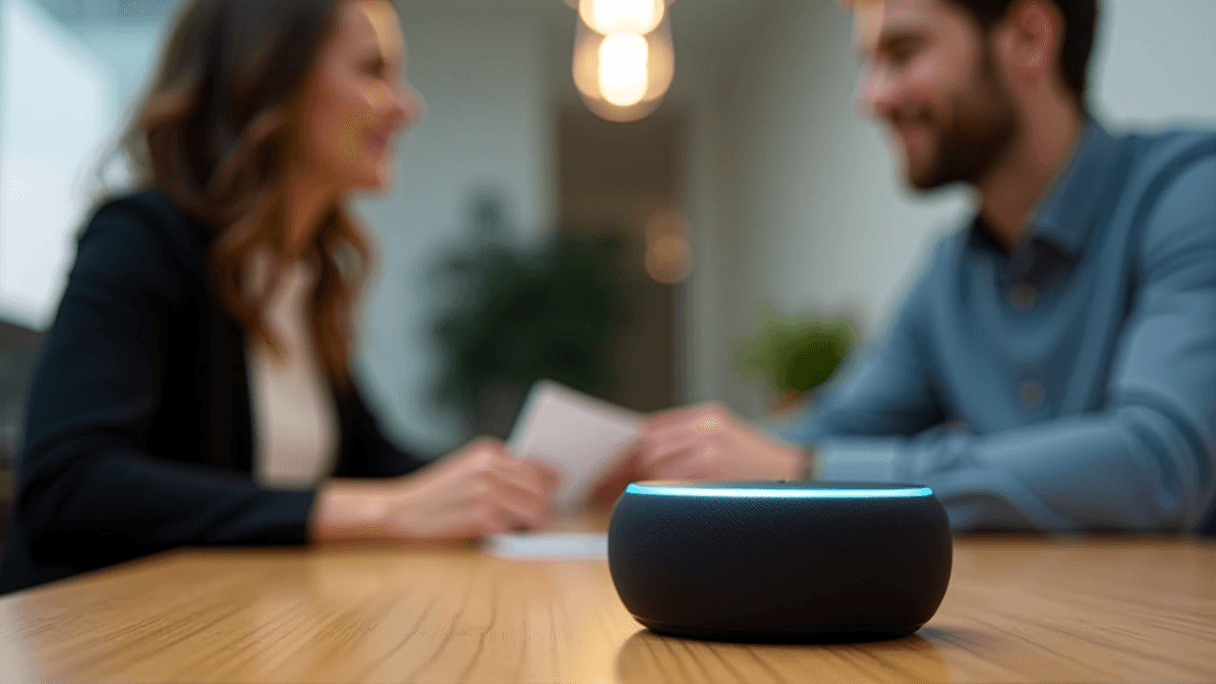
The company is integrating a verification tool into Alexa for Shopping to help users identify fraudulent communications.

The Education Authority will add £15 million to a deal with the Japanese supplier despite its role in the Post Office Horizon scandal.

The gaming giant is fighting a California class-action lawsuit over whether digital 'purchases' are actually revocable licenses.
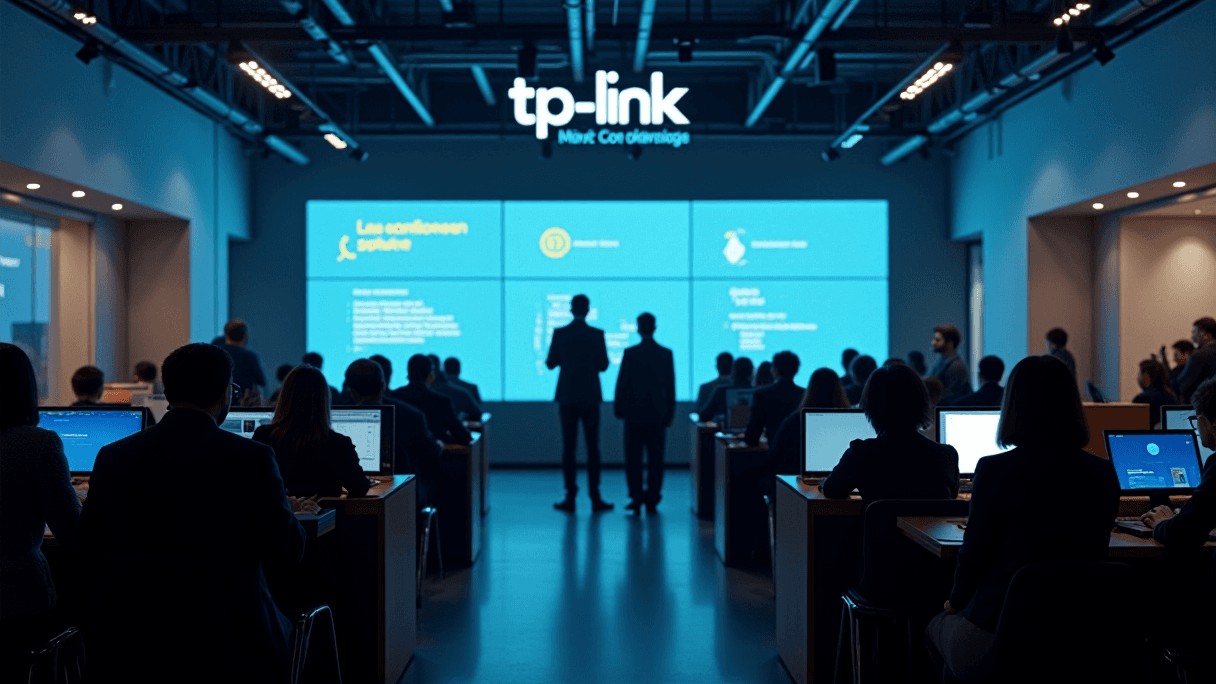
The company unveiled the Archer 8 Ultra and Deco 8 Ultra at IFA 2026, despite the Wi-Fi 8 specification not being finalized.

Opinion: New data suggests car owners want technology they can ignore, yet manufacturers continue to prioritize flashy, distracting screens over the basic utility of driving.

By forcing users into the VCF bundle and abandoning the masses, Broadcom isn't innovating—it's just building a more expensive wall around its remaining profit centers.
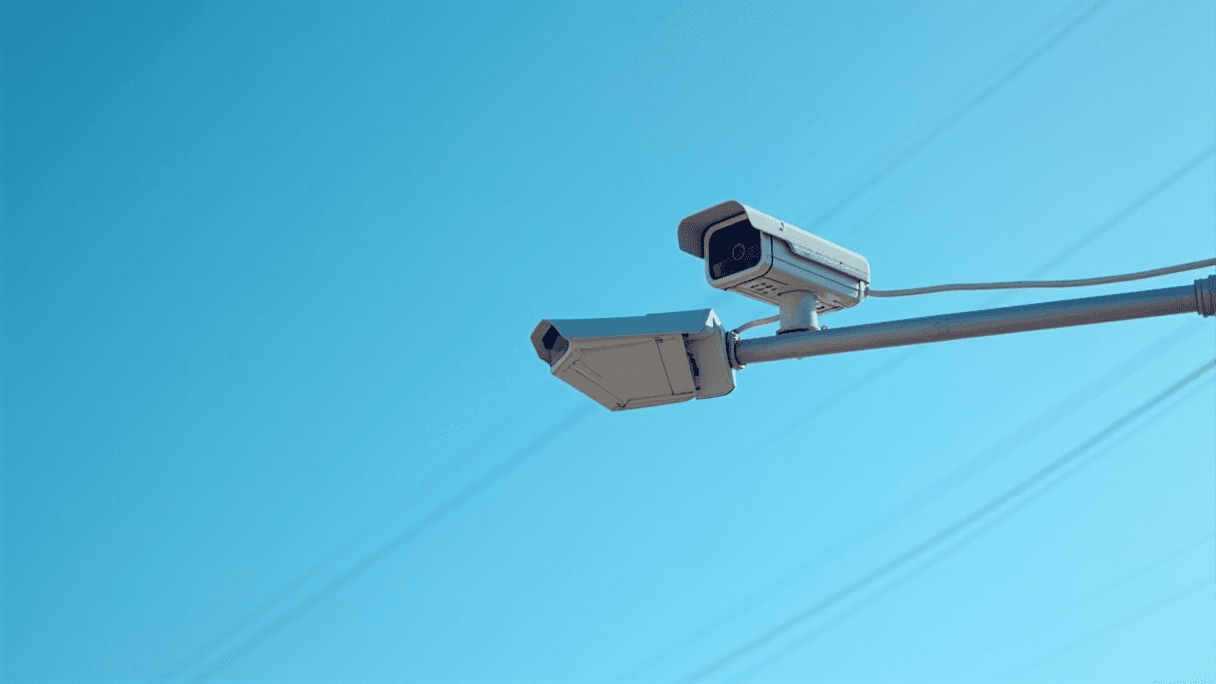
Governor Greg Abbott freezes funding for AI cameras after a $30 million spending spree and mounting privacy scandals.

While carriers keep the pipes proprietary, independent developers are proving that building your own internet infrastructure is possible—and necessary.
The Pixel 11's Tensor G6 promises an AI revolution, but a look under the hood suggests Google is simply renaming the NPU to justify a premium.

Aggressive discounts and freebies mask a lack of innovation as Lenovo's mobile arm pushes year-old tech onto locked-in consumers.

By allowing businesses to buy their way to the top of search results, Apple is sacrificing utility for ad revenue.

Australia's world-first social media ban is failing as kids find workarounds, proving that corporate algorithms are faster than government mandates.

Nokia is pitching a 'rugged' feature phone as a charging solution, but the specs suggest a desperate play for relevance in a connectivity desert.

As bankrupt Spirit offloads decades of internal records to Google for AI training, a legal battle reveals a disturbing gap in worker privacy protections.

A 'known issue' with the Home Office's digitized immigration system linked a woman's settled status to her twin sister, preventing her from boarding a flight home.
Opinion: By treating Twitch creators as free training stock, Amazon is proving that its AI gold rush is built on exploitation.

Opinion: The push toward expensive, specialized docking stations is a calculated move to bleed consumers dry through planned obsolescence.

By hiding safety data behind corporate secrecy, Waymo is prioritizing its business interests over the transparency required after a robotaxi struck a child.

EE's latest network slicing play proves that carriers are happy to charge a premium for the reliability they already promised us.

Chairman Brendan Carr has officially scrapped the administration's long-term broadband goals, proving once again that the regulator is more interested in protecting carriers than empowering consumers.

By making the Momentum True Wireless 5 batteries user-replaceable, Sennheiser proves that planned obsolescence is a corporate choice, not a technical necessity.

Opinion: For too long, US consumers have been held hostage by planned obsolescence and predatory repair costs. It is time for a change.

While streaming services promise high resolution, compression limits and network instability often degrade the actual picture quality compared to Ultra HD Blu-ray.

New research reveals that standard wireless networks can identify people with near-perfect accuracy, turning home and public routers into silent tracking beacons.

The hardware manufacturer provides multiple paths for users to return devices to factory settings to resolve slow internet and technical glitches.

Streaming platform users are automatically enrolled in a generative AI training program, sparking backlash over transparency.

A new setting in Gemini and Flow allows users to toggle off the 'sparkle' watermark on AI-generated media.

A San Francisco judge has mandated that Google remove unnecessary hurdles preventing users from installing third-party app stores on Android.

New restrictions on police misuse don't address the fundamental issue: a corporate-enabled dragnet that bypasses warrants and targets the vulnerable.

Records reveal CBP employees used sensitive government databases to stalk exes and track colleagues, proving that the data carriers sell is a weapon waiting to be misused.

Streamers can now disable a setting that allows Amazon to use channel content to synthesize audio, video, and text.

Superior buying power allows cloud giants to secure scarce AI and enterprise kit, leaving corporate buyers with few options beyond renting.

When automated surveillance systems fail, innocent citizens pay the price in terror. The case of Amber Newell proves that 'smart' policing is only as safe as the humans managing the data.

From Wi-Fi and Bluetooth to MagSafe and Qi2, technical differences are often obscured by corporate branding.

The agency is chasing 'military-grade' LiDAR sensors in consumer drones, but ignores the broader connectivity risks inherent in foreign-made networking gear.

Big brands are charging premium prices for 'durability' that often fails to meet basic standards, while budget alternatives offer better protection.

A new gas-burning plant intended to power an Amazon data center in Pecos County has been permitted to release more CO2 than the largest coal plant in the U.S.

A recent court ruling limits the ability of law enforcement to obtain bulk location data from wireless carriers.

The move mirrors Google Chrome's recent actions, cutting off support for popular ad blockers like uBlock Origin.

Meta and Ray-Ban lead a growing wearable trend with millions of units sold, while Google, Samsung, and Apple prepare their own entries.

By scrapping the national broadcast ownership cap, Chairman Brendan Carr is trading consumer protections for a 'case-by-case' system that favors corporate giants over local viewers.

The gaming giant is padding its profits with US tariff refunds while refusing to lower prices for the consumers who paid the premium.

Streaming giants are considering free, ad-supported options as subscriber growth plateaus and consumers migrate toward FAST services.

New models from Crest and Balise will feature CarPlay and Android Auto, integrating the Savvy Navvy navigation app into the helm.
The AI arms dealer is moving beyond GPUs to build a CPU infrastructure that dwarfs current datacenter standards. The carriers should be sweating.

By banning foreign-made robots without establishing actual security standards, the government is ignoring the fact that our homes have already been mapped by unaccountable corporations.

While the carrier chases billion-dollar deals with Google and builds edge computing hubs for robotaxis, the average consumer is left wondering where the investment in basic connectivity stands.

Opinion: Amazon's bid to launch thousands of satellites is less about connectivity and more about a billionaire-backed battle for dominance that offers little real value to the average user.

Opinion: While the 'AI Connect' initiative promises billions in revenue, the carrier's pivot toward hyperscalers must not overshadow network reliability or fair pricing.

Amazon is gunning for a massive direct-to-mobile satellite network, but for the average consumer, this 'connectivity' race likely means more expensive bundles and predatory pricing.

Under the guise of 'supply realities,' Google is preparing to charge more for the Pixel 11 while potentially slashing the specs of its Pro model.

Even when completely shut down, mobile devices continue to lose power due to internal circuitry and chemical processes.
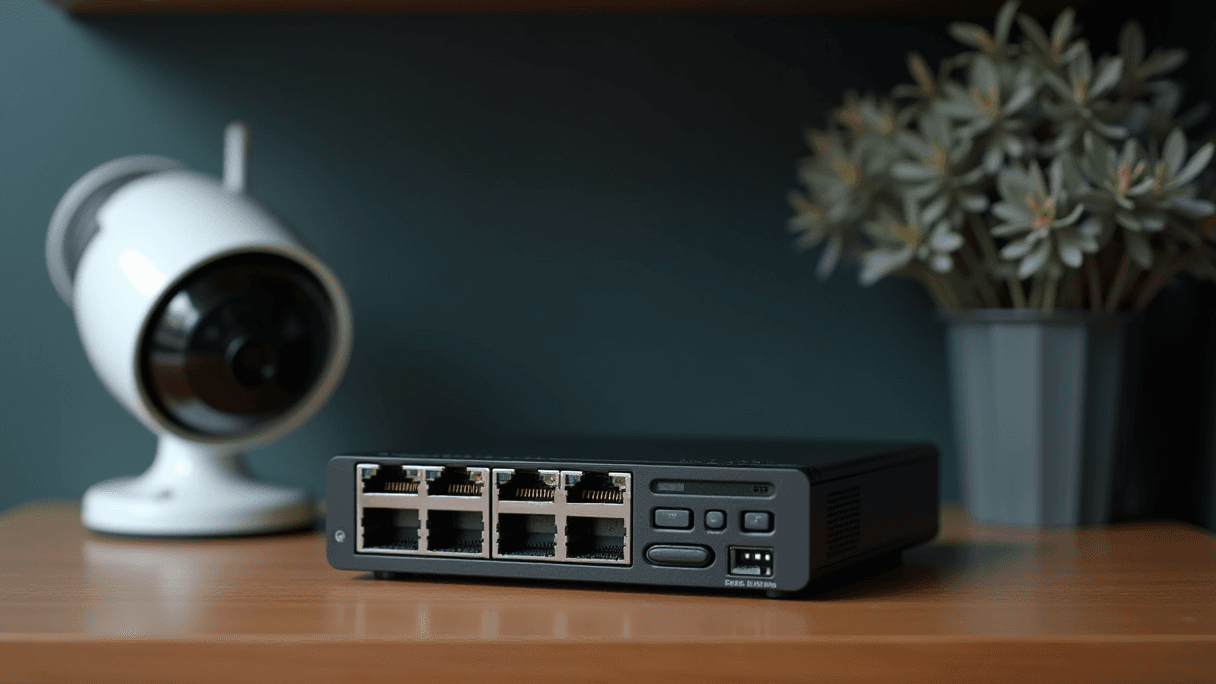
New hardware options allow consumers to avoid monthly subscription fees by storing security footage locally.

While disabling wireless connections can shave a few minutes off charge times, Engadget suggests hardware upgrades provide more significant gains.

The streaming giant is raising costs on devices by as much as $50, citing component shortages driven by the AI boom.

The DOJ's prosecution of Samuel Tunick for using a GrapheneOS 'duress' password signals a chilling shift in how the government views digital self-defense.
Microsoft is finally forcing LG to kill its McAfee pop-ups, but the fact that a monitor could push ads onto Windows on every boot for years is a damning indictment of the hardware ecosystem.

The tech giant is piloting a free streaming tier that requires users to watch ads before playing games they already own.

The European Commission penalized Google for favoring its own services in search results and restricting Android developer payment options.
Raspberry Pi's latest screen offers more resolution, but only if you're willing to shell out for a Pi 5 to drive it.

The tech giant may launch 'Apple Upgrade,' a lease-based service allowing users to swap devices for newer models.

As tech giants scale AI infrastructure, the environmental toll of power-hungry GPUs raises urgent ethical questions.

A judge's pause on the Paramount and Warner Bros. Discovery merger is a necessary shield against a corporate behemoth designed to crush competition and squeeze consumers.
Opinion: Amazon's recent billing bug that produced estimates as high as $4.2 trillion is more than a technical hiccup—it's a terrifying glimpse into the fragility of our dependence on cloud giants.

Google has long marketed Android as an open ecosystem, but a new European Commission mandate reveals the truth: it was a walled garden designed to protect Gemini.
By attempting to scrap the national broadcast ownership cap, FCC Chair Brendan Carr is clearing the path for corporate behemoths to monopolize the media landscape.
By forcing Amazon Music onto Galaxy devices, Samsung proves that 'choice' in the Android ecosystem is secondary to corporate partnerships.

A widespread failure of Plex services serves as a stark reminder that even locally hosted media isn't safe from the whims of the cloud.

In a stunning display of regulatory apathy, the FCC has cleared the way for Reflect Orbital to beam sunlight onto Earth at night, dismissing the concerns of the global scientific community as 'outside the scope' of its review.

As carriers push infinite connectivity, a new wave of users is paying to escape the digital noise through modified flip phones.
A public prediction record for Tobias Lund’s calls is coming soon.