
The Great Firewall of Childhood is Crumbling

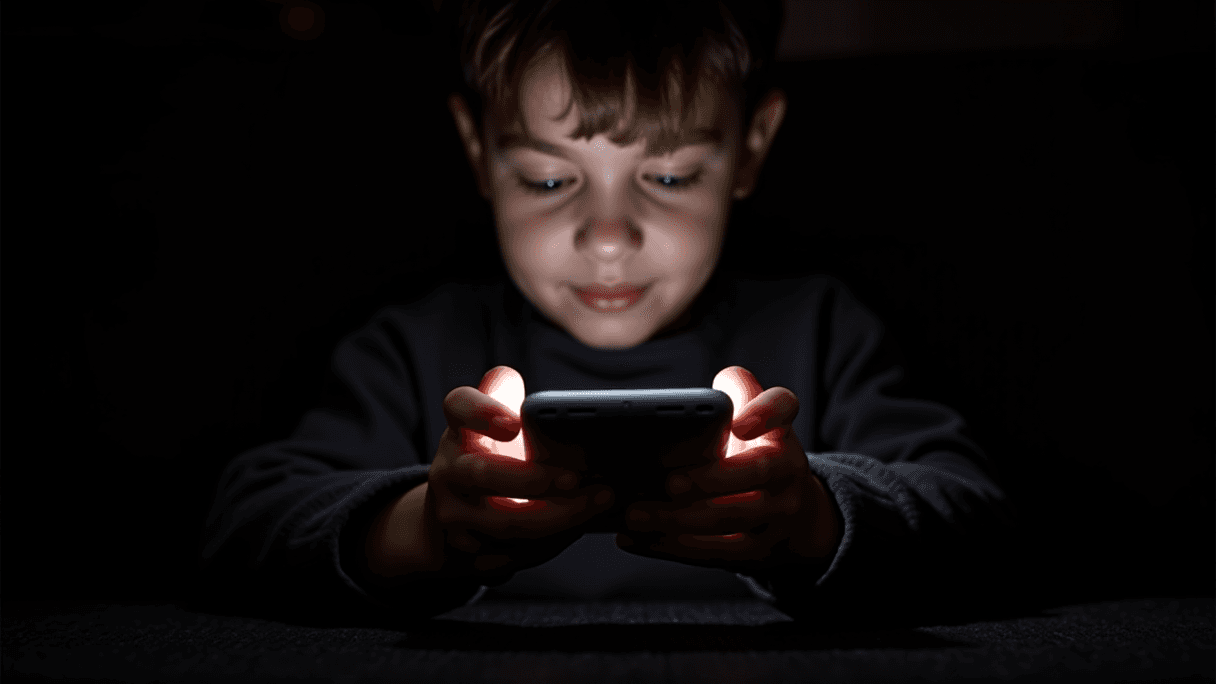
AI-generated image · US National Wire
Australia's world-first social media ban is failing as kids find workarounds, proving that corporate algorithms are faster than government mandates.
OPINION: For years, we have watched the titans of the tech industry build digital ecosystems designed to capture every waking second of our children's attention. When the Australian government finally stepped in last December with world-first legislation to ban children from social media, it felt like a victory for the parents. But as the data now shows, the regulators are bringing knives to a gunfight.
As France 24 first reported, data provided by the parental control software company Qustodio reveals that social media use among Australian under-16s is climbing again. While there was an initial dip in activity when the legal restrictions first took hold, the numbers are now trending upward, in some cases nearly returning to pre-ban levels.
The failure is most evident among the most addictive platforms. France 24 reports that TikTok, Instagram, and Snapchat are seeing a resurgence among both 10-12 year olds and 13-15 year olds. The numbers for TikTok are particularly damning: 25.9 percent of 13-15 year olds are still using the app, a drop of just over one percentage point from the pre-ban era. For the 10-12 age bracket, the decline is a negligible 0.06 percentage points.
How is this happening? Yasmin London, a Global Online Safety Expert for Qustodio, suggests that children may be using VPNs or simply obfuscating their ages to bypass the gates. London notes it could be as simple as the fact that the restrictions are just not working. This is the classic agility gap: regulators write a law in a boardroom, but the platforms—and the kids who know them best—operate in a fluid, digital environment where a simple software tweak or a fake birthdate renders a law irrelevant.
Furthermore, the ban has simply pushed the behavior elsewhere. France 24 reports that children are increasingly migrating to WhatsApp, a messaging platform that remains unaffected by the ban. This is the 'balloon effect' of regulation; squeeze one area, and the pressure simply moves to another.
Australian officials claim these bans are necessary to shield children from 'predatory algorithms' and online bullying. However, a peer-reviewed study published in June by Australia-based researchers found little evidence that teenagers have actually turned away from social media because of the laws.
While New Zealand is attempting to add teeth to these efforts—proposing legislation that could fine companies like Meta up to 10 percent of their global revenue for non-compliance—the Australian experience serves as a warning. We cannot legislate away an addiction when the platforms are designed to be inescapable and the users are more tech-savvy than the bureaucrats. The corporate grip on our kids' attention isn't just strong; it's adaptable.