
The Location Data Pipeline: A Loaded Gun for Bureaucratic Vendettas

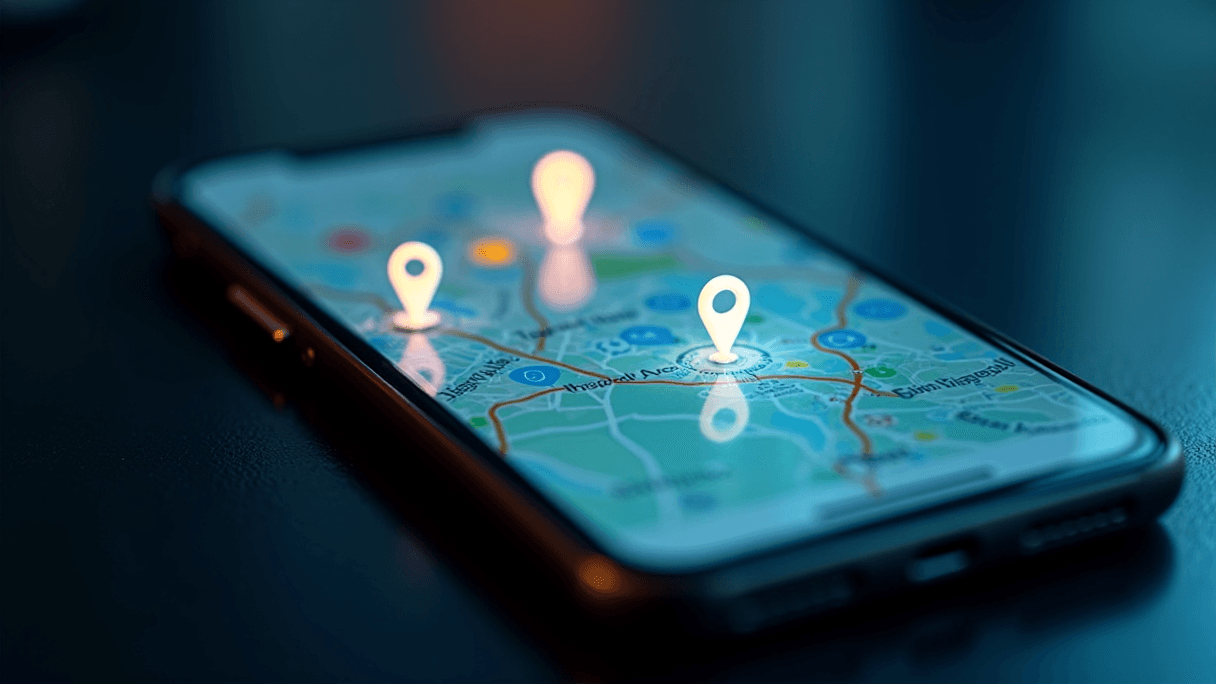
AI-generated image · US National Wire
Records reveal CBP employees used sensitive government databases to stalk exes and track colleagues, proving that the data carriers sell is a weapon waiting to be misused.
OPINION: For years, I have warned that the connectivity ecosystem is built on a dangerous premise: that the massive troves of location data harvested by our devices and sold by carriers are handled with professional integrity. As WIRED first reported, latest revelations regarding U.S. Customs and Border Protection (CBP) prove that this trust is misplaced. When carriers sell location data to the government, they aren't just providing a tool for law enforcement; they are handing over a loaded gun that bureaucrats are using to settle personal scores.
Reporting from WIRED, based on Freedom of Information Act requests to the Department of Homeland Security’s (DHS) Office of Inspector General and CBP’s Office of Professional Responsibility, exposes a decade of systemic abuse. Between 2009 and 2022, CBP employees and contractors allegedly weaponized internal databases for reasons entirely unrelated to national security. The records detail hundreds of allegations where sensitive data was used to monitor family members, track romantic interests, and expose private information.
Most chilling is the specific misuse of the very technology I track daily. WIRED reports on a case where a DHS employee allegedly used ad-tech-derived location data—the same commercially purchased data generated by ordinary apps—to track the cell phones of several coworkers. This marks the first known instance of internal abuse involving DHS use of this specific type of mobile location data. It is a stark reminder that the 'surveillance' we accept as a cost of modern connectivity is easily diverted from border security to personal harassment.
The scope of the misconduct is staggering. According to WIRED, the records include allegations of CBP officers using trusted-traveler applications to ask people out, using government databases to contact a flight attendant, and providing border-crossing data to an individual involved in a "heated divorce." In more severe instances, employees allegedly provided intelligence to drug-trafficking organizations or suspected smugglers.
While CBP claims these digital tools are intended to investigate crimes and screen travelers, the internal records show a culture of impunity. Laura Rivera, an attorney with Just Futures Law, told WIRED that accountability for these wrongdoings has been elusive and that the abuse of data is simply another facet of CBP's history of violating civil and human rights.
The internal handling of these breaches is equally concerning. WIRED identified nearly 300 data-related entries. Of these, 78 were assigned to criminal investigators at the Office of Professional Responsibility (OPR), while 138 were referred to management for review. Another 43 were dismissed as "Information Only." Daniel Altman, the former head of OPR who left in 2025, noted that "self-querying"—where employees search for their own data—often serves as a warning sign of future corruption, as employees test whether their searches are being monitored.
As carriers continue to facilitate the flow of location data to government agencies, they are enabling a system where a federal employee's personal vendetta can be executed with the push of a button. The CBP scandal isn't just a failure of internal oversight; it is a failure of the entire data-brokerage pipeline that treats our movements as a commodity to be sold to the highest—and sometimes most unstable—bidder.