
Meta's Nova Glasses Prove 'Innovation' is Just a New Coat of Paint

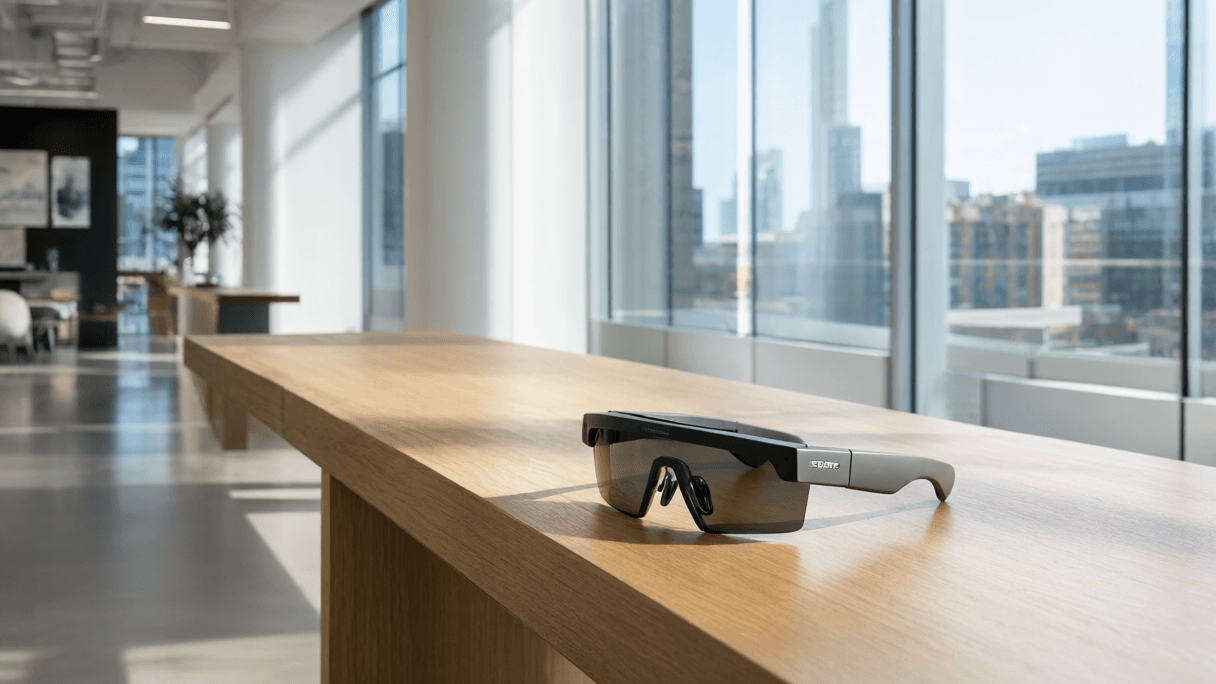
AI-generated image · US National Wire
Opinion: With incremental battery gains and the same aging cameras, Meta is asking for a premium on hardware that feels like a recycled Gen 2.
Let's be honest about the state of wearable tech: we are being sold the same overpriced hardware with a fresh coat of paint. Meta's latest offering, the Meta Glasses Nova (Gen 3), is a textbook example of how the industry has replaced genuine innovation with incremental tweaks.
As first reported by Wired, the Nova glasses—which retail for $299—boast a battery life of nine hours. While Meta might frame this as a victory, Wired points out that this is only one hour more than the previous generation. To call a single extra hour of power a "revolutionary" leap is a stretch that only a marketing department could justify.
It isn't just the battery. Wired reports that the Nova models feature the exact same 12-MP cameras capable of 3K video as the Gen 2 models. While the camera housing is smaller and might look like rivets from a distance, the actual technology is stagnant. We are seeing the same hardware rebranded for a new cycle, proving that Meta is more interested in refreshing its catalog than advancing the medium.
Then there is the software. Meta has added a dedicated button for its AI assistant, but as Wired notes, the current AI assistant remains "terrible." In one instance, the AI failed to identify the features of the very glasses the user was wearing, even after being shown a picture of the product page. While Meta promises the future integration of Muse AI later this year, consumers are currently paying for a system that struggles with basic complexity.
To make matters worse, the "innovation" is fragmented. Wired highlights a "Conversation Focus" mode designed to help hard-of-hearing users, but notes this feature is only available in early access for Oakley and Ray-Ban smart glasses—not the Meta-designed Nova frames. If you want the Ray-Ban-branded Gen 3 models, you'll pay even more, with prices starting at $499.
Meta will point to the improved six-mic system for better call quality, which Wired confirms works well to cull background noise. They will point to the slimmer fit and the dozens of color and frame combinations. But aesthetics aren't innovation. A lighter frame and a few more colors don't justify a hardware refresh when the core experience remains virtually unchanged from the last generation.
Ultimately, the Nova glasses are a reminder that the carriers of the tech world are happy to let us pay a premium for stagnation. As Wired suggests, users might be better off saving their cash and sticking with Gen 2, as both versions do essentially the same thing. Until Meta decides to deliver a leap in functionality rather than a slight bump in battery life, these glasses are less of a tech breakthrough and more of a fashion accessory with a very expensive price tag.