
The Great Disconnect: Why the 'Dumbphone' is a Consumer Cry for Help

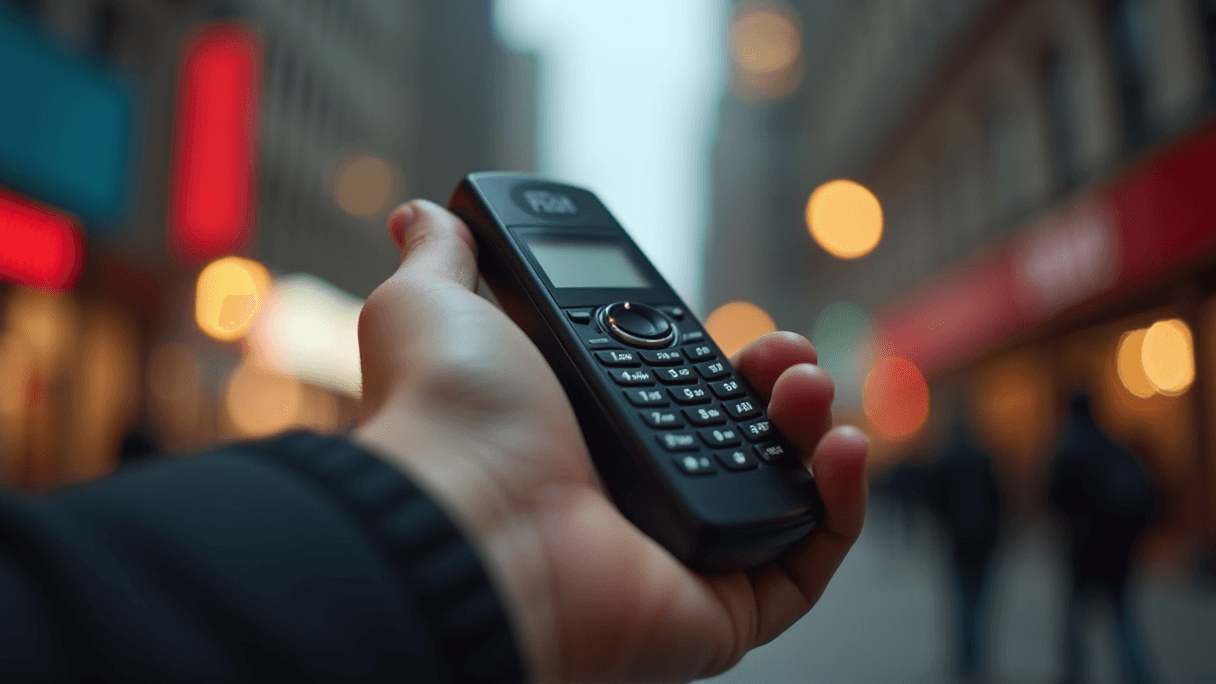
AI-generated image · US National Wire
As carriers push infinite connectivity, a new wave of users is paying to escape the digital noise through modified flip phones.
OPINION: For years, the telecom industry has sold us a dream of frictionless connectivity, but for many consumers, that dream has become a gilded cage. We are being milked for data and tethered to devices that demand our constant attention. Now, we are seeing a desperate counter-movement: the rise of the 'dumbphone.'
Reporting from TechCrunch reveals a growing cohort of people who are no longer interested in the 'plugged-in' life. This sentiment has coalesced around a community challenge called Month Offline, which encourages participants to swap their smartphones for flip phones. This movement has birthed a company called Dumb Co, led by founding CMO Lydia Peabody and communications director Afreka Ebanks.
Peabody, a former licensed therapist, describes her transition to a smartphone-free existence as breaking an addiction, comparing the experience to quitting Juul in college. According to TechCrunch, Peabody found that reducing her screen time eliminated a sense of feeling 'yucky' and anxious, eventually spending seven weeks without a smartphone, including a road trip to New Mexico.
What is most telling is the mechanism Dumb Co uses to lure people back to simplicity. They aren't selling a total blackout; they are selling a curated escape. Using a $20 TCL flip phone as a shell, Dumb Co installs proprietary software that allows users to keep essential tools—such as Uber, Spotify, Apple Music, WhatsApp, and even iMessage via a third-party app—while stripping away the addictive lures of social media and endless email.
This is a strategic middle ground. As Afreka Ebanks told TechCrunch, the goal is to allow users to leave their smartphones at home and engage with the physical world, while maintaining the option to use their primary device once they return. It is a recognition that the modern world is built for the smartphone, making total disconnection nearly impossible for the average worker who needs to check Slack or public transit schedules.
When we talk about 'needing' our phones for basic navigation or scheduling, we are admitting that the carriers and tech giants have successfully integrated themselves into our survival instincts. Peabody challenges this notion, suggesting that without a screen, people are forced to return to human interaction—asking a neighbor for the bus schedule rather than staring at a map.
The fact that people are now paying for the privilege of using clunky, T9-texting hardware is a searing indictment of the current connectivity landscape. Consumers aren't just buying a gadget; they are buying their autonomy back from an industry that has made 'always-on' the only acceptable setting.