
Apple's 10-Minute iPhone Gimmick: High-Speed Hype, Low-Sustained Infrastructure

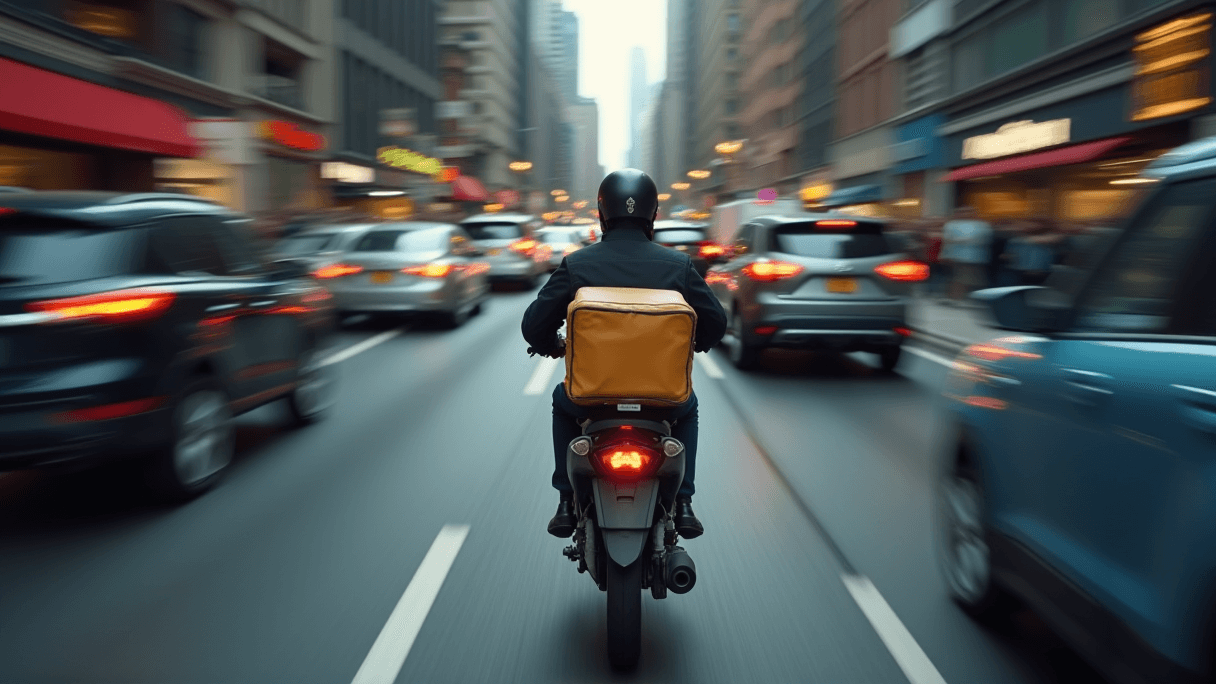
AI-generated image · US National Wire
The push to deliver the iPhone 18 Pro via quick-commerce apps in India prioritizes 'instant gratification' over reliable availability, leaving consumers with patchy service.
OPINION: Let's be clear—delivering a premium smartphone in ten minutes isn't a revolution in logistics; it's a marketing stunt. The push to use India's quick-commerce craze for the iPhone 18 Pro launch is a textbook example of prioritizing hype-driven speed over sustainable infrastructure. When you promise 'pizza-speed' delivery for a high-value electronic, you aren't improving the consumer experience—you're setting the stage for inevitable failure.
As TechCrunch first reported, the reality on the ground was far from seamless. While platforms like Blinkit, Zepto, BigBasket, and Swiggy’s Instamart offered the iPhone 18 Pro and Pro Max for delivery in roughly 10 minutes, TechCrunch found that within hours, availability became patchy, with models selling out in some locations while remaining available in others across cities like Bengaluru and Delhi.
This is the inherent flaw in the 'instant gratification' model. While BigBasket claimed to deliver over 300 units in the first hour, and Instamart noted that the Burgundy 256 GB iPhone 18 Pro was its most popular variant, these numbers are minuscule compared to total sales. Navkendar Singh, associate vice president at IDC, explicitly told TechCrunch that this is largely a “launch-day marketing phenomenon” designed to create “good noise” rather than serving as a significant sales channel.
Even the industry analysts are cautious. Tarun Pathak, research director at Counterpoint Research, told TechCrunch that while this serves as an “early proof of concept” for premium smartphones in major cities, the real question is whether this can ever translate into regular purchases.
For the consumer, the trade-off is simple: you trade the reliability of Apple’s authorized retailers and stores for a gamble on a delivery app. As the quick-commerce sector grows—reaching $9 billion in the first half of 2026 according to Redseer Strategy Consultants, with Google and Deloitte estimating a potential $50 billion market by 2030—the pressure to deliver non-food items like electronics (which may account for 45% of spending) will only increase. But until these platforms can guarantee consistent stock across a city, these 10-minute promises are nothing more than a fragile veneer of efficiency.