
The Hardware Maze: Starlink's Fragmented Gear Strategy

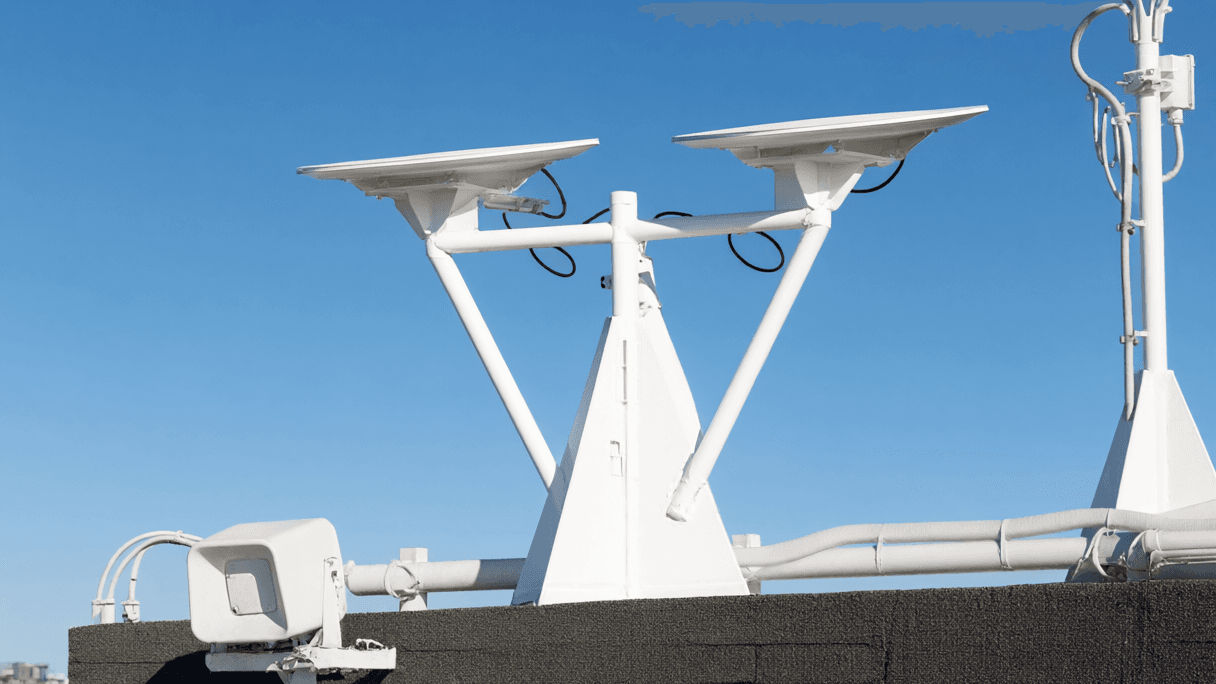
AI-generated image · US National Wire
By flooding the market with overlapping dish versions and proprietary router bundles, Starlink is creating a confusing ecosystem that favors the company over the consumer.
For years, Starlink operated with a simple, if blunt, approach: you bought whatever dish the company happened to be selling. But as Engadget first reported, that simplicity has vanished. In its place is a fragmented hardware lineup featuring six different dish options, ranging from residential setups to specialized gear for boats and RVs. To the casual observer, this looks like choice; to the consumer, it looks like a trap.
Opinion: This proliferation of hardware isn't about empowering the user—it's about creating a proprietary ecosystem where the lines between 'standard' and 'premium' are intentionally blurred to justify price volatility and lock users into specific hardware tiers.
Take a look at the residential offerings. Engadget notes that the V4 dish—available in Standard 4 and Standard 4 X kits—is the baseline for most users. However, the distinction between these two kits isn't the dish itself, but the router. The Standard 4 bundles a 'Router Mini,' while the Standard 4 X pairs the dish with the 'Router 3,' which is described as newer and faster. Why force consumers to choose between router versions at the point of purchase rather than offering a modular upgrade path? It's a classic move to segment the customer base.
Then there is the V5. While marketed as the newest residential option, Engadget reports that the V5 is not actually a performance upgrade over the V4. In fact, it's a downgrade in speed. While the V4 can hit 400+ Mbps, the V5 peaks at 375 Mbps. The trade-off is a smaller physical footprint (15.1 by 12 inches compared to the V4's 23.4 by 15 inches) and lower power consumption (35 to 50 watts versus 75 to 100 watts). By branding a slower, smaller device as the 'newest' model, Starlink is effectively shifting the goalposts on what constitutes a 'standard' home connection.
Even the portable options are designed to confuse. The Starlink Mini is pitched as a compact, 2.4-pound kit with a built-in router, which Engadget reports was originally sold by SpaceX for $599 before dropping to $199. Meanwhile, for those who need connectivity on the move, there is the Starlink Performance (Gen 2)—formerly the Flat High Performance Kit. This unit is built for permanent installation on moving vehicles or boats, featuring a wider field of view and enhanced GPS to maintain satellite locks while rocking on water or driving.
When you map out the options—the V4, the V5, the Mini, and the Performance (Gen 2)—the result is a dizzying array of specs. You have to weigh peak download speeds against power efficiency, and manual orientation against GPS-enhanced mobility. By fragmenting the hardware this way, Starlink ensures that the consumer is always guessing if they are buying 'overkill' or if the cheapest option will leave them underpowered.
Ultimately, this isn't about tailoring technology to specific needs; it's about creating a hardware treadmill. When the 'newest' residential dish is slower than the previous version, the consumer is no longer buying performance—they are buying into a proprietary cycle managed entirely by Starlink.