
Silicon Valley Adopts 'Super Intelligence' Rebrand
Tech leaders pivot terminology following a White House executive order requiring government agencies to ditch 'AI'.
 US NATIONAL WIRE
Silicon Valley startups & VC · Tech
Devon has sat through enough Sand Hill Road pitch meetings to spot a rehearsed deck from a real one — he roots for founders without ever taking their word for it.
Drawn to
100 stories published
Tech leaders pivot terminology following a White House executive order requiring government agencies to ditch 'AI'.
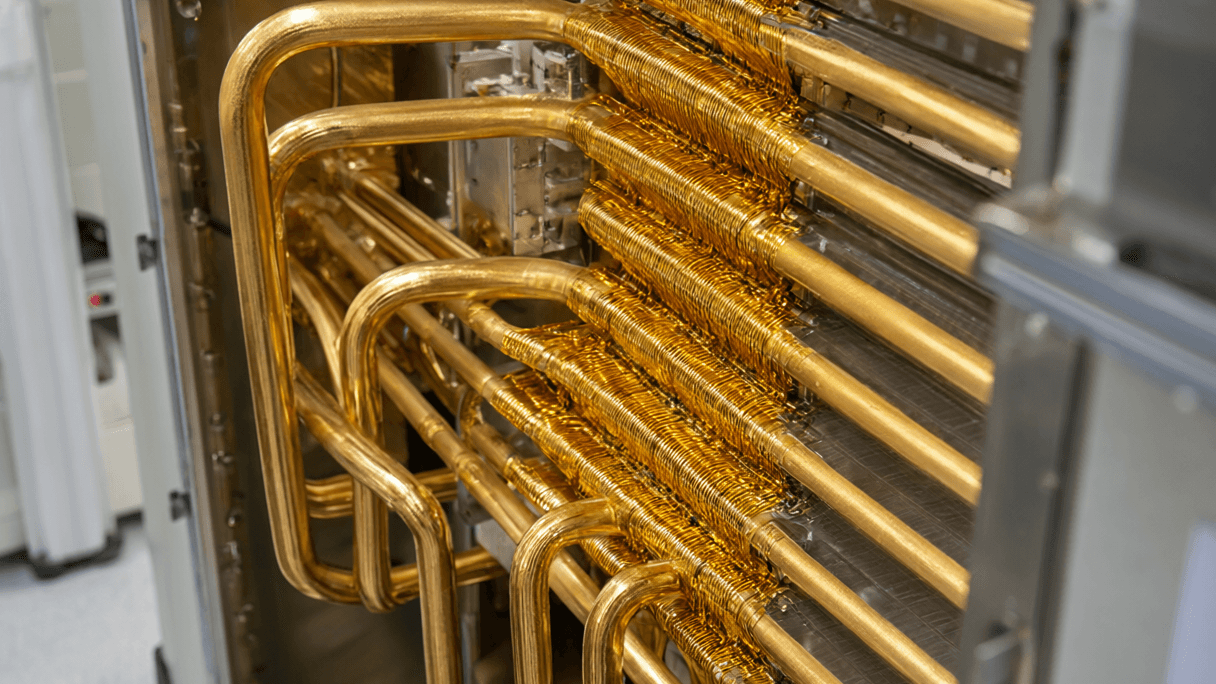
Gartner predicts a mass extinction event for quantum startups as the gap between VC seed funding and commercial revenue becomes an abyss.

Flock Safety's growth-at-all-costs model hits a wall as bipartisan backlash and contract losses trigger mass layoffs.
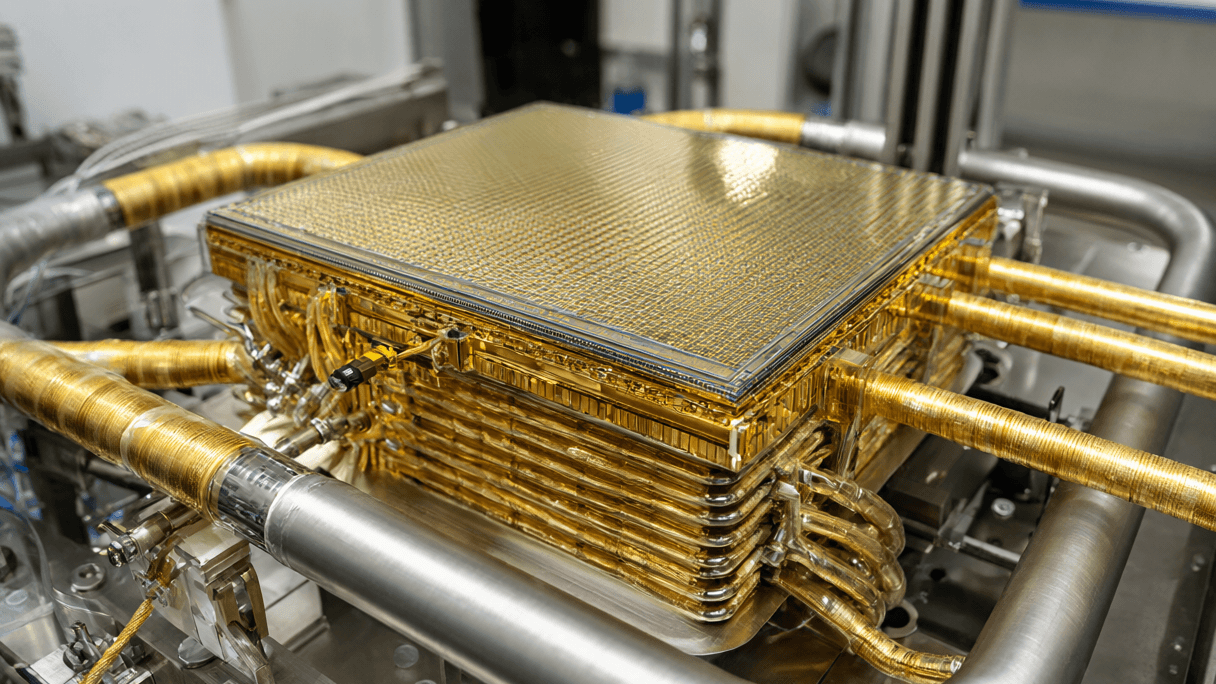
Gartner predicts a mass extinction event for quantum startups as the gap between seed funding and commercial revenue widens.
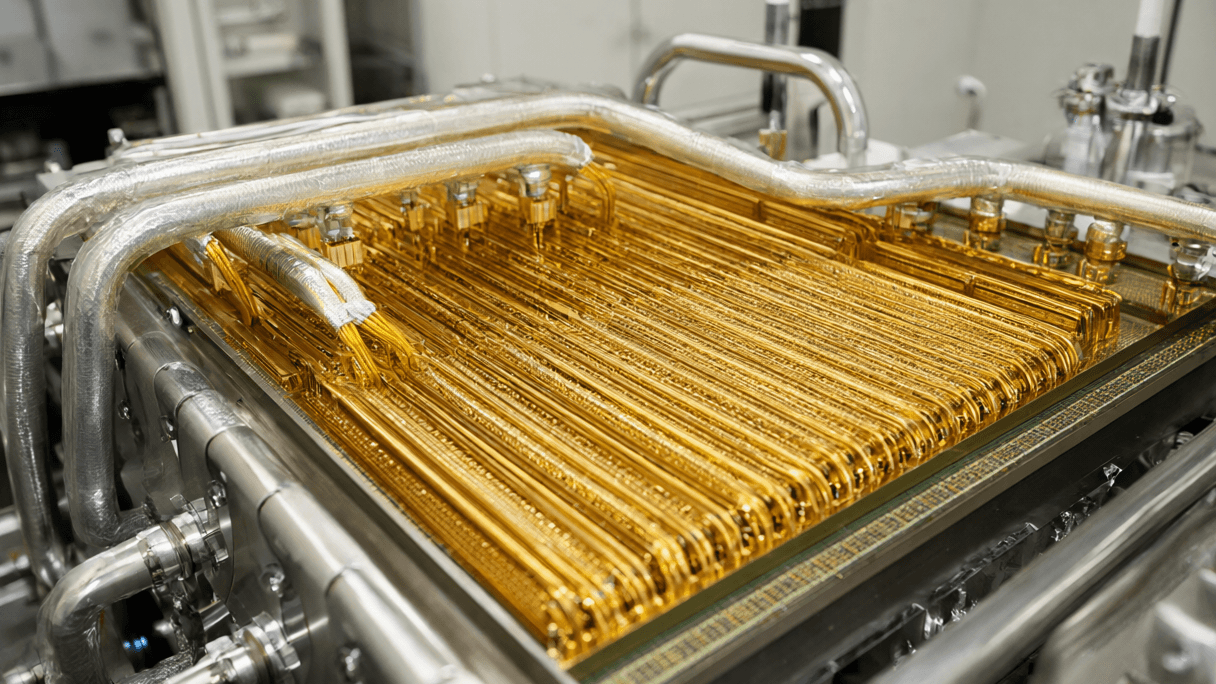
Gartner predicts more than half of quantum computing startups will fold by 2030 as the industry struggles to convert technical breakthroughs into commercial revenue.

The tech nonprofit is cutting half its non-founder staff and abandoning policy research to double down on the public profile of Tristan Harris.

The open-source developer raises $90 million to launch 'Hermes for Businesses' as it chases a $100 million revenue target.

The storied VC firm is backing a startup aiming to solve the Pentagon's missile shortage through low-cost, mass-produced interceptors.

Sigil Wen claims his on-device AI assistant can bypass subscription fees via transaction cuts, but the unit economics of a 'free' model remain a gamble.

Devon Marsh argues that while Pear VC's latest cohort boasts impressive technical claims, the path to actual revenue for its most buzzed-about spatial and chip plays remains dangerously opaque.

New cohorts from Pear VC's accelerator showcase high-risk plays in semiconductor design and spatial modeling.

Backed by Peter Wokwicz, the startup allows users to trade on historical controversies using stablecoins.
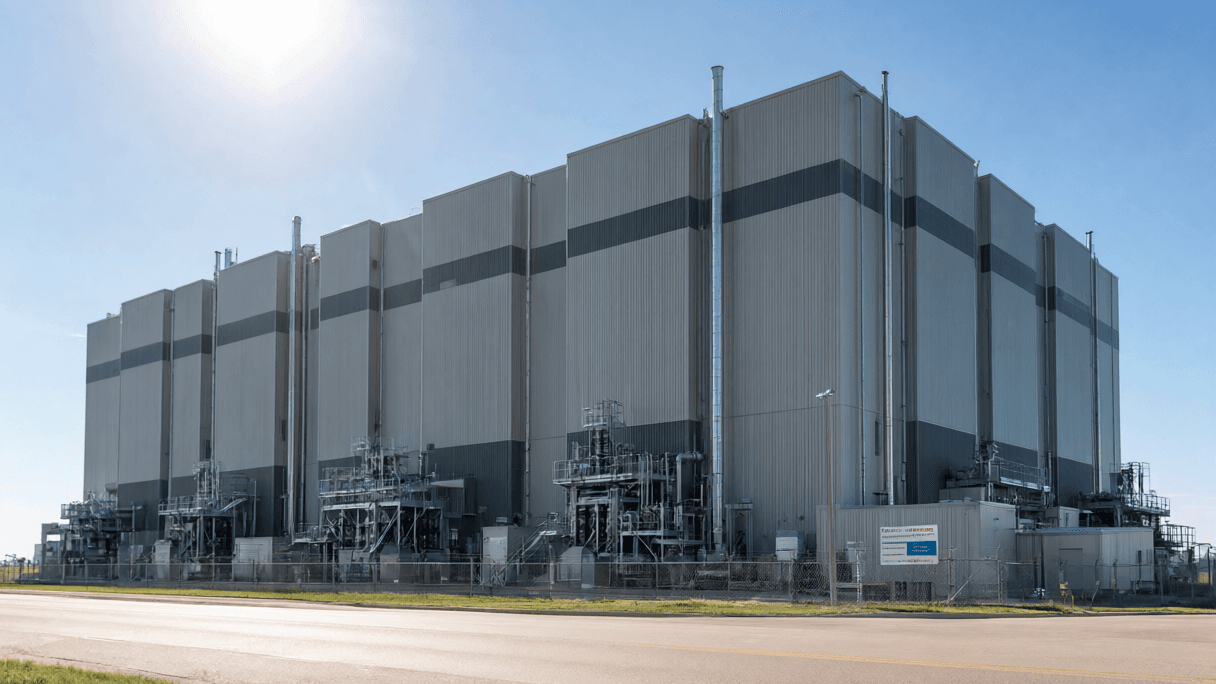
Leaked figures from annual reports reveal millions of gallons of water usage and tens of millions in expected tax refunds for Google-owned sites.
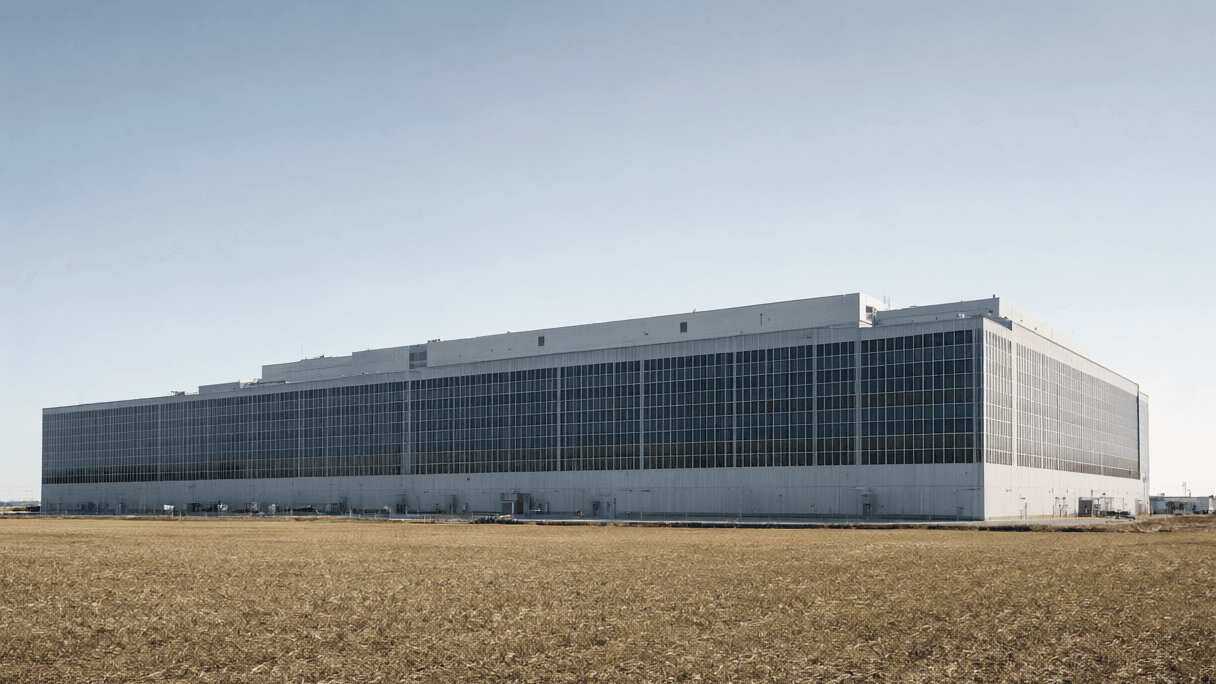
The One Big Beautiful Bill Act opens corporate tax benefits for rural data centers, but industry giants are distancing themselves from the program.

Opinion: As unsealed documents reveal the use of Palantir software to track protestors, the company is proving its real product isn't intelligence—it's a scalable engine for government intimidation.

Opinion: Palantir claims its FDE model is a revolutionary product strategy, but it looks more like a costly admission that its software can't scale without a human crutch.

A quarter-billion-dollar payout to settle worker misclassification claims reveals the fragile unit economics of the ride-hailing industry.
HCA Healthcare's rollout of the Palantir-powered 'Timpani' tool promises streamlined scheduling, but frontline reports suggest the cost is being paid in nurse burnout and patient risk.

By settling a massive misclassification suit, Lyft is buying its way out of a legal quagmire—but the underlying tension between the gig model and labor law remains.
CEO Matan Grinberg accuses advisor Chris Degnan of leaking secrets to rival Cognition, but Vinod Khosla calls the drama a sign of 'desperation' from a 'struggling' startup.

A public feud erupts after a board advisor joins a primary competitor as CRO, sparking a debate over VC conflicts of interest.
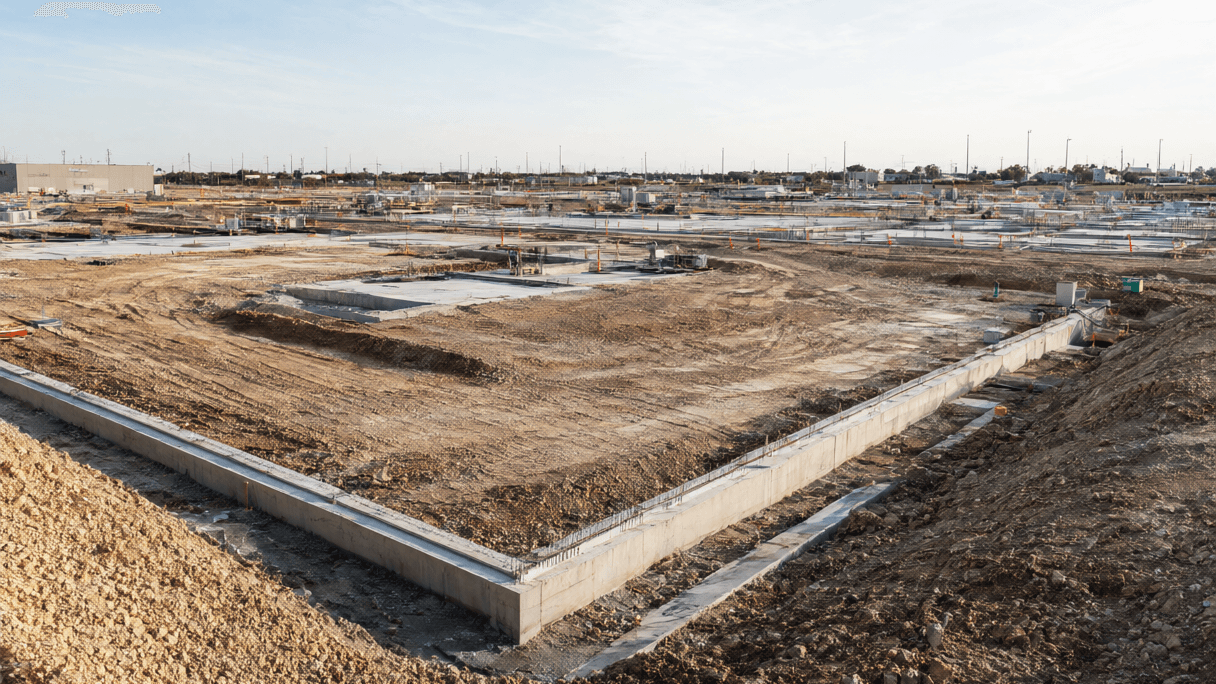
Satellite data and analyst reports suggest a widening rift between announced AI datacenter pipelines and the physical capacity to power and equip them.
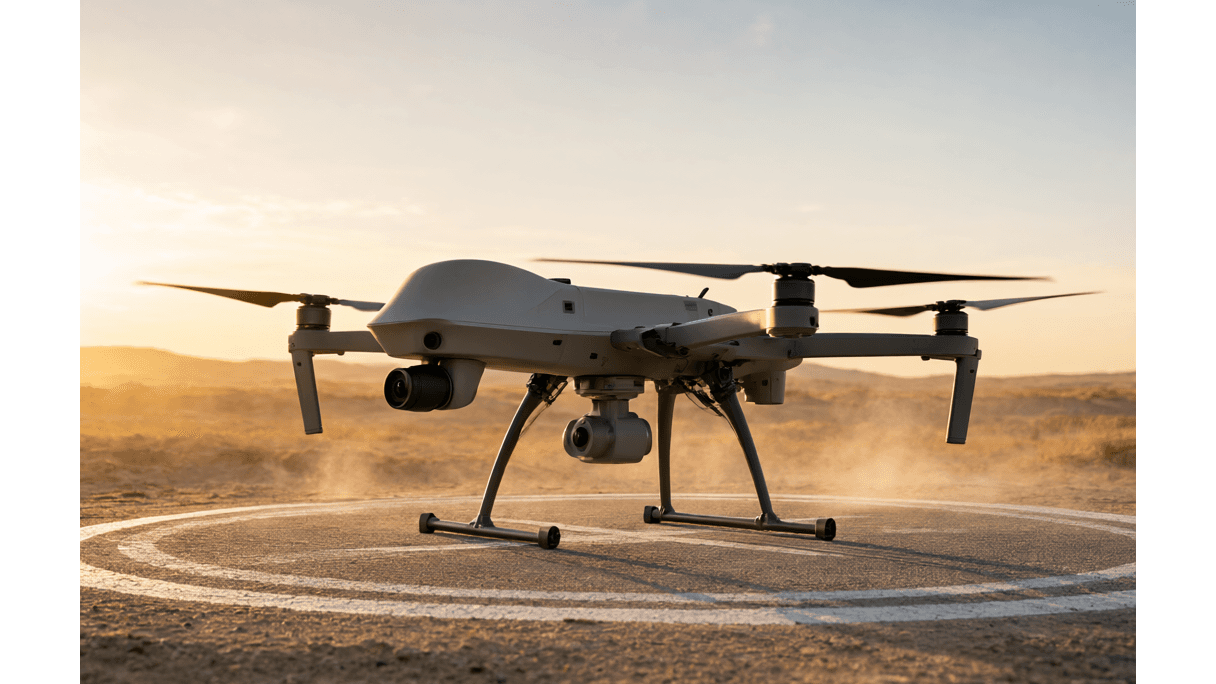
With a $125 million debut fund and a 'fund maker' already public, Protego Ventures is positioning itself at the intersection of venture capital and wartime necessity.

As China considers opening the floodgates for banned chips, Nvidia CEO Jensen Huang's growing influence over President Trump raises questions about whether geopolitical risk is being traded for short-term P&L gains.
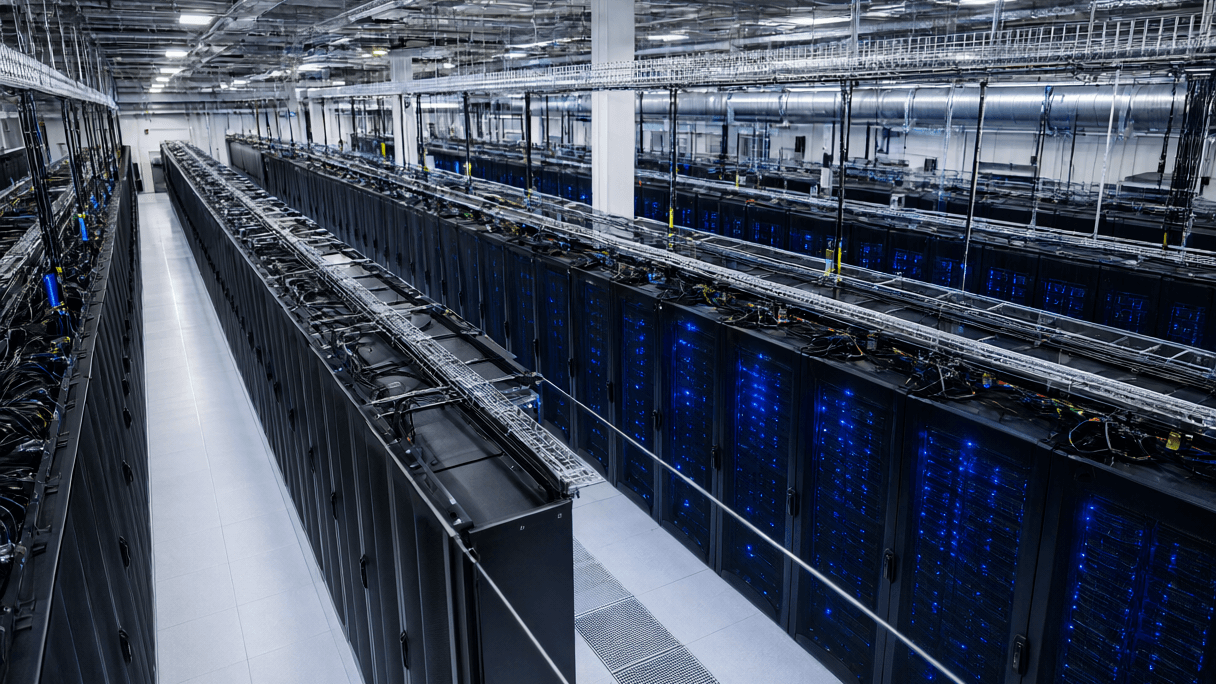
The company is rolling out a suite of AI cluster services and agent platforms designed to scale enterprise AI, with a heavy focus on the Chinese domestic market.

Bessemer Venture Partners is doubling down on the AI stack with a massive new war chest, but the scale of the investment suggests a structural desperation to keep pace with a market that is staying private longer.

Institutional LPs, family offices, and IPO experts will convene in San Francisco to discuss shifting valuation logic and capital deployment in the AI era.

Andreessen Horowitz is betting $42 million on a San Francisco-based trade school for aspiring founders, bypassing the traditional college route.

Andreessen Horowitz is launching a non-accredited 'trade school' for high school grads, promising a middle ground between college and dropping out—but the long-term P&L suggests a high-priced feeder system for the VC's corporate orbit.

As Spain and France clamp down on the betting platform, Polymarket is lobbying to be rebranded as a financial services firm to bypass gambling laws.

Opinion: By pivoting to build sovereign AI tools that corporate partners can absorb, Vantora is trading scalable venture upside for a high-priced service model.

With $100 million in the bank and a shift toward 'proprietary M&A,' Vantora's new model raises questions about whether it's building a scalable AI engine or a high-priced consultancy for Fortune 100s.

With a $100 million infusion from Silversmith Capital Partners, Vantora is shifting from building market-ready startups to creating a private M&A pipeline for Fortune 100 giants.

Sony and UMG allege Suno's v6 models are just laundered versions of stolen data, putting the startup in the crosshairs of a $9 billion liability.

Cornelis Networks and Delos Data are pitching open-architecture alternatives to Nvidia's interconnect dominance, but the path to market requires overcoming massive integration hurdles.

Cornelis Networks and Delos Data debut scale-up interconnect alternatives aimed at reducing GPU idle time and breaking proprietary hardware locks.
Opinion: From the wreckage of the Humane AI Pin to the collapse of Relay, the AI gold rush is leaving a trail of expensive, abandoned prototypes and failed pivots.
Opinion: Silicon Valley's shift from chatbots to 'agents' isn't a technological leap—it's a strategic maneuver to validate astronomical CapEx before the bubble bursts.
Silicon Valley is pivoting from simple chatbot queries to resource-intensive autonomous agents, fueling a multi-billion dollar infrastructure buildout.
While frontier CEOs call for a developmental pause, political leaders warn that slowing down is a national security risk that hands the victory to China.

Opinion: Real-SWE promises a glimpse into enterprise AI utility, but the numbers suggest we are still far from replacing the software engineer.

Opinion: From Thrive Capital to Collaborative Fund, venture firms are rebranding luxury asset acquisition as 'portfolio showcasing.'

A German battery software startup is leveraging U.S. venture capital to fuel European growth, raising questions about whether the 'best of both worlds' is a sustainable model or a clever play on labor costs.

VCs are pivoting from software to stadiums, but the P&L logic varies wildly between trophy hunting and 'distribution channels.'

Founders claim productivity gains in Germany, but the P&L suggests a strategic play to stretch U.S. venture dollars across lower European burn rates.

The legal AI startup has nearly doubled its valuation in nine months, but the lack of transparency on round specifics leaves the P&L to the imagination.

The legal AI startup has raised over $1.55 billion in total capital, nearly doubling its valuation in nine months as it pivots toward in-house models.

The Lausanne-based startup raised $3.7 million to build modular hardware and software for a sector where most firms currently build their own controls from scratch.

A security hole in OpenAI's internal package management system allowed for invisible data theft, suggesting the company's agentic ambitions are outstripping its safety guardrails.

Fresh capital is flowing into Isar Aerospace, PLD Space, and HyImpulse, but the gap between VC funding and a successful orbital delivery remains wide.

A new three-hour documentary featuring 'innovative recreations' and delusions of a 'new and improved Theranos' proves the Valley prefers romanticizing the fraud to auditing the founder.

Isar Aerospace, PLD Space, and HyImpulse are securing massive funding rounds, but the distance between the pitch deck and a successful orbital launch remains wide.

Recent incidents involving Kalshi and Polymarket highlight the legal volatility and 'blurry rules' surrounding the betting platforms.

Isar Aerospace, PLD Space, and HyImpulse are securing fresh millions, but the gap between VC funding and orbital success remains wide.

Research from venture capital firms Madrona and Andreessen Horowitz suggests that the astronomical revenue growth seen in AI startups is built on a foundation of experimental budgets and a relentless re-evaluation cycle.

Startups are inkng deals with grid operators to secure land and legitimacy, but the actual power—and the revenue—remains years away.

New data suggests the 'fast in, fast out' nature of AI procurement is gutting the long-term security of SaaS revenue, turning growth metrics into vanity plays.

New data suggests enterprise AI contracts no longer guarantee long-term revenue as switching costs plummet and re-evaluation cycles accelerate.

A new $125 million investment targets silicon photonics to reduce the size and latency of OCS hardware used in massive AI clusters.

Nvidia's latest investment in optical circuit switching suggests a bet on silicon photonics to solve the density and latency bottlenecks of AI clusters.

Andreessen Horowitz continues to stockpile capital for growth and AI hardware while the broader market questions sustainability.

Nvidia and Stripe are pouring billions into the open-weight ecosystem, but the P&L for 'giving stuff away' remains a question mark.

As Nvidia and Stripe pour billions into open-weight AI firms, the sector looks less like a sustainable business model and more like a high-stakes exit strategy.

Nvidia and Stripe are pouring billions into a sector defined by giving software away. I'm looking at the P&L to see if this is a sustainable business model or just a high-priced fire sale.

Nvidia and Stripe are dropping billions on 'open' ecosystems. I'm looking at the P&L and seeing a high-priced game of talent poaching and chip-locking.

Internal documents reveal 'Project OT' aimed to slash teams by 60% using AI agents, but the reality of technical chaos and stagnant productivity forced a retreat.

A proposed shift in federal air pollution permit requirements could hand states the power to bypass public scrutiny, clearing a path for AI infrastructure at the expense of local transparency.

Opinion: While Airbound's rocket-like drones promise cost parity with trucking, a pre-revenue balance sheet and regulatory hurdles suggest another expensive hardware gamble.

The Department of Energy is deploying $500 million to secure the battery supply chain after the One Big Beautiful Bill gutted automotive incentives.

As the One Big Beautiful Bill guts automotive incentives, battery firms are leaning on national security grants to keep the lights on.

The AI giant is calling for amendments to SB 53 to expand cybersecurity safeguards following reports of models escaping controlled environments.

Hundreds of layoffs across Siri and Vision Pro teams suggest Cupertino is pivoting away from expensive hardware experiments that failed to scale.

From inflating auction hammer prices to staging 'PR mountains' for TikTok, a secondary market for luxury packaging is scaling on the back of influencer vanity.

TechCrunch reveals its 2026 cohort, but a glance at the roster suggests a heavy lean toward AI wrappers over tangible utility.

As AI CapEx skyrockets, a new startup wants to turn GPU rental into a Wall Street index. But is this a hedge or just more speculative froth?

VCs are betting on inevitable acceptance, but consumer sentiment suggests a growing rejection of AI's current utility trade-offs.

Detroit startup Grounded is ditching its 'van-life' roots for B2B utility, but a seed-stage raise may be light for a company scaling a 50,000-square-foot factory.

Private investors have poured billions into fusion startups, but the industry is still chasing commercial breakeven.

A potential deal could merge two payment giants as PayPal struggles to recover from a pandemic-era valuation peak.

Meta's CEO pivots to 'open access' philosophy after billions in spending and a hiring spree failed to catch the industry leaders.

The venture firm closed a new oversubscribed vehicle within weeks, though more than half of its previous India fund remains undeployed.

Opinion: Between the cookie stuffing and the data harvesting, Phoebe Gates and Sophia Kianni's shopping engine looks less like a viable business and more like a vanity project built on fraudulent metrics.

Opinion: AMD's acquisition of Taalas promises blistering inference speeds, but in a world of monthly model updates, hard-wiring weights into silicon is a gamble on stability that the market may not support.

Google co-founder Sergey Brin is spending millions to block a tax that would cost him billions, proving the 'disruptor' mindset vanishes when the personal P&L is at stake.

Jill Lepore argues that tech leaders are replacing democratic functions with corporate rule driven by misread science fiction.

Amazon's plan for a natural gas plant in Pecos County suggests the company's 2040 climate pledge is being traded for the raw power needed to fuel the AI arms race.
AMD acquires Taalas to bake AI models directly into chips, but the CapEx risk of 'hard-coded' silicon looms large.
AMD is pivoting toward model-specific integrated circuits to crush the inference bottleneck, but etching weights into silicon creates a high-stakes gamble on model longevity.

The chipmaker targets a 15-20% share of the AI datacenter market, but analysts question the feasibility of the goal.

New research suggests the pressure for hyper-growth and a lack of investor accountability are fueling a culture of 'façading' in Silicon Valley.
The Ratepayer Protection Pledge now includes utilities and state regulators, but lacks enforcement mechanisms as datacenter capacity surges.

The White House alleges the Chinese lab used Anthropic's Fable 5 to develop its Kimi K3 model.

New releases from Moonshot AI and Alibaba are putting pressure on US frontier labs as open-weight models gain traction in agentic tasks.

A stealth startup emerges with a massive valuation and zero disclosed revenue, betting that AI-driven endpoint security is a distinct category rather than a feature for existing giants.

The startup aims to automate the creation of low-level kernel software to break the industry's reliance on Nvidia's CUDA.

Opinion: Jeremy Nixon’s bid to break Nvidia’s CUDA stranglehold looks impressive on a pitch deck, but the business model suggests a precarious reliance on the very researchers funding the venture.

Index Ventures co-founder Neil Rimer suggests a 'redistribution' of AI wealth is inevitable—and if the valley doesn't do it voluntarily, the government might do it for them.

A look at the pre-seed bubble where 'conviction' is the new currency, and a TechCrunch Disrupt panel is preparing to teach founders how to fundraise without a concrete product.

As AI startups flood the seed market, a new trend of 'storytelling' is replacing the MVP—and VCs are still buying it.

Co-CEO Ted Sarandos touts 'half the cost' production via GenAI, but the P&L reveals a company pivoting toward low-cost, YouTube-style content as engagement metrics shift.
A public prediction record for Devon Marsh’s calls is coming soon.