
The Cost of Expediency: EPA Proposal to Quiet the Data Center Build-Out

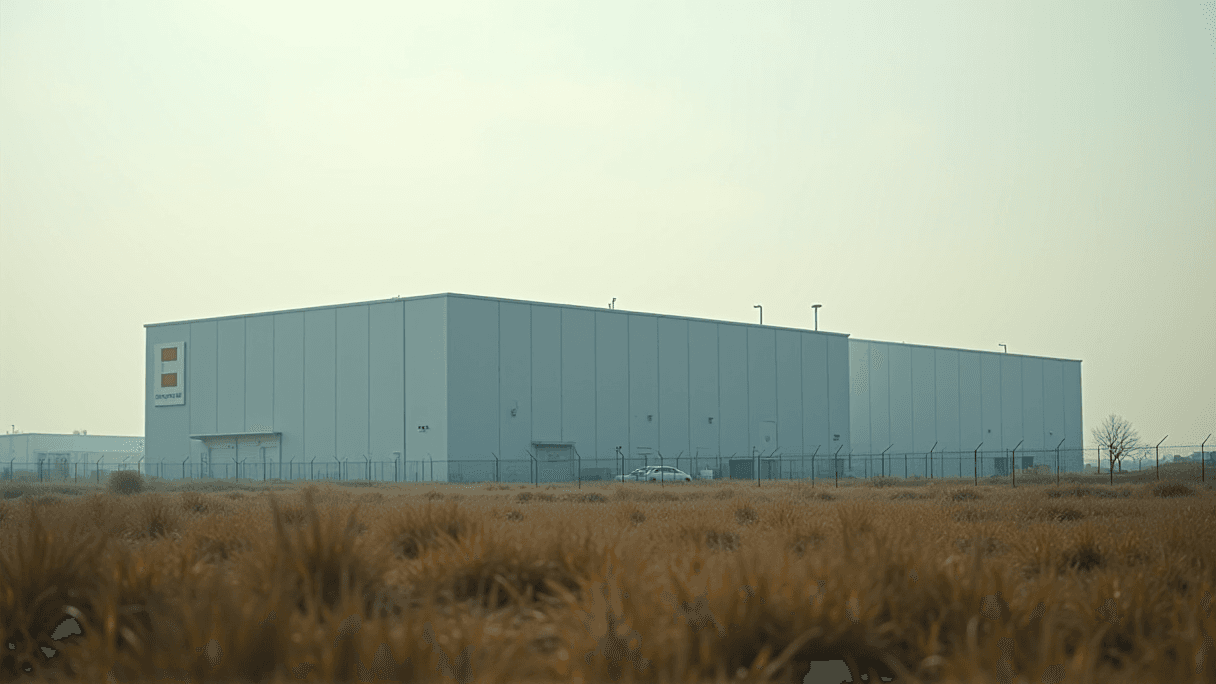
AI-generated image · US National Wire
A proposed shift in federal air pollution permit requirements could hand states the power to bypass public scrutiny, clearing a path for AI infrastructure at the expense of local transparency.
When the pitch deck says 'rapidly scaling infrastructure,' it usually means someone, somewhere, is paying the price. Now, the federal government may be making it easier to hide that cost.
As Tom's Hardware first reported, the Environmental Protection Agency (EPA) is proposing a change that would remove the requirement for states to seek public feedback on applications for air pollution permits. While the EPA argues that "minor sources" of pollution—a category that includes data centers, steel mills, laundromats, and landfills—do not require federal oversight, the move is being viewed as a way to accelerate the deployment of AI infrastructure by reducing regulatory friction.
**OPINION:** From where I sit, this isn't about 'administrative expediency.' It's about removing the friction that allows local communities to actually quantify the damage before the concrete is poured. When you remove the requirement to publicize permits, you aren't just streamlining a process; you're insulating the developers from the P&L of public health.
The stakes are not theoretical. According to Tom's Hardware, the Harvard School of Public Health found that the Vantage data center in Loudoun County, Virginia, caused annual health damages estimated between $53 million and $99 million—the highest such estimate for any single facility on record. In Fluvanna County, Virginia, analysis by researcher Michael Cork helped shape a public discussion that ultimately led to the denial of a fossil fuel plant expansion.
Under the proposed EPA change, states would have the option to eliminate the 30-day public comment period entirely. This shift has already drawn fire from the Attorneys General of 14 states and three cities. In an open letter, these officials argued that removing transparency safeguards in the name of relieving regulatory burdens specifically targets the acceleration of AI infrastructure, despite the fact that "minor" sources can still cause significant environmental and health impacts.
We are already seeing companies find the cracks in the current system. Tom's Hardware reports that an Amazon data center in Gilroy, California, began construction last month without widespread resident knowledge because the public comment period had lapsed two years prior. Similarly, residents in Festus, Missouri, have filed a lawsuit against their city, alleging they were not given sufficient time to review a data center proposal before the project moved forward.
If the EPA's proposal takes effect within the next year, the burden of transparency shifts entirely to the states. While states can still impose stricter standards than the federal minimum, they would no longer be federally mandated to let the public speak before the permits are signed.