
The Cost of Doing Business: Lyft's $272.5 Million Settlement is a Late-Stage Labor Tax

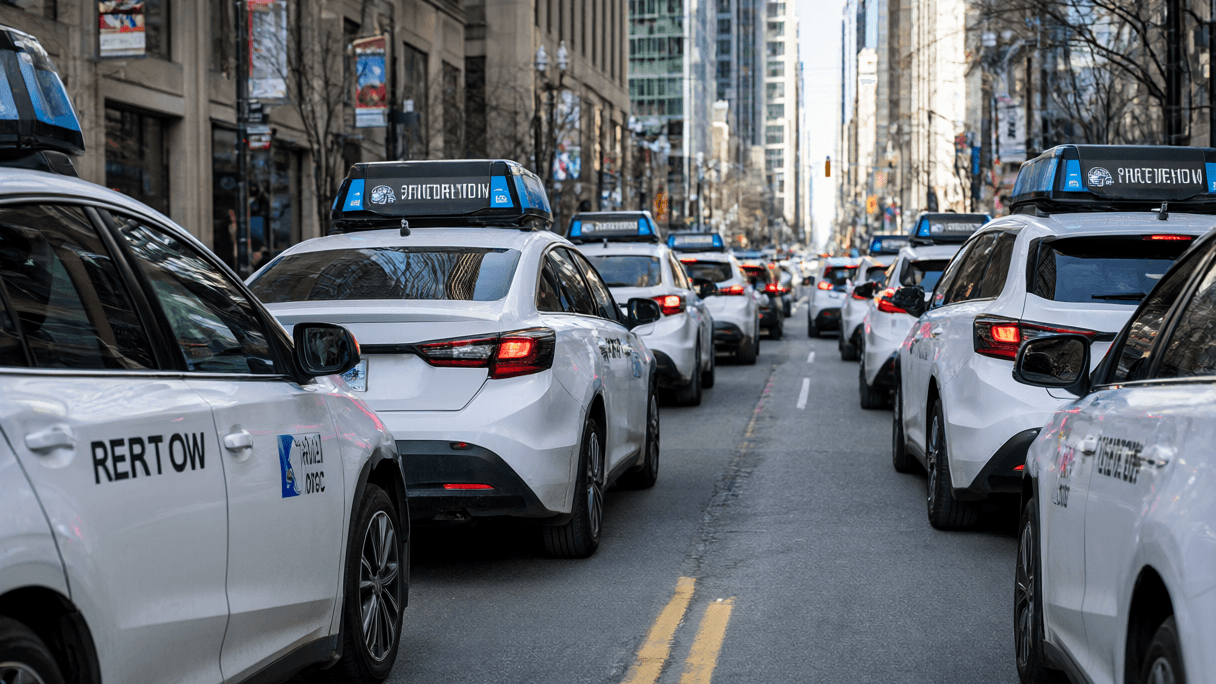
AI-generated image · US National Wire
By settling a massive misclassification suit, Lyft is buying its way out of a legal quagmire—but the underlying tension between the gig model and labor law remains.
In the world of venture-backed scaling, there is a fine line between 'disrupting an industry' and simply ignoring the law until the bill comes due. For Lyft, that bill has arrived in the form of a $272.5 million settlement.
As TechCrunch first reported, Lyft has agreed to pay this sum to resolve a lawsuit that accused the company of violating California law by misclassifying its drivers as independent contractors rather than employees. To the casual observer, this looks like a corporate victory—a way to close a legal chapter and move on. But to anyone tracking the P&L of the gig economy, this isn't a settlement; it's a late-stage tax on a business model that has historically relied on the avoidance of employee benefits to maintain its margins.
**Opinion: The Math of Misclassification**
From my perspective, this payout is the inevitable conclusion of a strategy that bet on legal ambiguity over sustainable labor practices. For years, the ride-hailing sector has operated on the premise that the 'flexibility' of the gig economy justifies the absence of a social safety net. When you strip away the marketing, the core value proposition of the contractor model is the offloading of operational costs—minimum wage, overtime, sick leave, and workers' compensation—from the company's balance sheet onto the worker.
Lyft is now paying for the privilege of having operated this way during a period of intense regulatory volatility. The settlement covers alleged violations occurring between April 6, 2016, and December 15, 2020. This was a window where the state of California was actively grappling with the status of gig workers, culminating in the passage of Assembly Bill 5 in 2019. AB 5 was designed to force companies like Lyft, Uber, and DoorDash to classify workers as employees, granting them the protections and benefits that the lawsuit alleged Lyft denied its drivers.
**The Regulatory Shell Game**
As TechCrunch reports, the legal battle was not a simple bilateral dispute. It involved a coordinated effort in San Francisco Superior Court starting in September 2021, bringing together the California Labor Commissioner’s Office (LCO), the California Attorney General, and the City Attorneys of San Francisco, San Diego, and Los Angeles, alongside private actions filed under California’s Private Attorneys General Act.
Lyft’s defense—and the defense of the broader industry—was essentially a gamble on the democratic process. While the state legislature passed AB 5, the companies fought back via the ballot box. In 2020, voters passed Proposition 22, which created a specific carve-out for app-based transportation services, allowing drivers to remain classified as contractors.
While Proposition 22 may have secured the model's future, it did not erase the alleged sins of the past. The LCO's lawsuit, filed in August 2020, focused on the period when the company allegedly treated drivers as contractors despite state law requiring employee status. California Labor Commissioner Lilia García-Brower stated that the settlement is a result of workers who spoke up, and noted that the LCO will forgo its share of the funds to ensure they are directed to the drivers who filed wage claims.
**The 'Distraction' Discount**
In a regulatory filing, Lyft framed the settlement as a strategic move to avoid the "costs and distraction of protracted litigation," claiming it allows management to stay focused on "executing its business objectives."
This is classic corporate speak for 'the settlement is cheaper than the alternative.' When a company views the denial of minimum wage and sick leave as a 'distraction' to be managed via a check, it reveals a fundamental disconnect between the company's growth objectives and the human capital that powers its app. By paying $272.5 million, Lyft isn't admitting a failure of the model; it is simply pricing the cost of its previous labor strategy into its current operating expenses.
**The Uber Shadow**
It is also worth noting that while Lyft is attempting to clear its books, the industry's systemic risk remains. TechCrunch reports that Uber still faces a lawsuit from the LCO involving similar allegations of misclassification.
For the VCs and executives steering these ships, the lesson here is clear: the 'gig' loophole is a powerful tool for early-stage scaling, but it creates a massive contingent liability. Lyft's quarter-billion-dollar payout is a reminder that in the eyes of the law, 'disruption' is not a valid excuse for wage theft or the evasion of employee protections. The company has bought its peace for now, but the tension between the P&L and the payroll will always be the ghost in the machine for the ride-hailing industry.