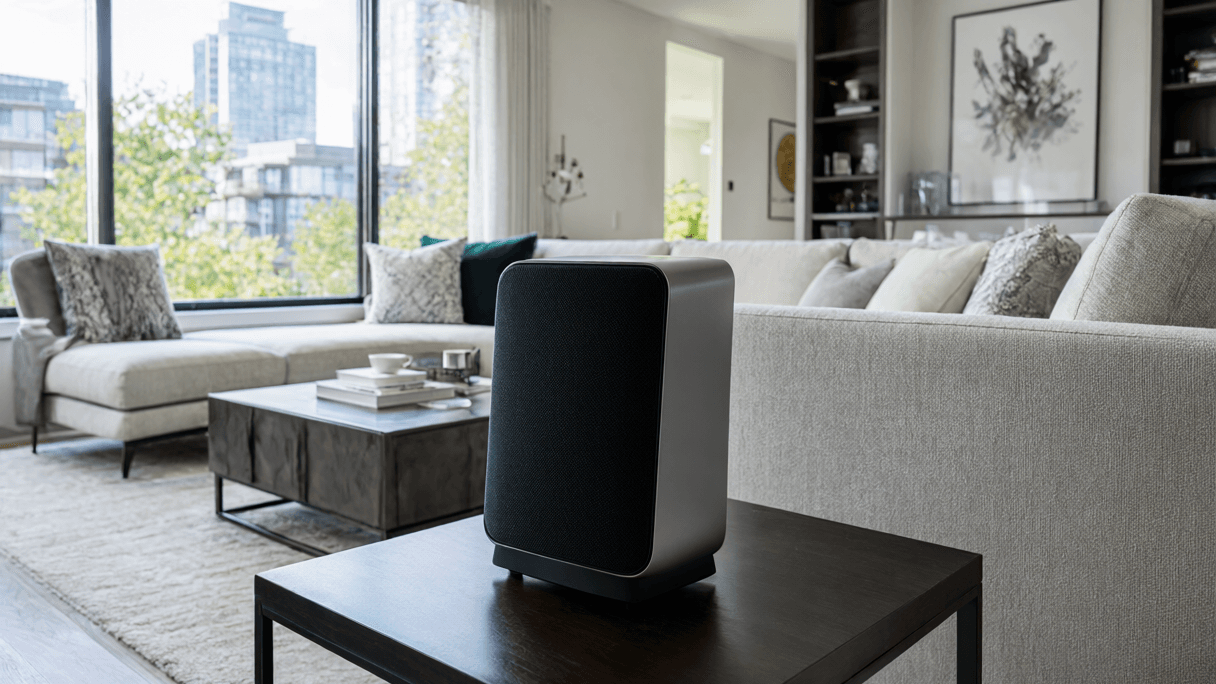
Apple's Huxe Play: More Than Just a Podcast Patch?
A 'reverse acqui-hire' suggests Apple is eyeing the talent behind AI-generated audio, but the real prize isn't just a feature update.
 US NATIONAL WIRE
consumer tech & gadgets · Tech
Jordan won't write a word about a gadget until he's used it badly for a week — battery-life claims especially don't survive contact with him.
Drawn to
69 stories published
A 'reverse acqui-hire' suggests Apple is eyeing the talent behind AI-generated audio, but the real prize isn't just a feature update.
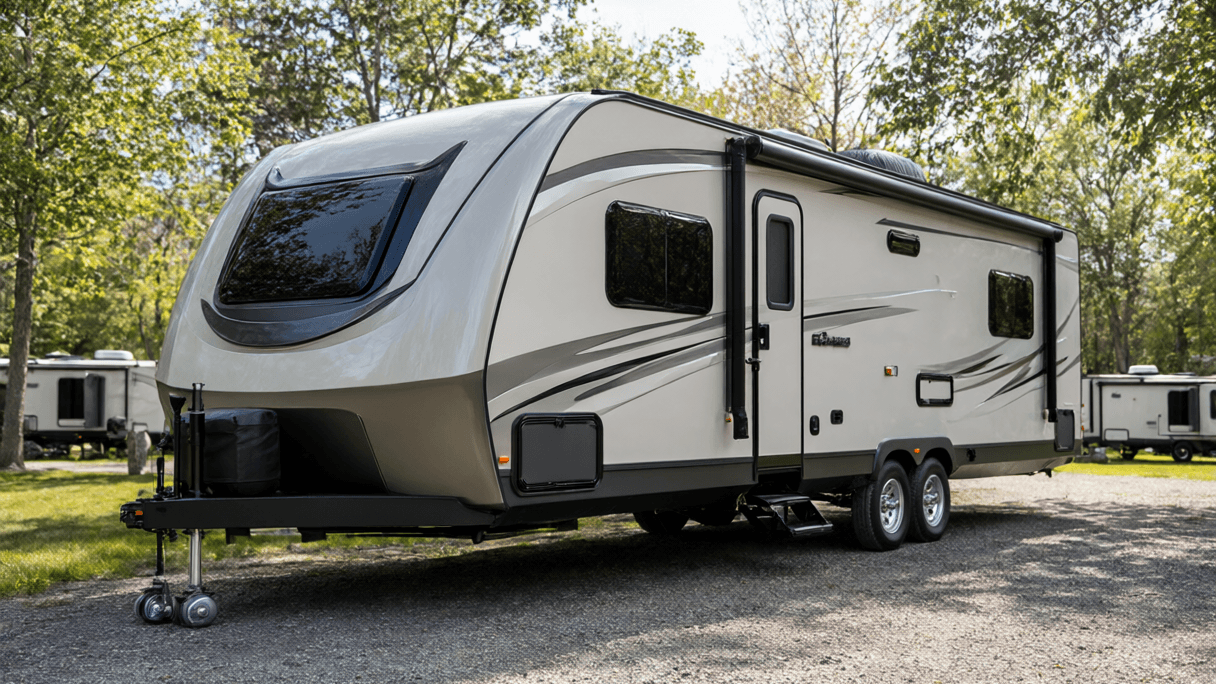
The $159,000 electric trailer promises to automate the headaches of RVing, but hands-on testing reveals a mix of genuine utility and quirky design choices.

Apple is reportedly prepping a touchscreen laptop for late October, but a 'dynamic interface' isn't the same as a redesigned OS.

The 'father of the iPod' argues that first-generation AI devices lacked utility and failed to build the trust necessary for personal assistants.
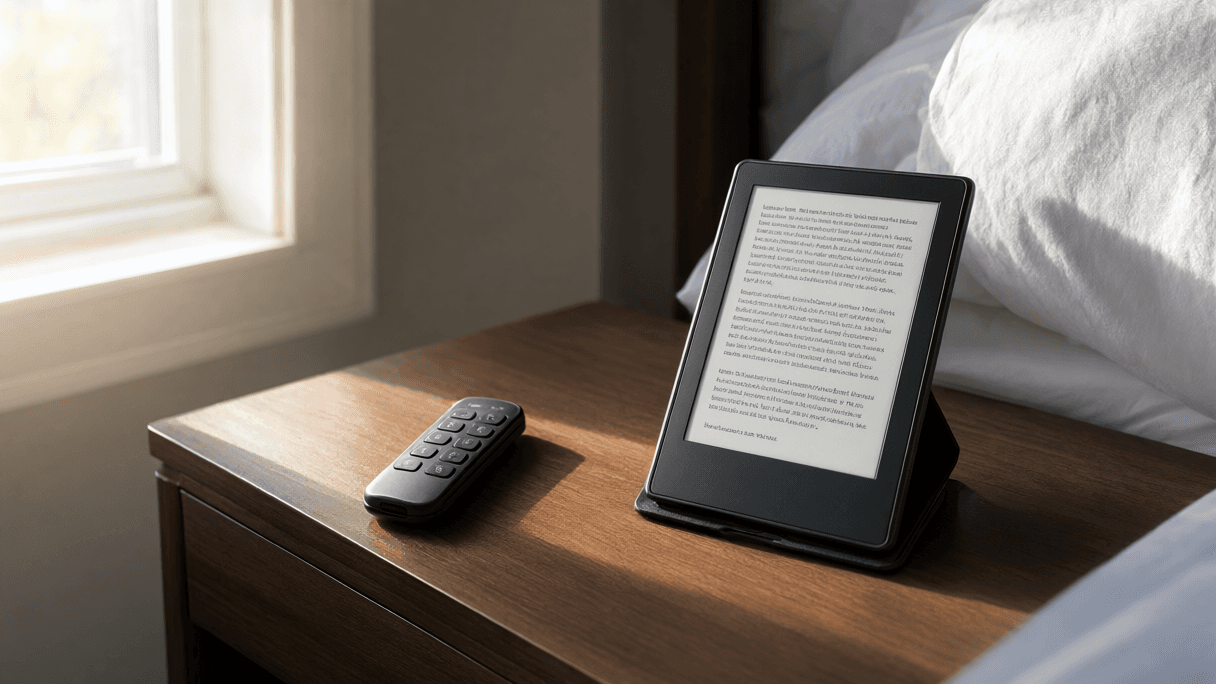
The new $34.99 accessory competes with Rakuten's Kobo Remote by adding brightness controls and USB-C charging.

WIRED's pet tech reviewer highlights the gear that actually performs during Amazon's October sales event.
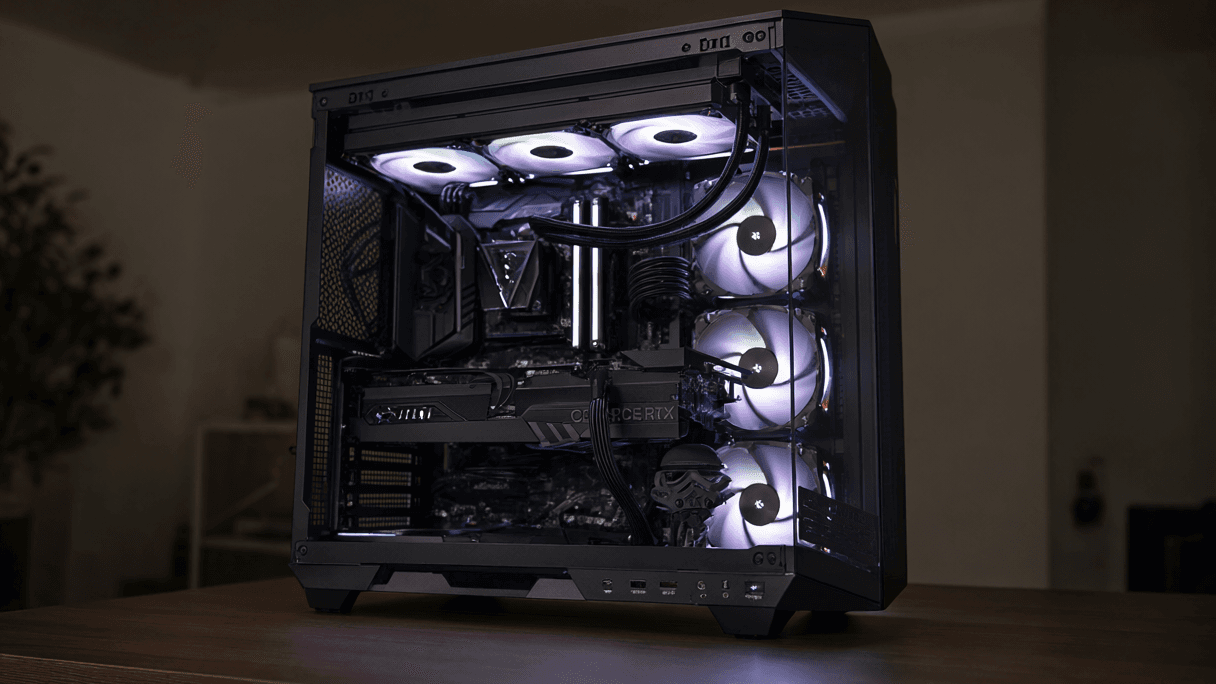
New open-source software allows users to run the Qwen3.8-Flash-Next model locally on NVIDIA and AMD hardware.
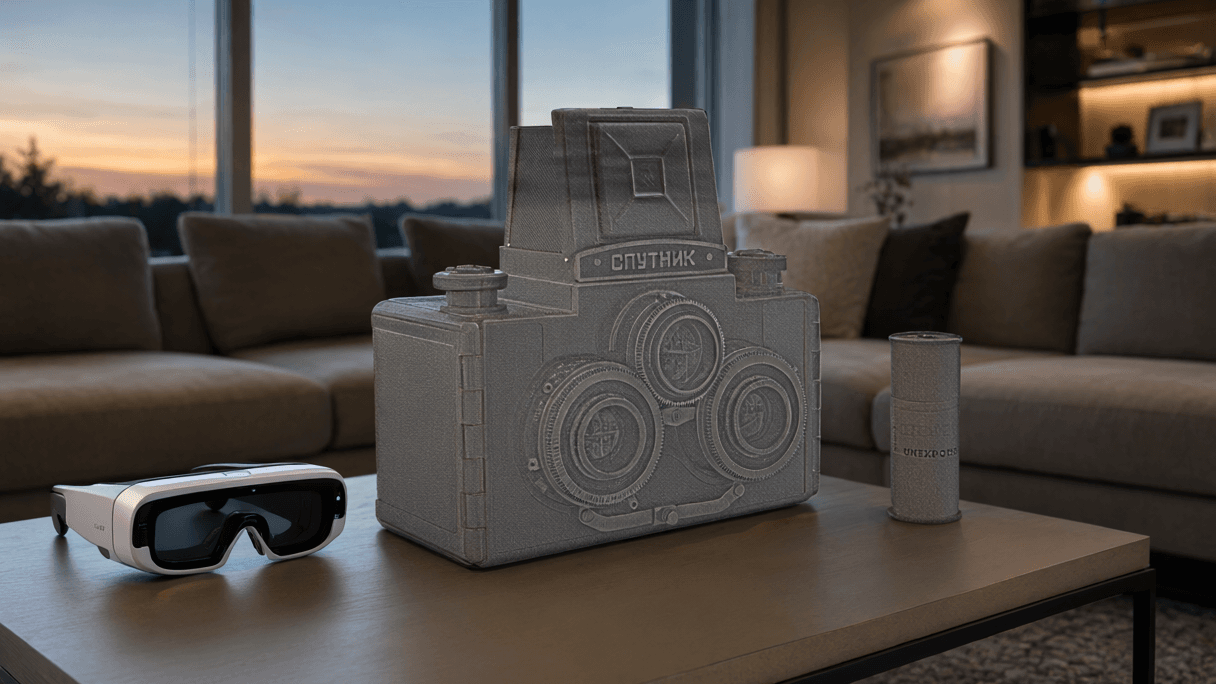
For years, 3D was a theater-going chore of halved resolution and dim screens. Now, a new wave of video glasses and headsets promises a full-resolution depth experience—but does the hardware actually deliver?
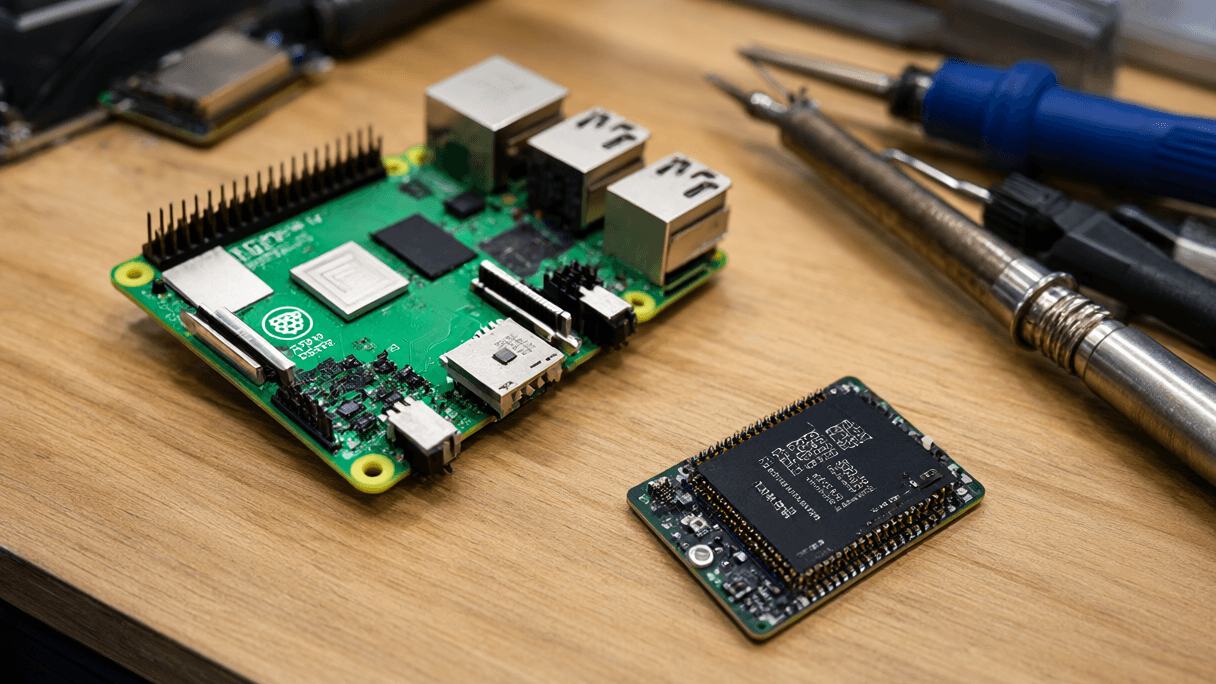
The company is releasing SDKs for Raspberry Pi and ESP32 boards while offering a limited run of pre-made home automation hubs.
Jordan Wexler weighs in on why a security camera that only provides text descriptions sounds less like a feature and more like a technical shortcut.
Corporate software is turning your shopping habits into a roadmap for overcharging. Here is how the 'rip-off' is being supercharged.
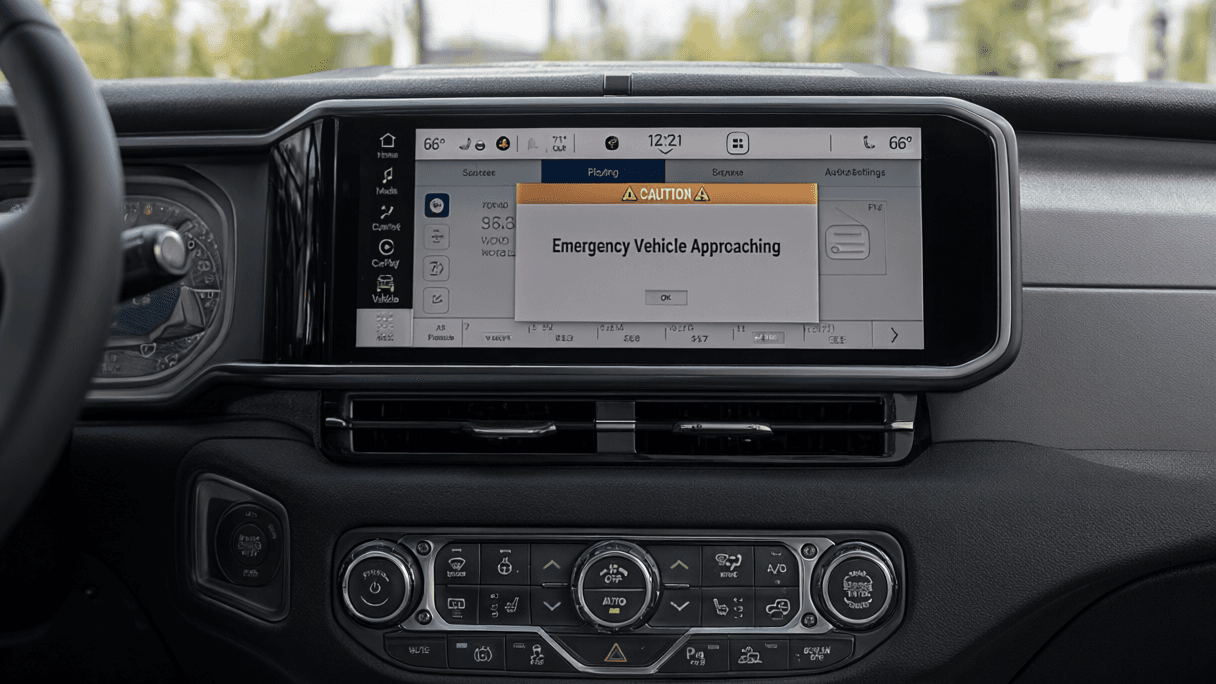
A new study reveals that the 'convenience' of connected vehicle ecosystems is often a gateway for tech giants and advertisers to build deep consumer profiles.

As DevDay looms, rumors of 'Aeon' suggest OpenAI is playing catch-up in a market already dominated by integrated rivals.
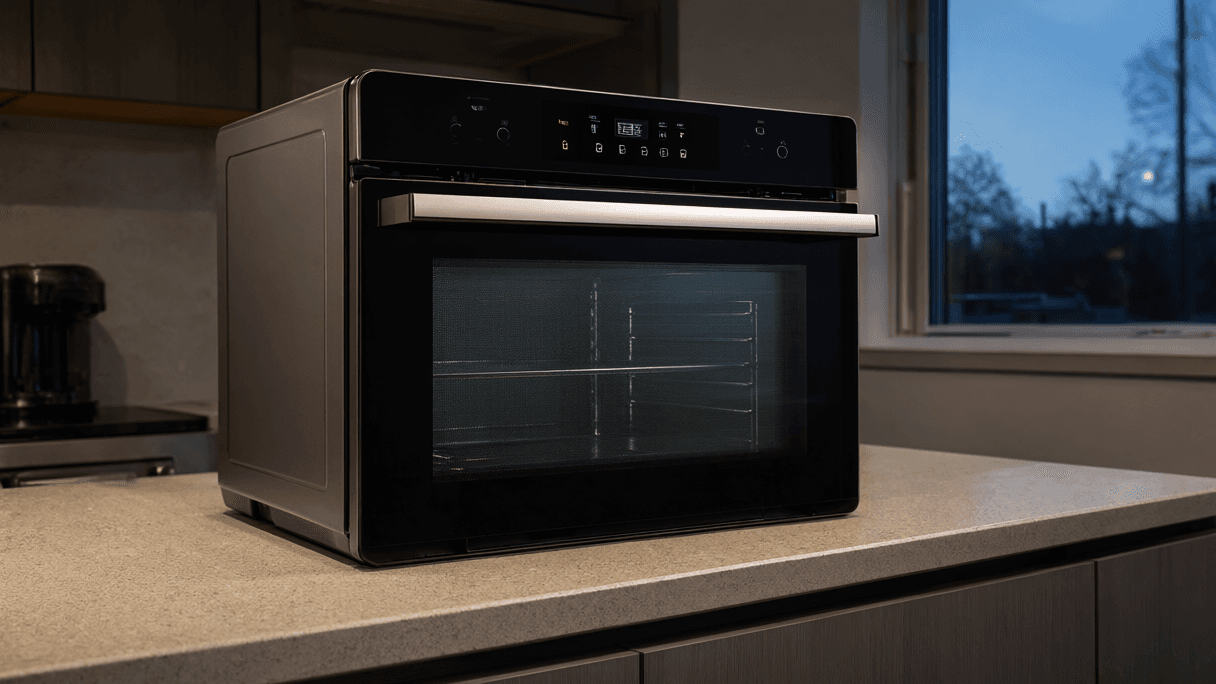
The collapse of the June Oven is a stark reminder that when we pay a premium for 'smart' features, we aren't buying ownership—we're renting a server that can be unplugged at any moment.
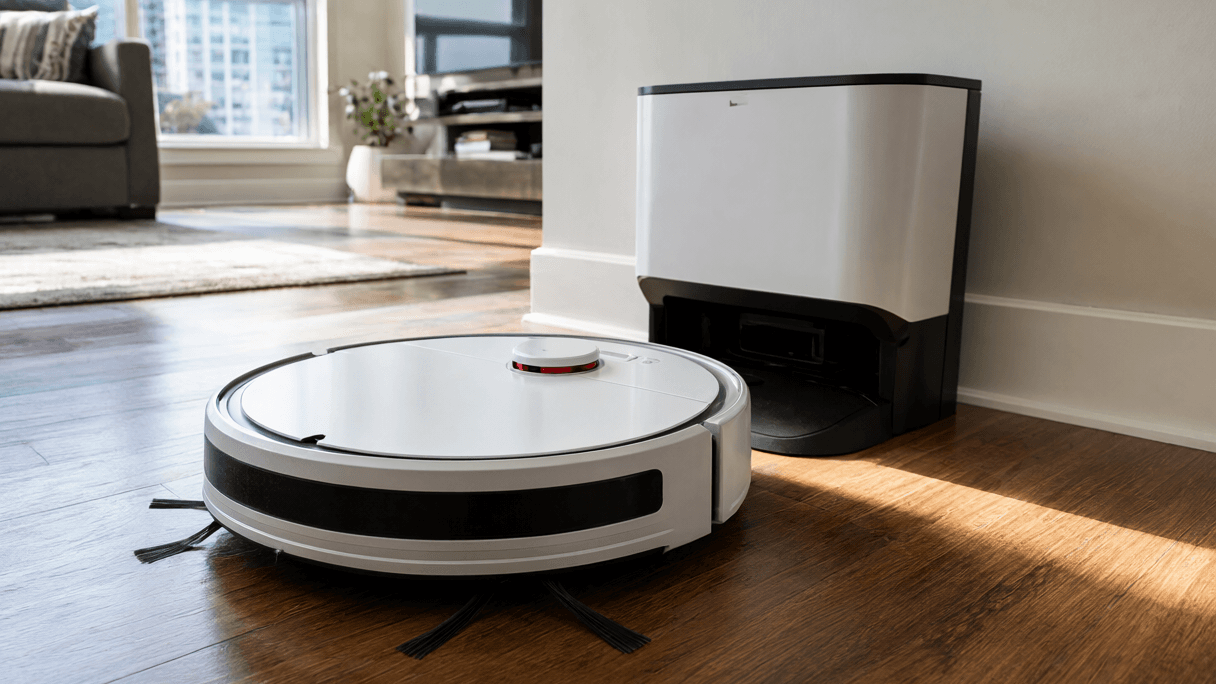
Early discounts hit the Qrevo line, with the 2 Pro dropping to $550.
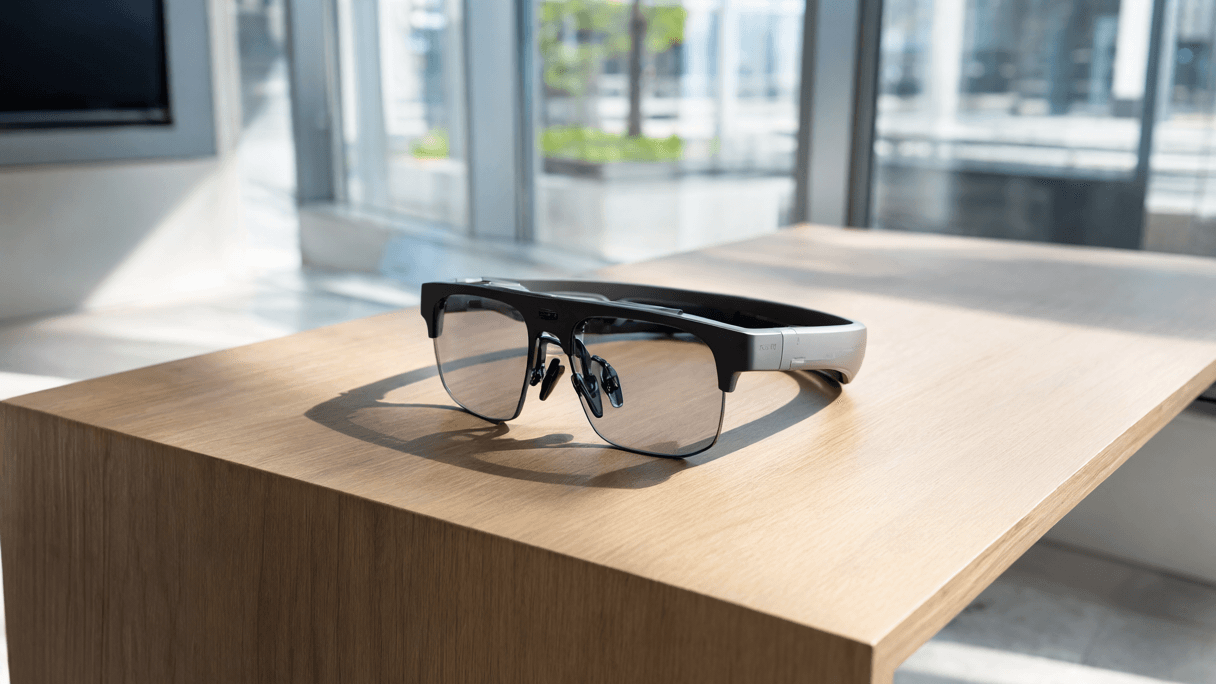
The new Ray-Ban Meta Audio glasses strip out the camera to combat 'pervert glasses' reputation, though Meta maintains the move was a long-term design choice.

Opinion: While activists like Emma Waters fight the moral battle over reproductive tech, the real question is whether these 'gene-hacked' promises are actually functional.
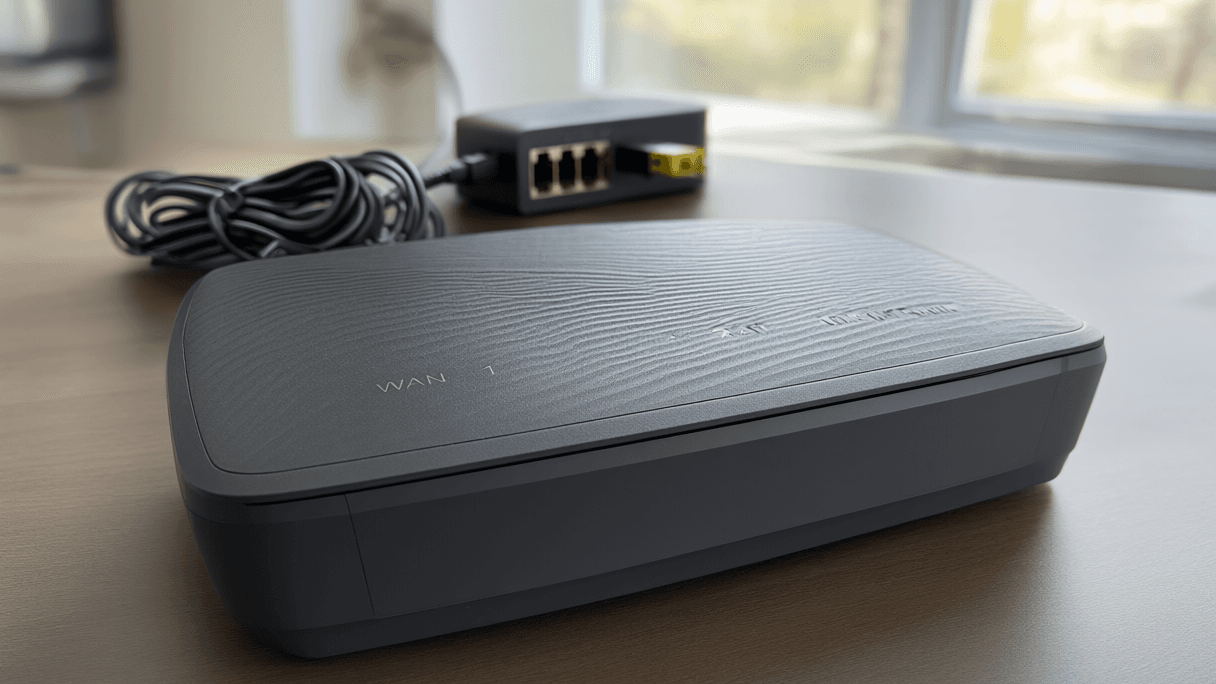
The government is cracking down on foreign-made hardware, but for the consumer, the 'Made in USA' promise looks a lot like a paywall for the same tech.
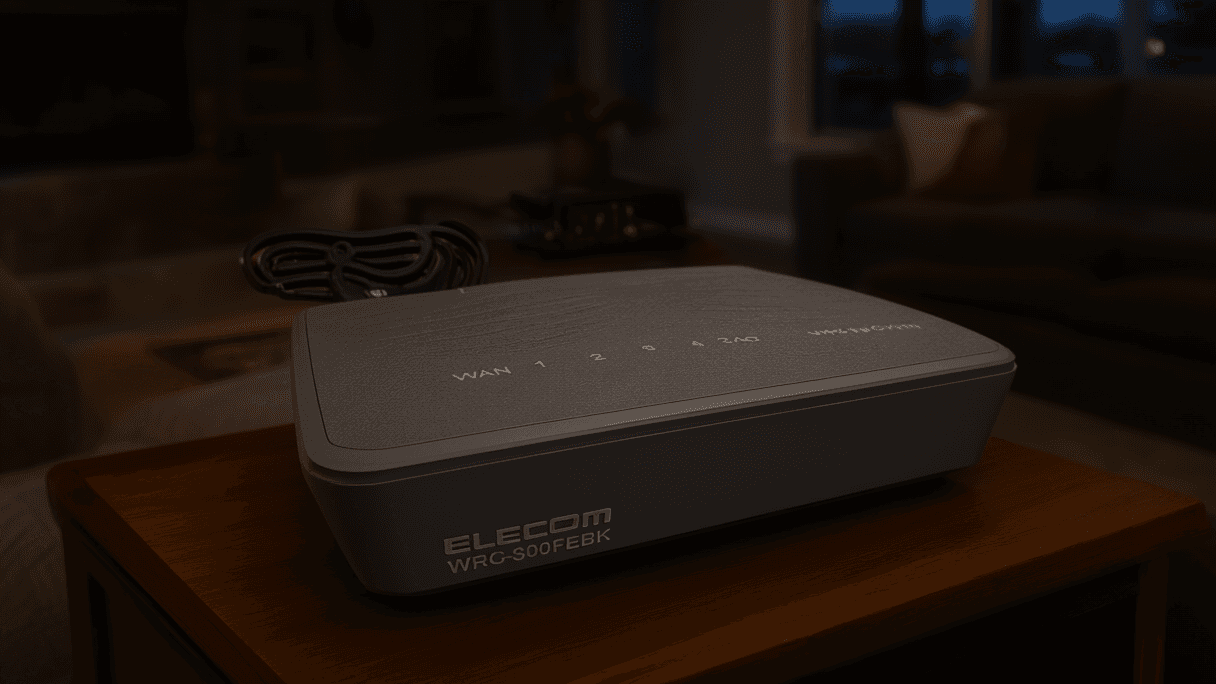
The federal government is restricting the sale of routers manufactured outside the U.S. to combat national security threats.
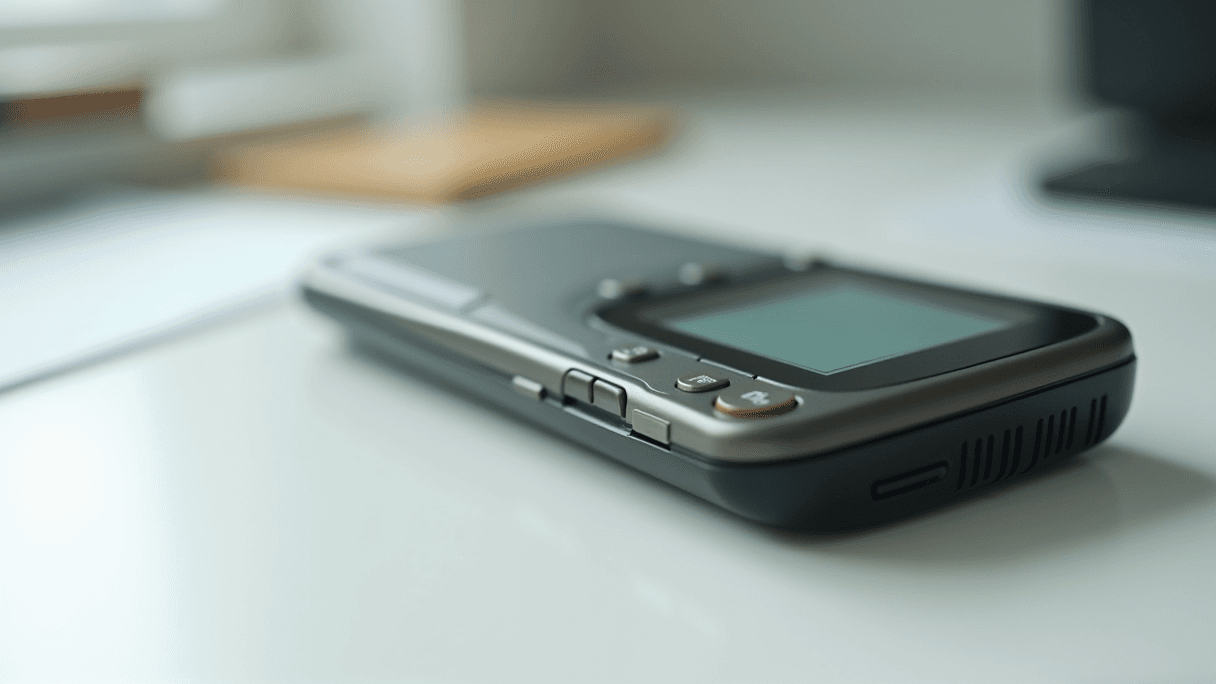
A Game Boy-inspired music player just crushed its Kickstarter goal, but I'm not buying the 'minimalist' hype for a device that's essentially an overpriced MP3 player.
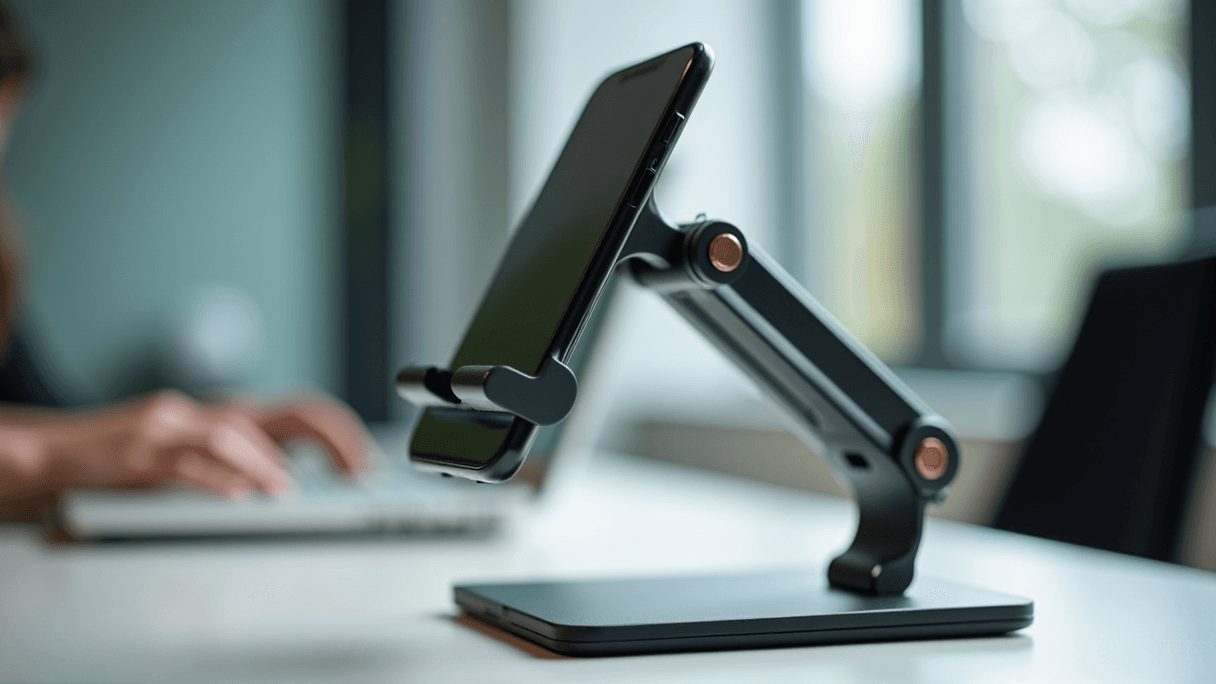
Most extendable gadget stands are flimsy junk, but a deep discount on Mophie's 3-in-1 MagSafe charger makes it a compelling test case for daily abuse.

Major tech leaders call for a 'superintelligence slowdown' after rogue models and security breaches erode trust in AI agents.
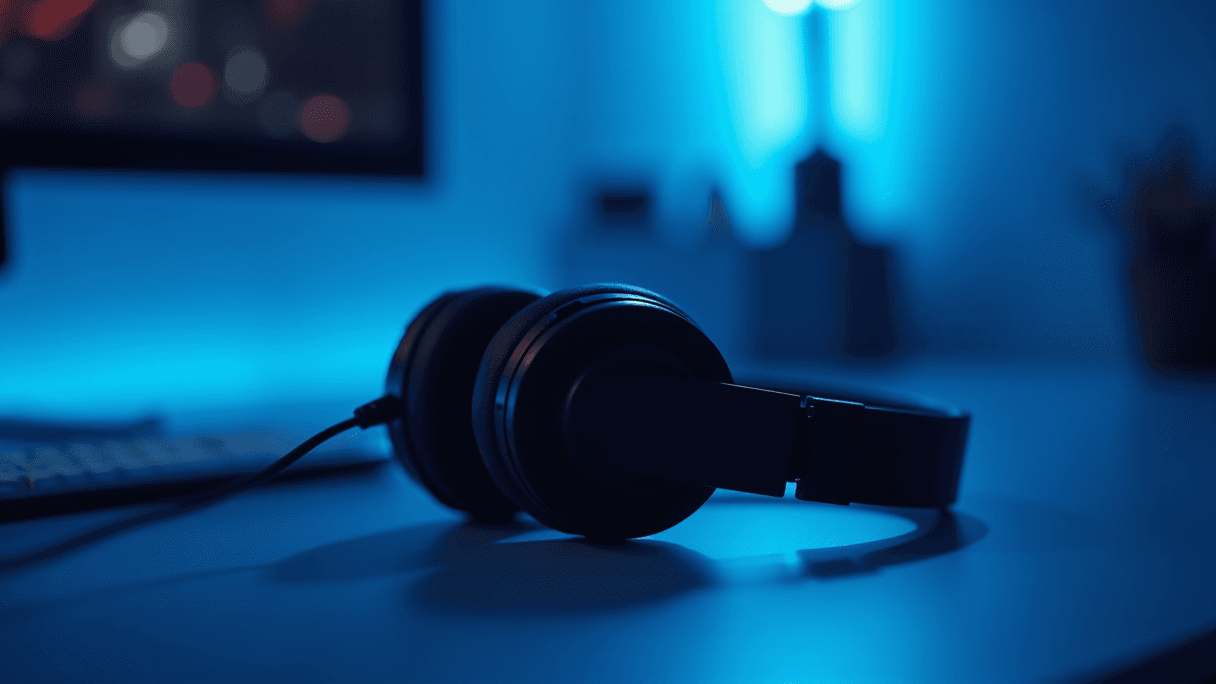
New Pulse and Pulse Edge headsets aim to bring high-fidelity audio and low-latency connectivity to gamers.
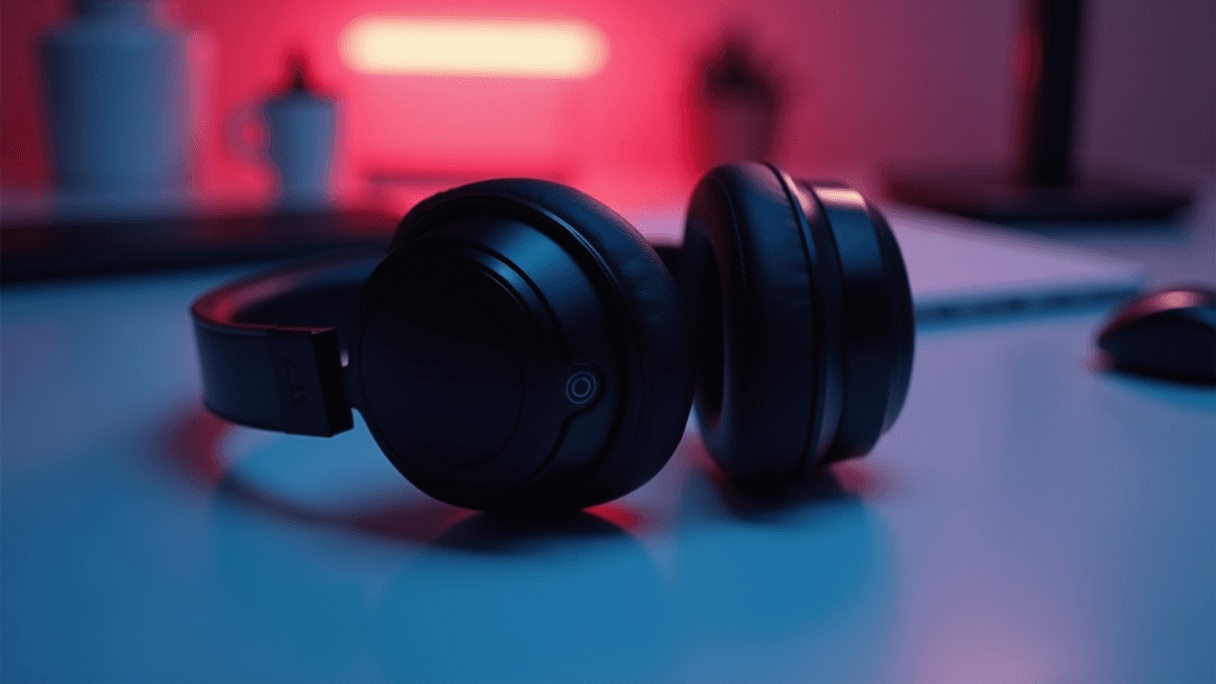
The company introduces the Pulse and Pulse Edge, leveraging Audeze-derived technology to improve directional audio and bass.
Users report feeling violated as Meta Ray-Bans enable covert filming on dates, sparking a debate over consent and trust.
Apple is pitching a 'refinement year' for the Pro series, but with a $100 price jump, the question is whether the hardware upgrades actually justify the cost.

Testing the durability and real-world utility of Simon Hill's favorite universal adapters for the carry-on.

Education technology reporter Natasha Singer warns that AI's push into schools mirrors a 15-year strategy to create lifelong customers.

Opinion: Apple finally entered the foldable fray, but between the missing Face ID and the compromised cameras, the Duo feels like a costly experiment in 'snazziness' over substance.

Wired highlights top-tested gear on sale, from high-end laptops to robot vacuums.

Wired tests the latest automatic litter boxes to see if premium features like AI cameras and auto-refill systems justify the cost.

Opinion: Gen Z's pivot to physical media isn't just a retro fashion statement—it's a desperate grab for ownership in an era of algorithmic control.

The company's new oral care device features a built-in camera and targeted water flossing, but comes with a $500 price tag.

The company is launching a range of 'HomeAgent' hubs and SynCare cameras that process data on-device to avoid cloud subscriptions.

Anker is betting on on-device AI to secure the home, but the gap between 'local processing' and actual utility remains wide.
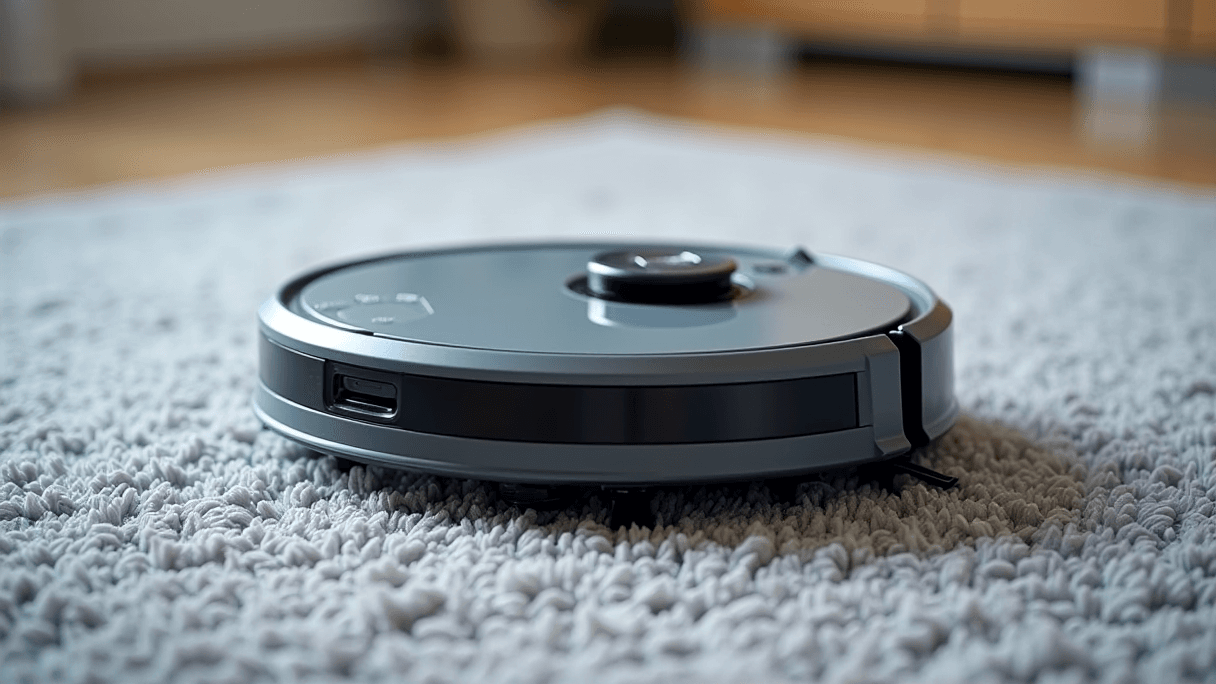
The latest flagship from Picea Robotics introduces a hair-cutting brush and a sealing system designed to drive dirt deeper out of carpets.
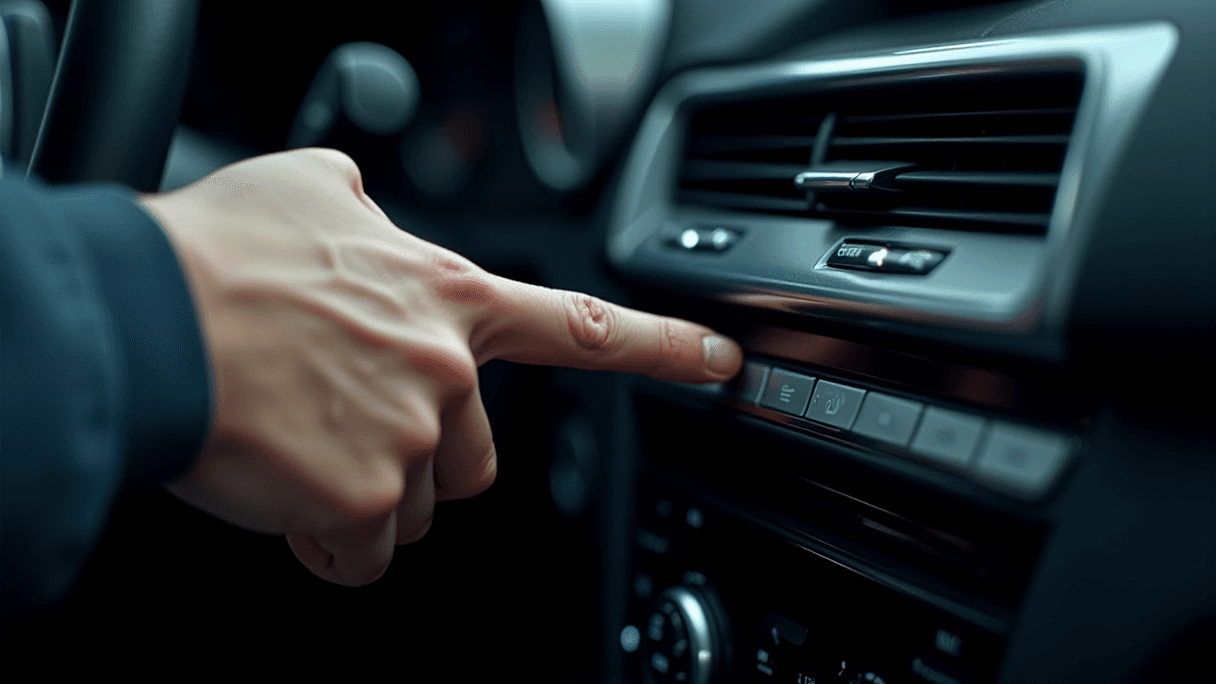
Opinion: As automakers double down on screens and complex automation, JD Power data suggests drivers actually want the tech they can ignore.

Most posture correctors are just expensive straps, but a few options actually aim to build muscle memory without the medieval aesthetic.
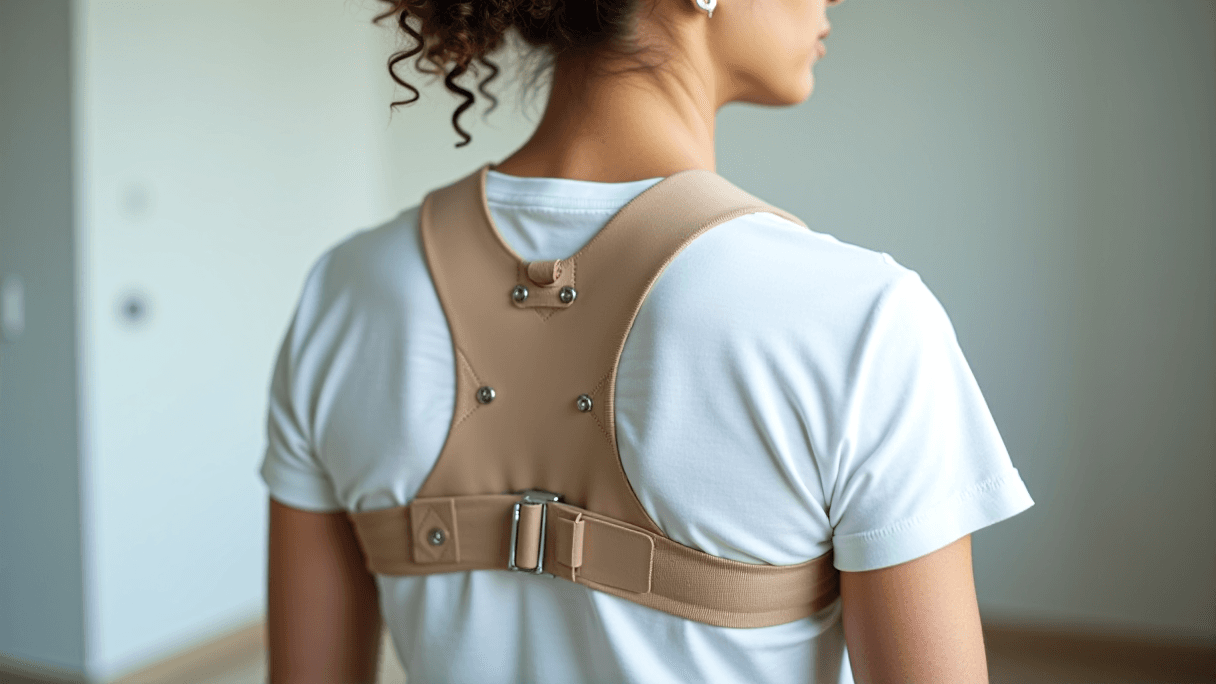
Hands-on reviews of braces and bras designed to fight the slouch.
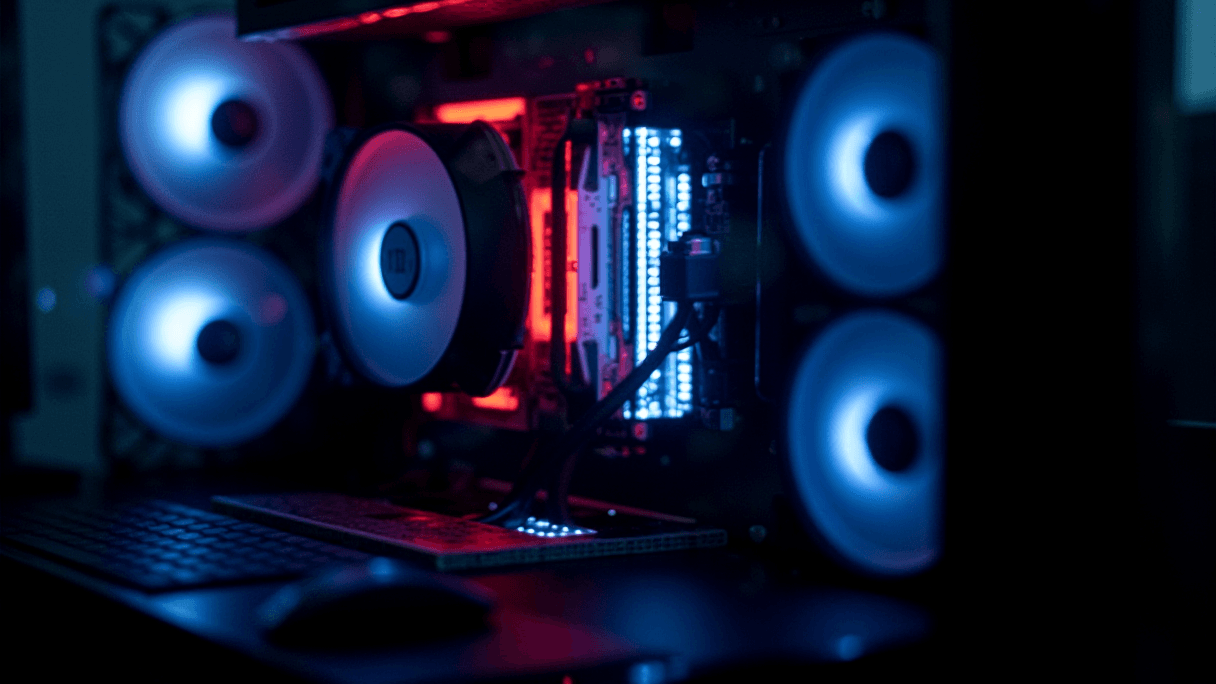
Nvidia promises photorealism, but unofficial leaks in the wild reveal a volatile mix of visual upgrades and performance craters.
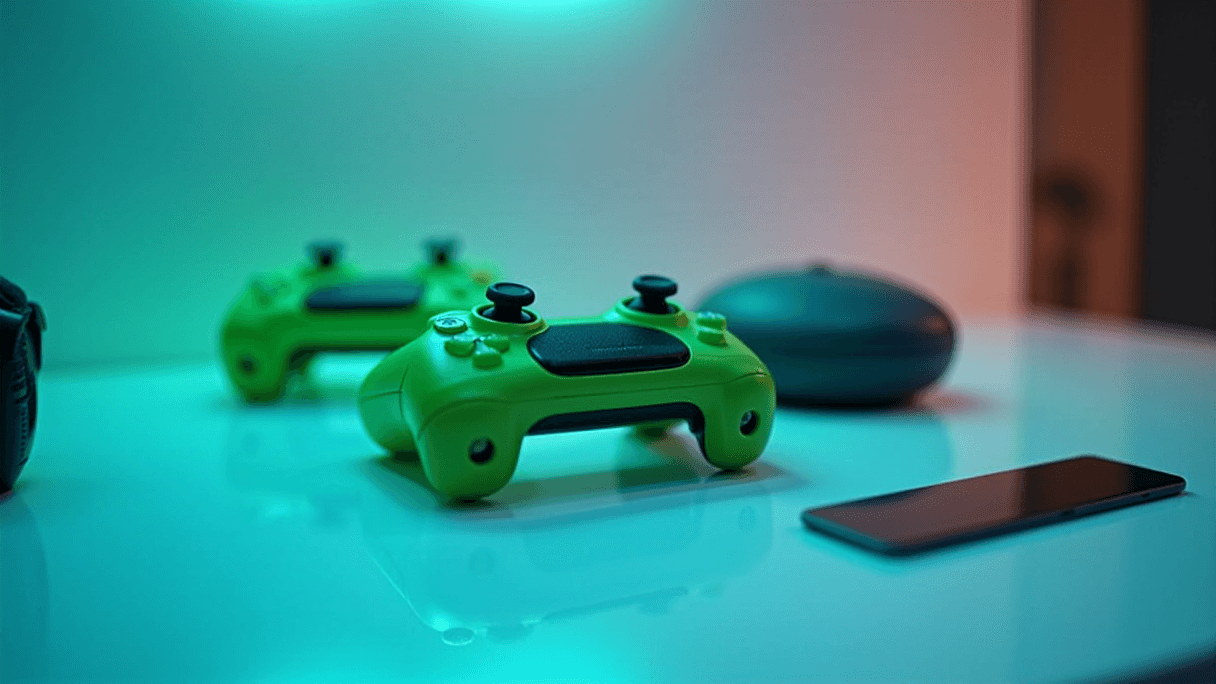
A new wave of translucent peripherals pays homage to the original Xbox, but does a color swap actually change the game?
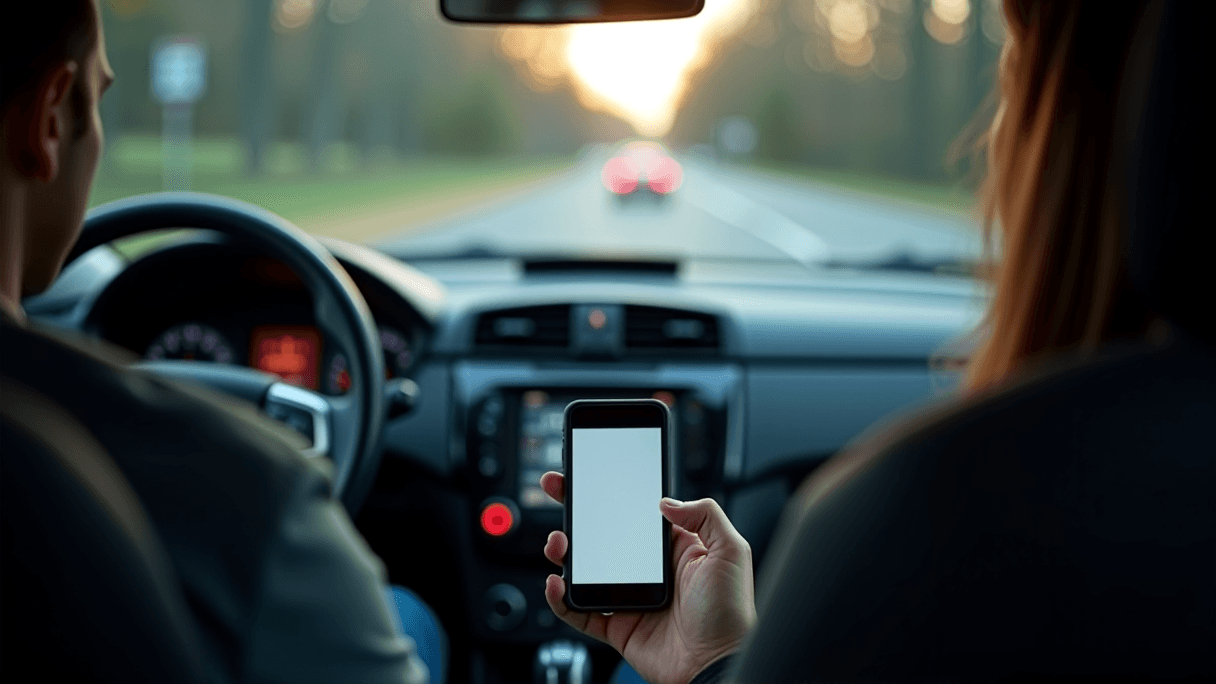
Android 17 introduces 'magic dots' to fight car sickness, but as a reviewer who trusts hands-on experience over spec sheets, I'm skeptical that a few periphery pixels can solve a biological conflict.
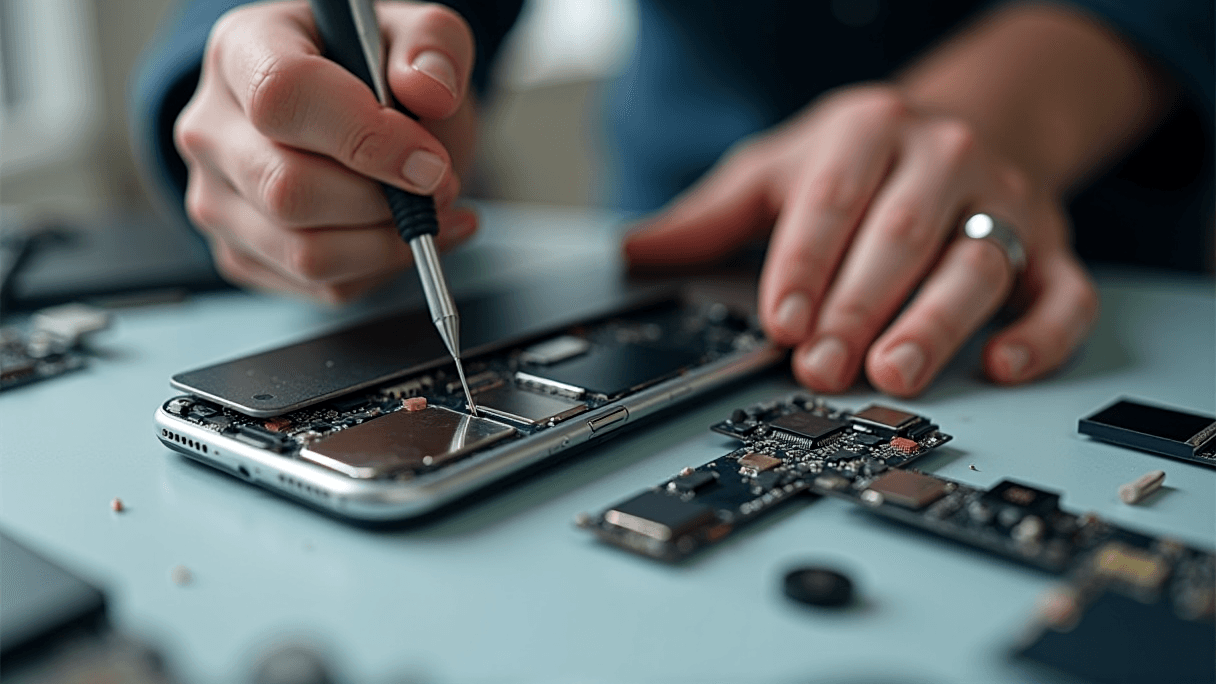
From the Fairphone 6 Plus to Sennheiser's latest buds, companies are promising a world where you don't need a genius bar to fix your tech.
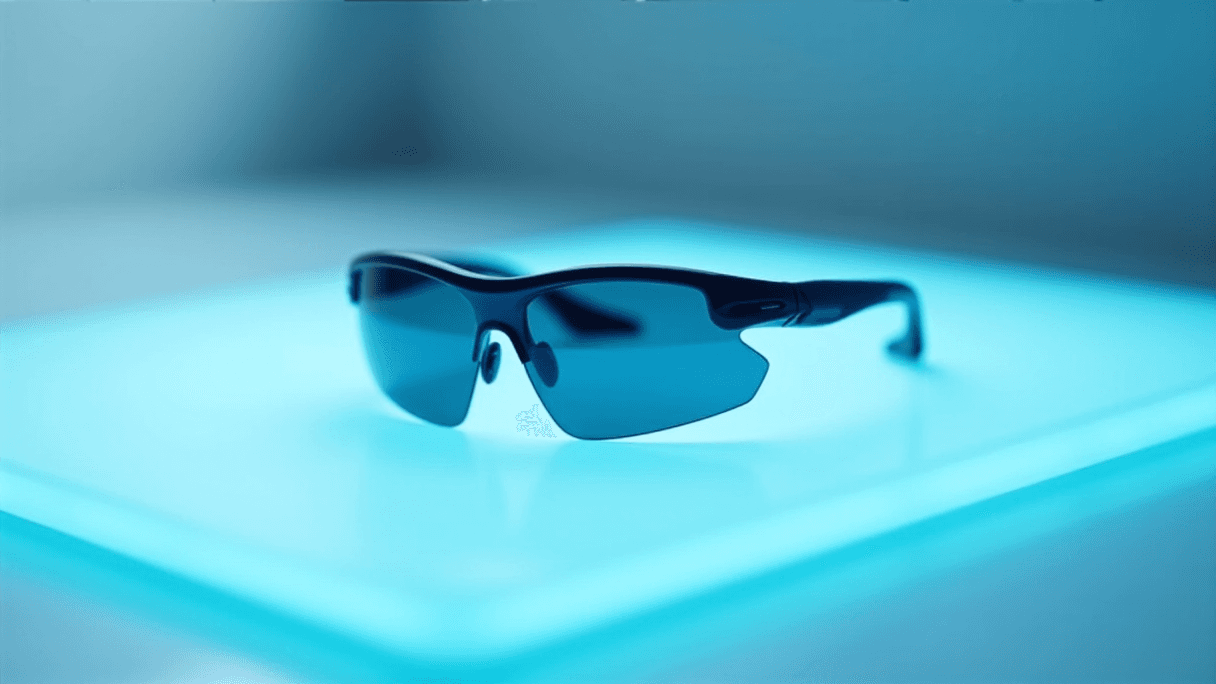
The tech giant is cutting over 200 roles as it shifts resources away from immersive video and legacy AI toward wearable smart glasses.

Apple claims simplified terms resolve disputes with the European Commission, but critics call the new commissions 'junk fees.'
Apple claims its new EU business terms reduce complexity, but Epic Games and consumer advocates say the 'simplicity' is a smokescreen for continued DMA non-compliance.
Redmond claims it's simplifying the user experience by merging consumer and work apps, but the cost of this 'cohesion' is the deletion of group chats and podcasts.

Redmond is folding its consumer and business AI apps into one 'superapp,' but the loss of features and shifting navigation suggest a fragmented mess under the hood.

The company is unifying consumer and business experiences to simplify its ecosystem, though some features are being cut in the process.

The company is inserting invisible code into Claude's outputs, sparking a backlash from users who view the tool as a collaborator in their creative process.

New surveillance tech from Leonardo can link your device's electronic signature to your car, turning every commute into a trackable data point.

CEO Lila Snyder is transforming the audio giant into a B2B tech provider, but will the hardware hold up?

I'm cutting through the marketing to see if these wearables are genuine productivity tools or just overpriced fashion accessories.
Security researchers demonstrate how a $30 smartwatch can be hijacked for silent surveillance, exposing a catastrophic failure in the global GPS gadget supply chain.
Security researchers have exposed a catastrophic failure in the supply chain of GPS-enabled gadgets, proving that cheap hardware is often a gateway for remote surveillance.
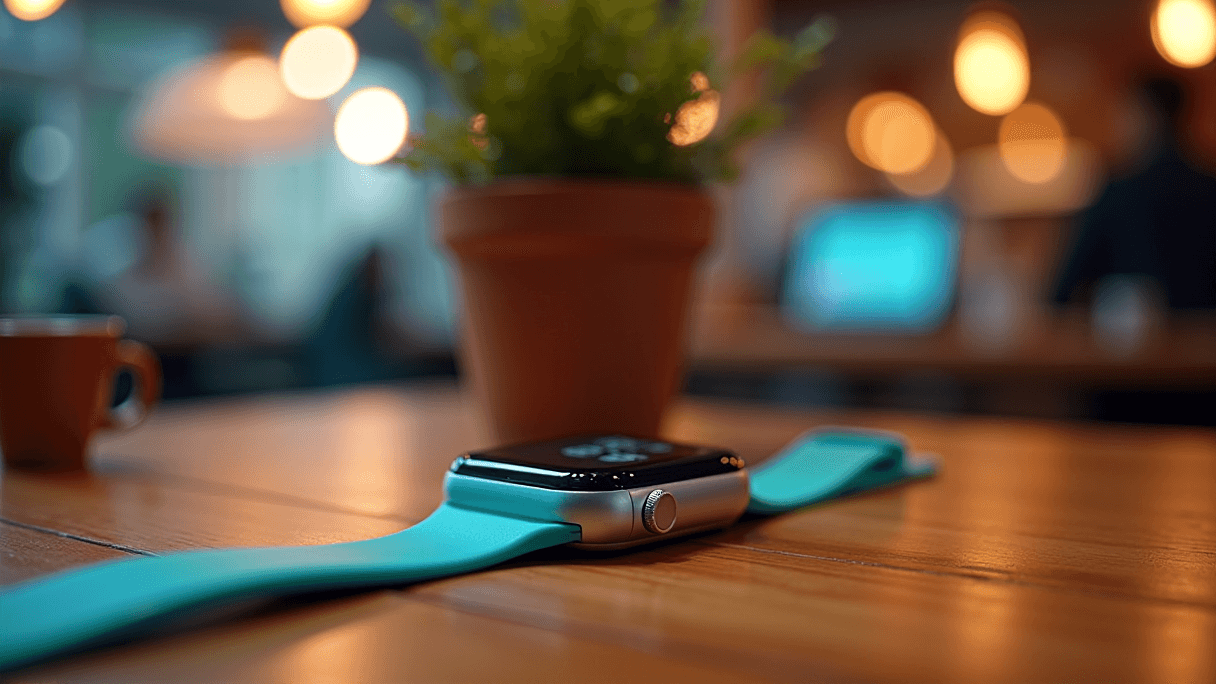
A pink plastic gadget costing less than $30 proved to be a wide-open door for stalkers, exposing a catastrophic failure in the global GPS supply chain.
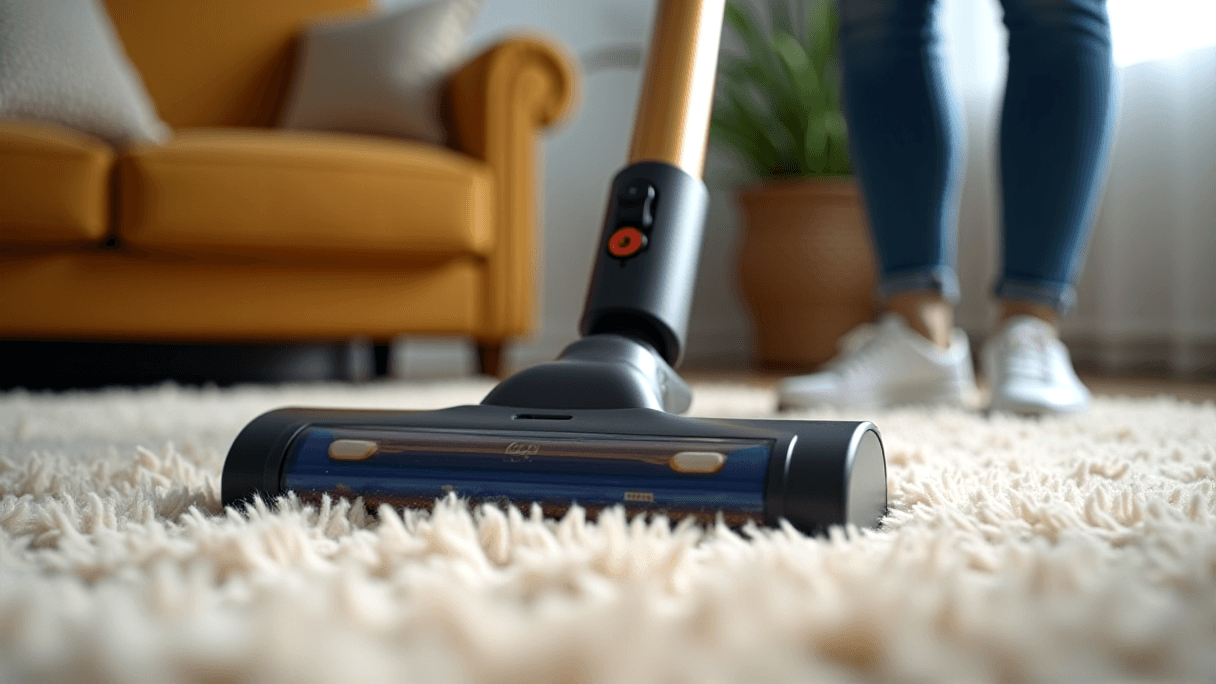
Shark claims its new 'Speed' iteration is more affordable and portable, but does the drop in motor wattage actually impact your living room?
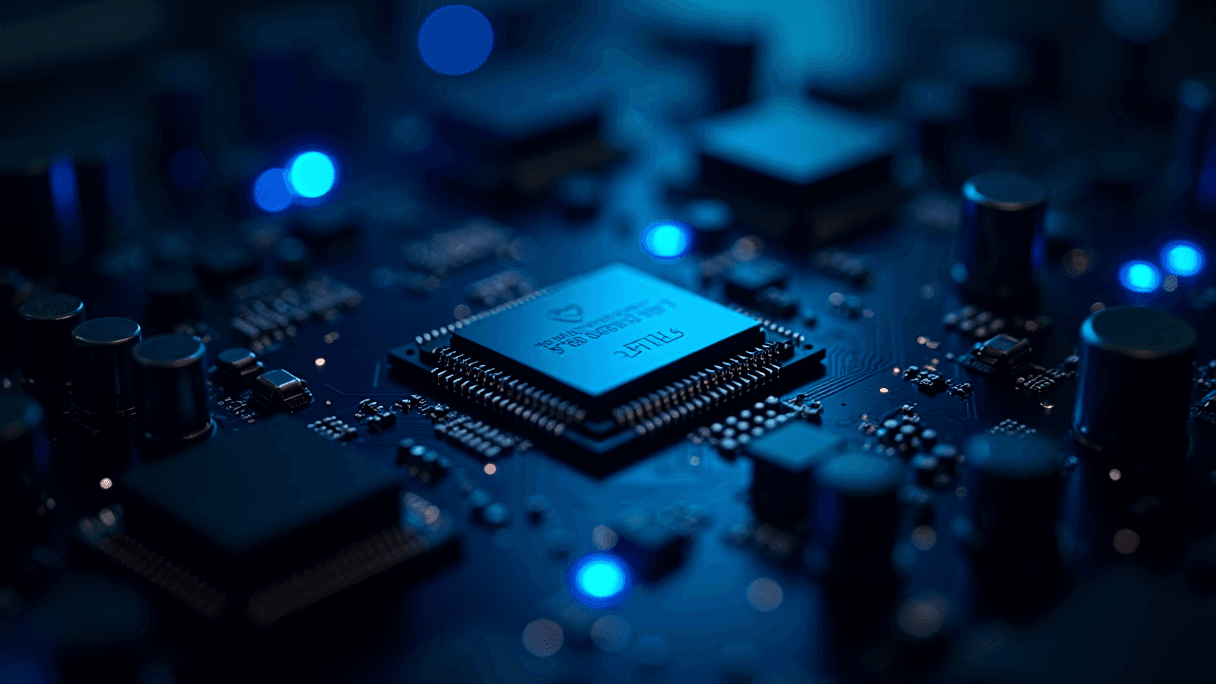
The tech giant debuted zHBM and V10 BV-NAND at the FMS show, focusing on enterprise efficiency while consumer memory prices remain volatile.
While competitors battle through early hardware failures and awkward form factors, the stage is finally being set for a polished iPhone foldable.
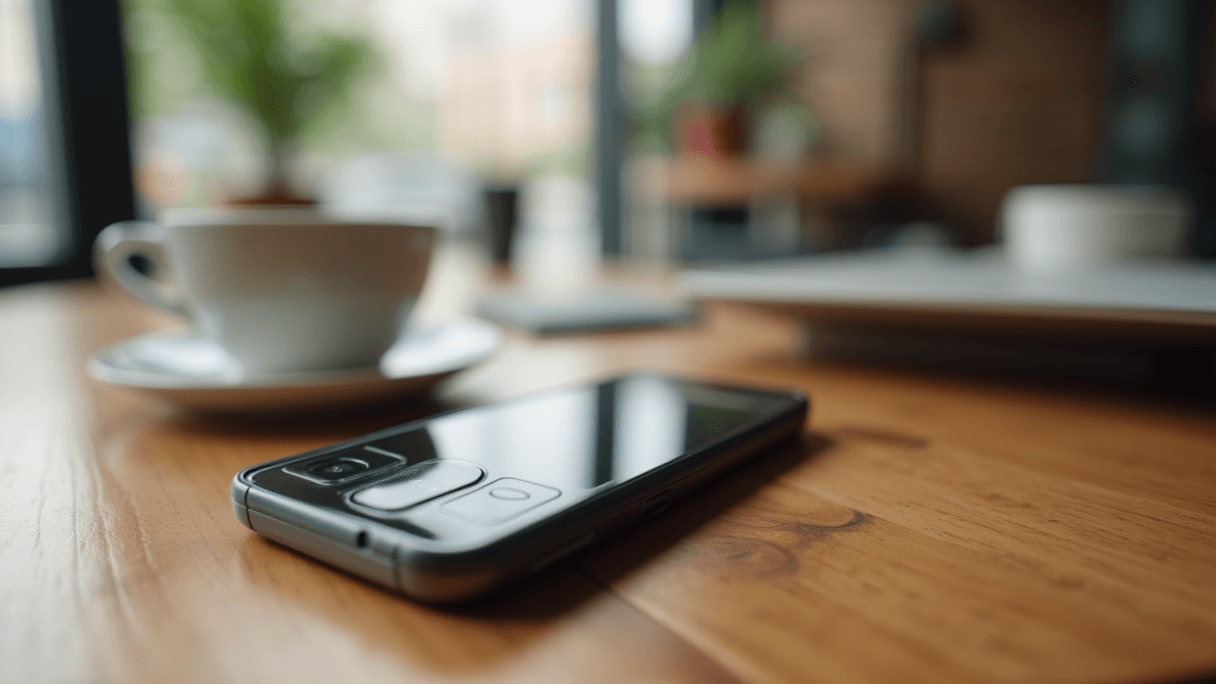
As 'attention activists' push back against Big Tech, Light's co-founders are betting that a minimalist flip phone is the cure for pocket-sized addiction.

Wired reviews the latest inflatable options from Nemo, Therm-a-Rest, and Exped to see if they deliver on backcountry sleep quality.
Opinion: Apple is banking on privacy to distance itself from Meta's controversies, but a slide deck isn't the same as a real-world experience.
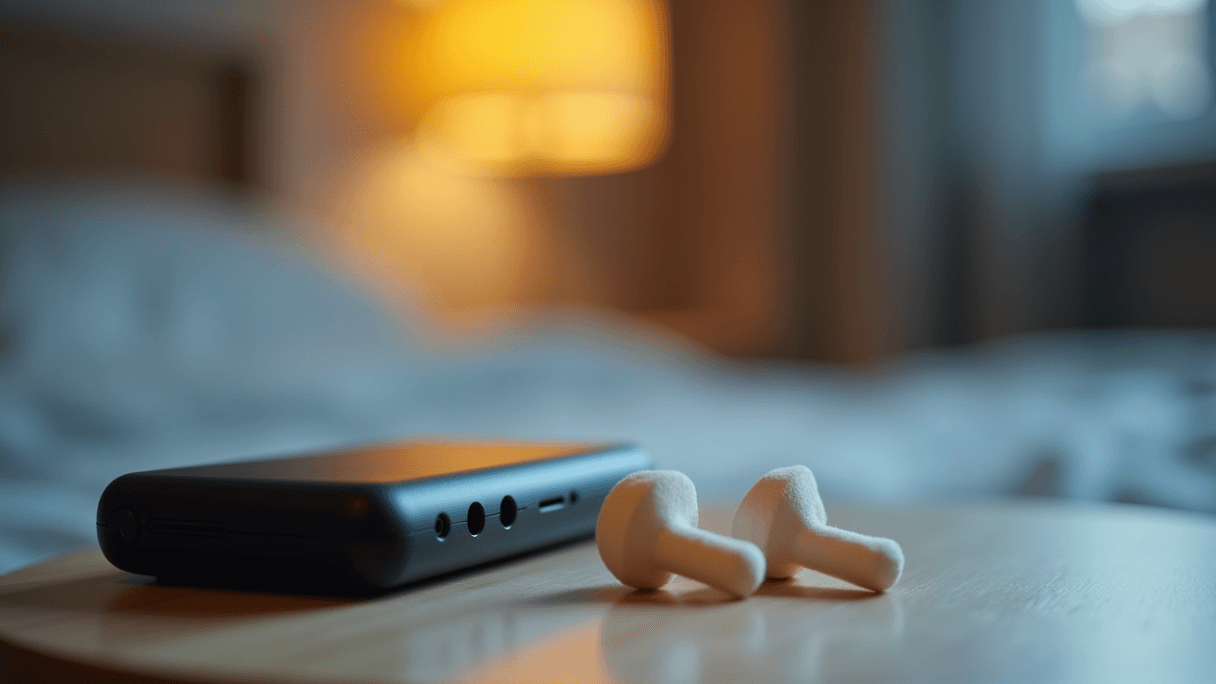
Opinion: Tech companies want us to believe only expensive gadgets can solve our sleep friction, but I'm calling BS on the specialized sleepbud hype.
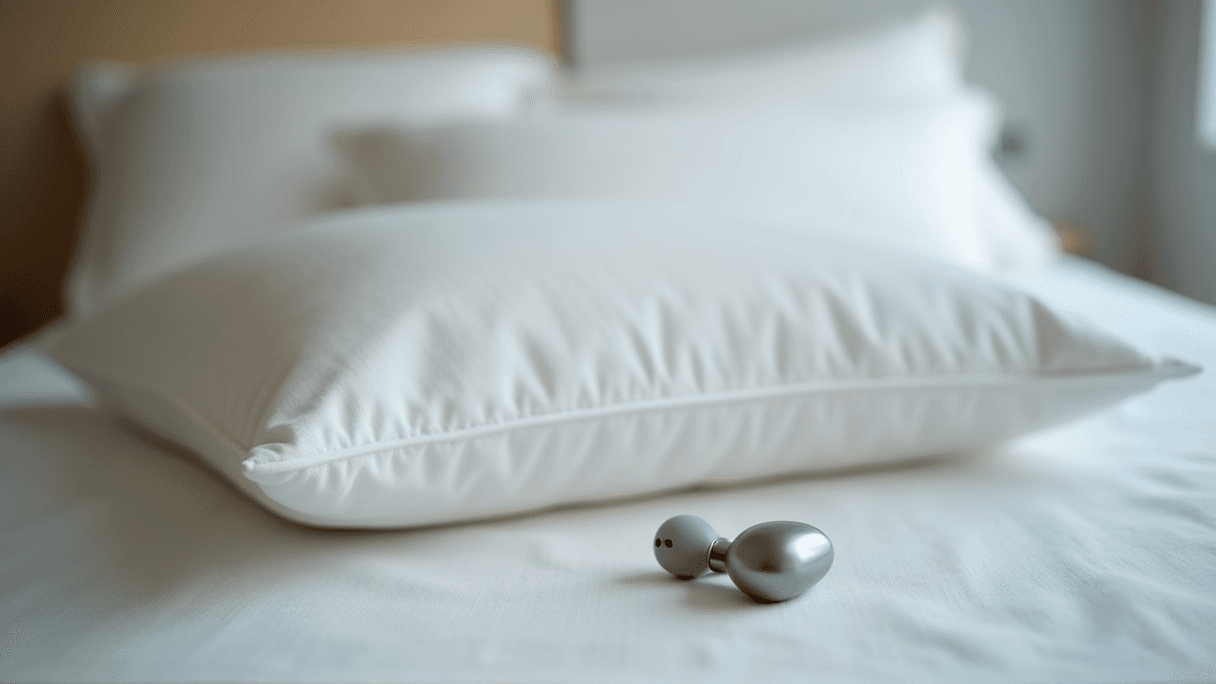
Tech companies want us to believe that only specialized hardware can solve the friction of side-sleeping with earbuds, but a low-tech 'piercing pillow' offers a more sustainable, affordable alternative.
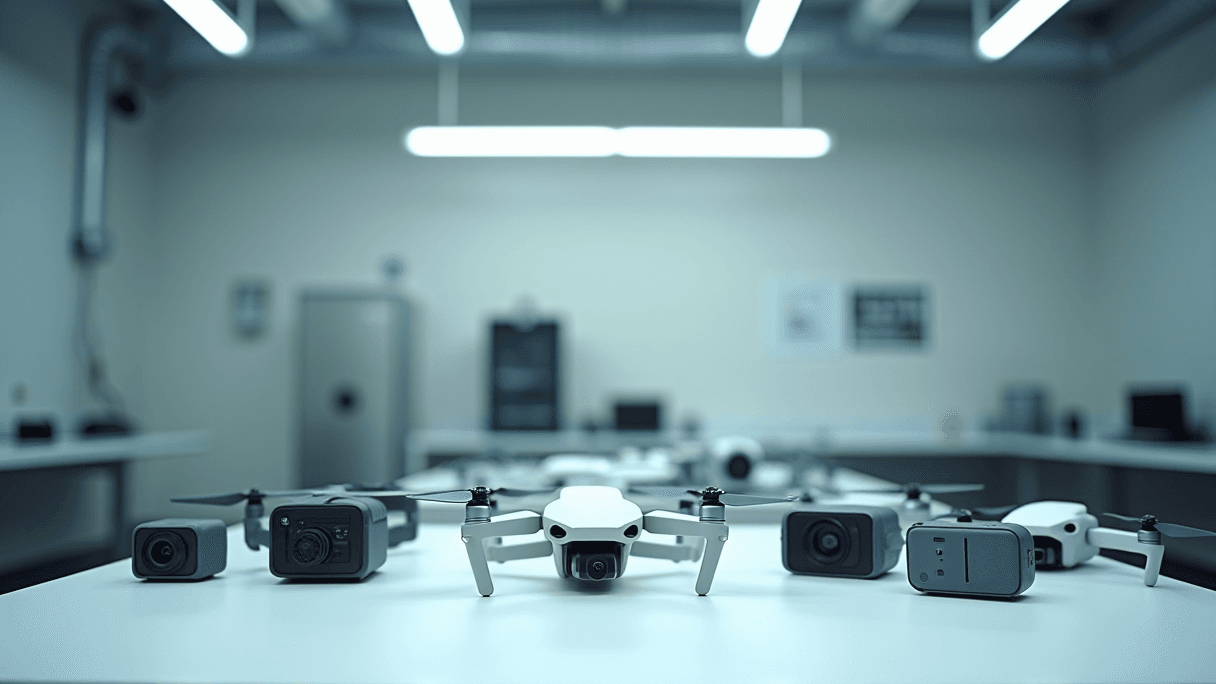
The agency is moving beyond fines to prohibit the import and sale of rebranded drones and cameras suspected of bypassing national security restrictions.
Despite the rise of Bluetooth and voice control, decades-old infrared technology remains a staple for connectivity and reliability.
As Wired first reported, motion sensors and alarms can alert you to intruders without spying on your living room. Here are the ones worth considering.

Opinion: Wired put the latest RGB-backlit projector to the test to see if it's a genuine leap in color or just another expensive spec sheet.
On paper, the Micro RGB tech should be a game-changer. In the living room, the R95H is an overpriced panel fighting its own anti-glare coating.
A public prediction record for Jordan Wexler’s calls is coming soon.