
The Cloud is a Lie: Why Your Smart Home is a Graveyard of Plastic Bricks

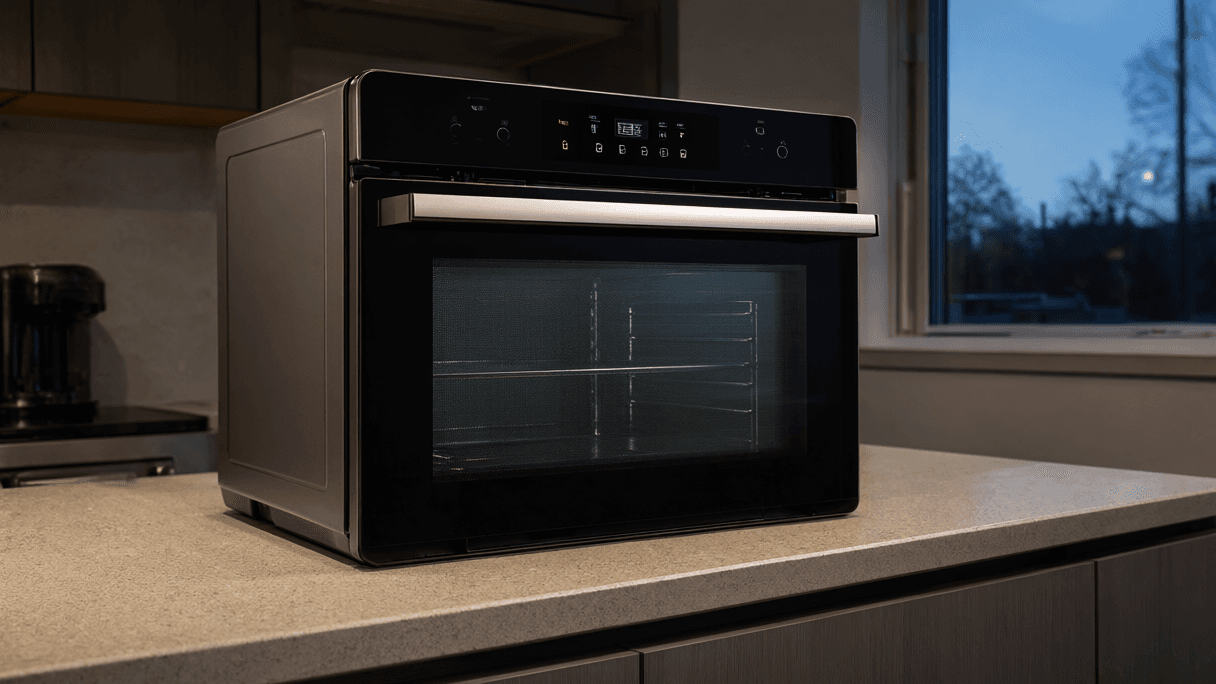
AI-generated image · US National Wire
The collapse of the June Oven is a stark reminder that when we pay a premium for 'smart' features, we aren't buying ownership—we're renting a server that can be unplugged at any moment.
I have a bone to pick with the 'smart' home industry. For years, we've been sold the dream of seamless integration and AI-powered convenience, often paying an absurd premium for the privilege. But as I've seen time and again, the moment a startup folds or a corporate parent decides a product isn't profitable, that high-end gadget transforms into an expensive plastic brick.
Case in point: the June Oven. As The Verge first reported, this appliance—built by former Apple engineers and featuring a built-in scale, camera, and AI food recognition—once set the gold standard for smart cooking. It carried a steep price tag of $1,495. Yet, as of this past Tuesday, June went dark. Weber, which acquired the company in January 2021 and ceased oven production in 2022, has shut down the cloud services and the app.
(Opinion: This is exactly why I don't trust the spec sheet. The 'intelligence' of these devices isn't in the hardware you own; it's in a server you don't.)
While The Verge notes that the June Oven can still function as a basic oven, the very features users paid for—app control, software updates, and AI recognition—are gone. Worse, there is no support or available parts, and a factory reset could effectively kill the device. Weber told The Verge it considered open-sourcing the tech but declined because June's intellectual property is tied to the Weber Connect platform.
This isn't an isolated incident; it's a pattern. The Verge lists a growing 'smart home graveyard' from the last two years, including Neato robot vacuums, Belkin's WeMo line, Logitech's Pop buttons, Sengled smart bulbs, the Brava smart oven, early Nest Thermostats, and Bose SoundTouch speakers. Some, like the Nest Secure, have transitioned from premium tech to pure e-waste.
Why does this happen? The Verge explains that a decade ago, cloud servers were cheaper to build than local hubs. However, those servers require ongoing payment. When a larger company buys a startup—often attracted by the 'shiny thing' but deterred by the bottom line—they eventually stop paying the bills. We are seeing a similar precarious situation with Level Lock, another startup founded by former Apple engineers. Assa Abloy purchased the company and abruptly fired most of the team, leaving the product's future in question.
There are rare glimmers of hope. The Verge reports that Insteon users bought the company to resurrect it after a 2022 shutdown, and Bose eventually open-sourced its SoundTouch API. Some devices are saved by local protocols like Thread, Zigbee, or Apple's HomeKit. Others find refuge in Home Assistant, an open-source platform. June co-founder Matt Van Horn stated on X that he attempted to keep the servers running, but was unsuccessful.
At the end of the day, the June Oven is a cautionary tale. When the cloud is the brain, the consumer is just a tenant. And as we've seen, the landlord can evict your functionality whenever they feel like it.