
Repairability or Marketing? Putting the Latest 'User-Serviceable' Gear to the Test

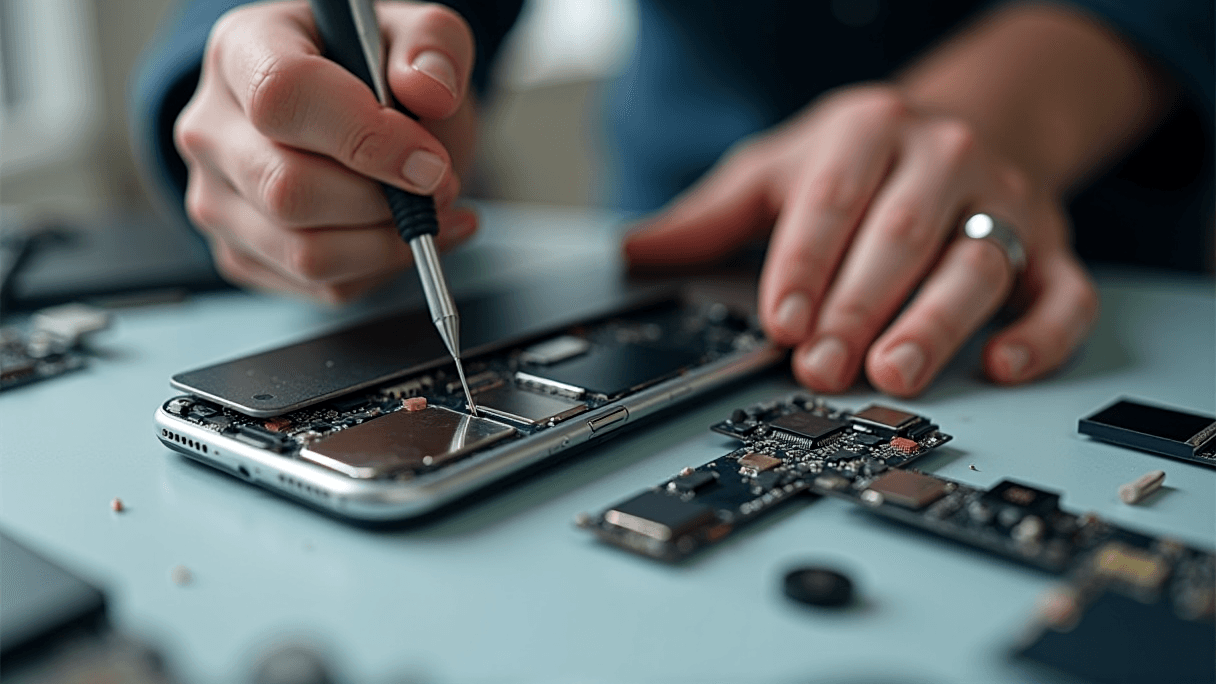
AI-generated image · US National Wire
From the Fairphone 6 Plus to Sennheiser's latest buds, companies are promising a world where you don't need a genius bar to fix your tech.
I've spent years staring at spec sheets that promise 'longevity,' but as any gadget enthusiast knows, there is a massive gulf between a device being technically repairable and one that is actually user-serviceable. Too often, 'repairable' is just marketing fluff designed to appeal to people who own a precision screwdriver set but lack the patience to navigate a proprietary nightmare.
As The Verge first reported, we are seeing a surge of hardware attempting to bridge this gap. First up is the Fairphone 6 Plus. Fairphone is now selling this ultra-repairable smartphone directly in the US market. On paper, it's a solid step up from the previous model, boasting a better chip and an increase to 12GB of RAM. More importantly for my skepticism, The Verge notes that iFixit awarded the 6 Plus a 10/10 for repairability. When iFixit puts their stamp of approval on a device's longevity, it usually means the hardware isn't fighting the user.
Then there is the Framework Laptop 12. Framework has launched a second generation of this 12-inch convertible. While it offers the latest Intel Core Series 3 processors, a backlit keyboard, and fingerprint reader options, the real story is the accessibility. The Verge reports that a pre-built version featuring Fedora Linux starts at $699—a $100 price drop compared to the starting price of the previous-generation Laptop 12.
Perhaps the most surprising move comes from the audio world. The Verge reports that Sennheiser's redesigned Momentum True Wireless 5 earbuds—and the charging case they come in—both feature batteries that the user can replace. In an industry where wireless earbuds are typically treated as disposable once the battery degrades, this is a direct challenge to the status quo. As The Verge puts it, Apple should take note.
**Opinion:** While these specs look great, the real test isn't the iFixit score or the price point; it's whether the average consumer can actually perform these swaps without bricking their device. If these companies can move beyond 'technically possible' to 'genuinely intuitive,' we might finally move away from the disposable tech cycle.