FCC Targets 'DJI Front Companies' With Retroactive Ban

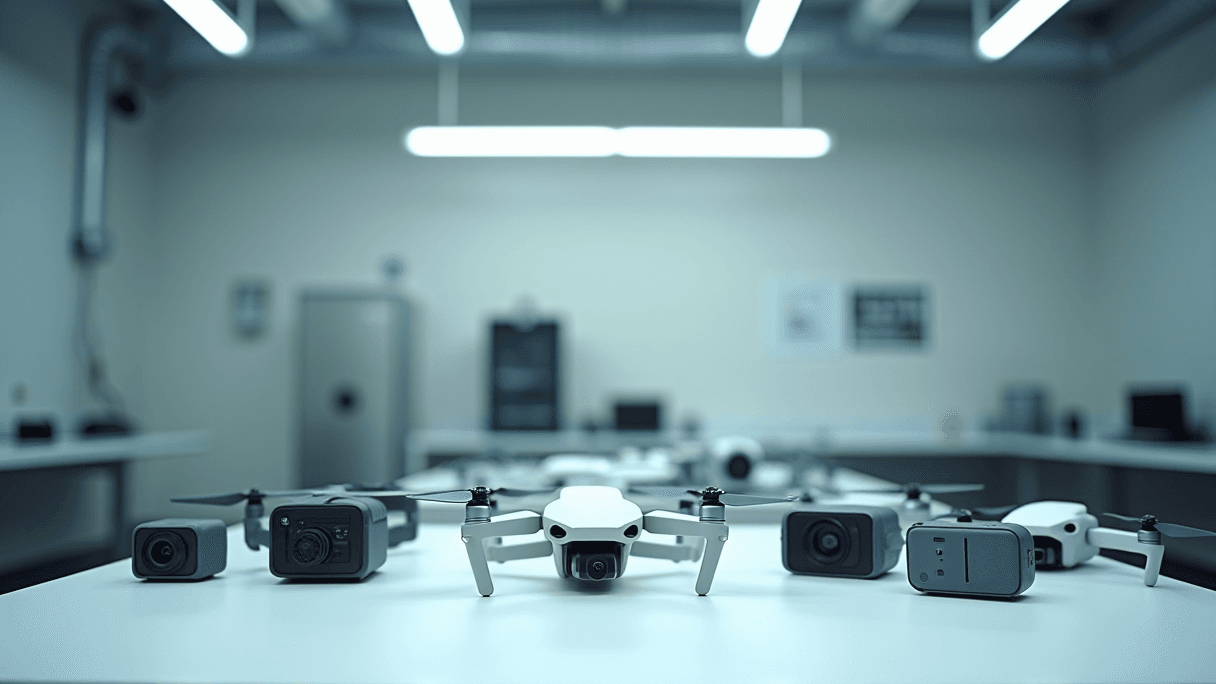
AI-generated image · US National Wire
The agency is moving beyond fines to prohibit the import and sale of rebranded drones and cameras suspected of bypassing national security restrictions.
The Federal Communications Commission (FCC) is planning to retroactively ban several companies suspected of acting as front companies for DJI to sneak Chinese technology into the U.S. market. According to reporting from The Verge and Engadget, the FCC is proposing to prohibit these companies from importing, distributing, marketing, and selling existing drones and cameras.
The targeted entities include Xtra Technology, Cogito Tech, Fixaxo Technology, Lyno Dynamics, Skyhigh Tech, Spatial Hover, SZ Knowact, WaveGo Tech, and the agricultural drone brand XAG. The FCC claims these products pose an "unacceptable risk" to national security. This move marks a significant escalation from a proposal made two Fridays ago to levy $25,000 fines against eight of these companies for evading inquiries.
While the FCC previously stated that the addition of foreign-made drones to its "Covered List" in December 2025 would only apply to new models, the agency voted in October 2025 to grant itself the power to retroactively ban previously authorized equipment. The Verge notes that this includes products like Xtra's version of the DJI Osmo Pocket 3, which had already received FCC approval and is currently available on Amazon.
Additionally, the FCC is parting ways with SGS-CSTC Shenzhen, a Chinese test lab. The agency determined the lab is controlled by the Chinese government because China-owned CSTC holds a 15 percent ownership stake, exceeding the 10 percent threshold required by U.S. law.
DJI told Engadget it is disappointed by the decision, arguing that security concerns are not grounded in evidence and reflect protectionism. The FCC is currently accepting public comments for 30 days. The proposed ban would not affect gadgets already purchased by consumers.