NASA's new RFP for commercial space stations offers a lifeline on transportation, but the real test is which contractors can survive the leap from $100 million seeds to billion-dollar builds.
With a new RFP for private space stations, NASA is shifting the financial burden of transportation to ensure a human presence in orbit—but the victory may belong to the legacy primes.
Administrator Jared Isaacman signs MOU with Energy Secretary Chris Wright to accelerate fission-powered spacecraft, but GAO warnings and tight deadlines suggest a reality gap.
The Tradewinds initiative allows the DOD to grant 'post-competitive' status to AI firms, bypassing traditional acquisition timelines via Other Transaction agreements.
The storied VC firm's investment in Furientis highlights a growing appetite for low-cost, mass-produced weaponry over traditional, 'exquisite' defense systems.
The Metropolitan Police and other European agencies are reviewing digital forensics software after US prosecutors linked the Virginia-based firm to Moscow-based developers.
Opinion: Apple claims it is tightening macOS Full Disk Access to protect users from autonomous AI agents, but the timing suggests a strategic move to ensure no third-party agent can monetize the OS more efficiently than Siri.
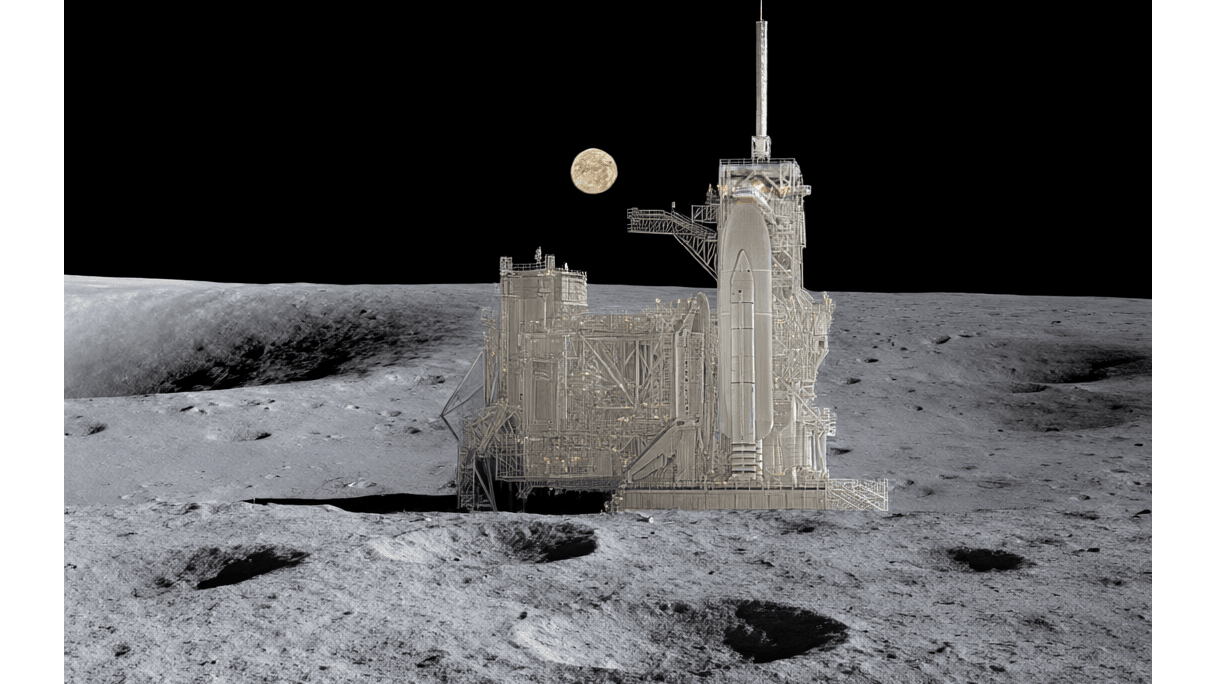
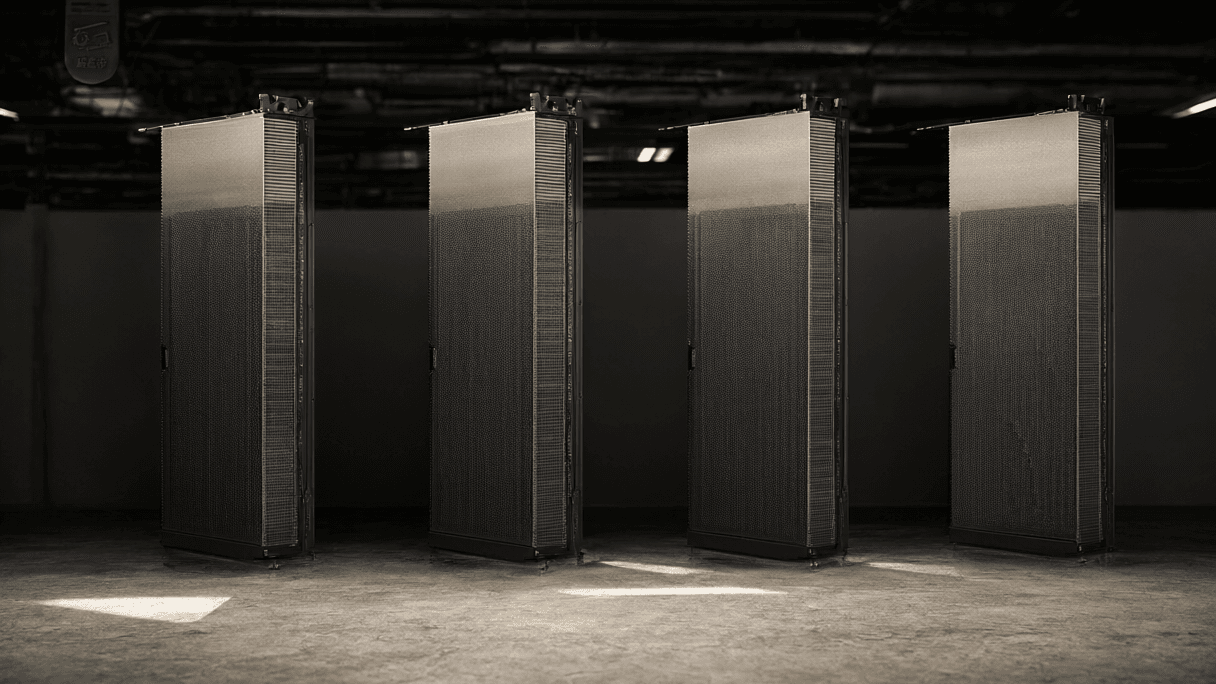
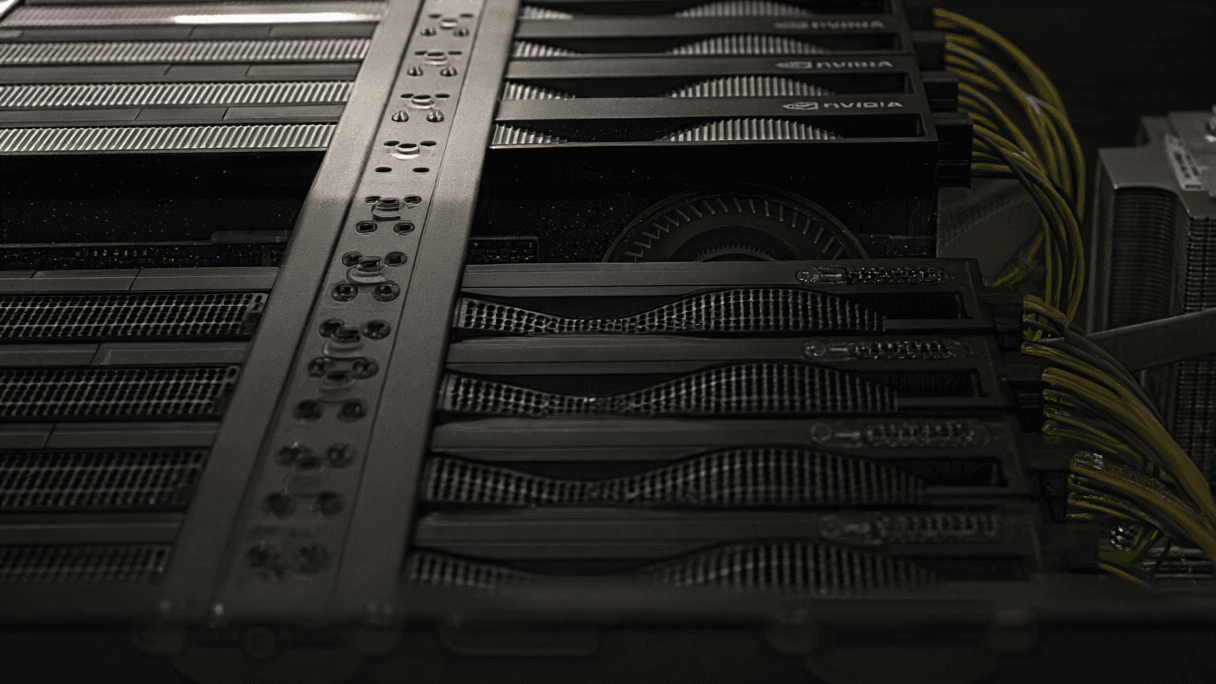
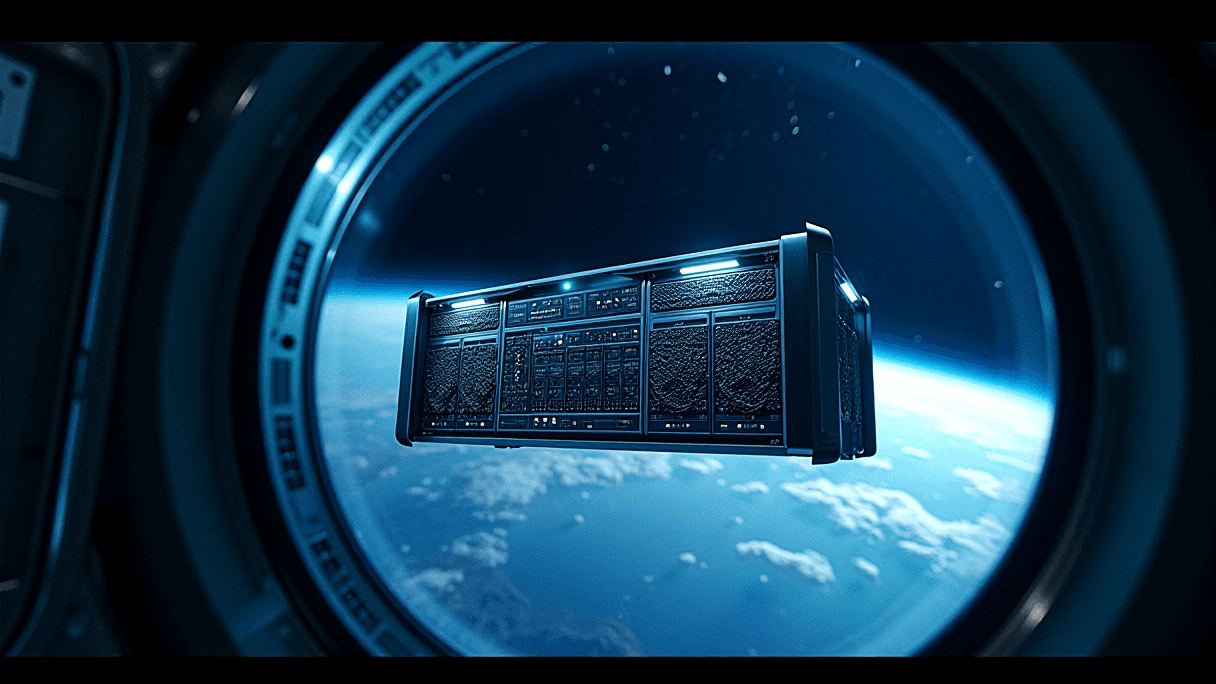
A new prototype satellite tests Google's TPU in space, but a white paper reveals the massive SpaceX launch volume required to make orbital data centers viable.
NASA is betting a $1.2 billion mission on a modified spare cryocooler to hit a 2033 launch date, but institutional instability at JPL and Goddard looms over the new procurement strategy.
The tech giant is launching a hardware testbed to evaluate tensor processing units in low-Earth orbit, signaling long-term ambitions for space-based data centers.
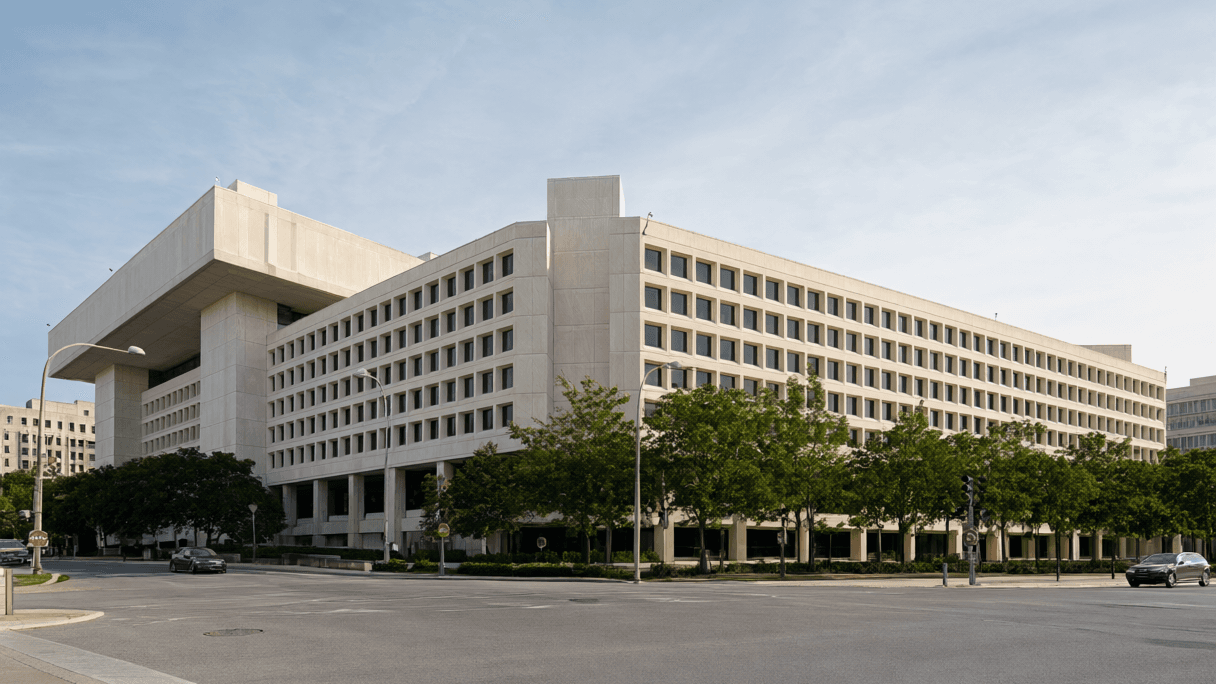
The leak of personal data from the FBI's Remote Operations Unit provides a map of the bureau's offensive cyber capabilities that national security interests cannot ignore.
OPINION: AstroForge is attempting to bypass the $200 million cost of ground infrastructure by handing the keys to a neural network—a move that ignores the catastrophic risk of a total loss of signal.
As the U.S. installs a proxy government in Caracas, a report from the Australian Strategic Policy Institute warns that banned Chinese AI firms are embedding themselves into the infrastructure of a U.S.-managed state.
Palantir claims Tom Watson is there to 'build,' but with a break clause looming on its massive health service contract, the move looks like a strategic effort to secure a precarious asset.
As venture capital for climate tech stalls, fusion startups are leveraging their laser and high-energy research to secure funding from the Pentagon and defense conglomerates.
A new Request for Information reveals NASA is courting states to fund the infrastructure and land for a proposed national space academy, effectively privatizing the capital risk of a federal talent pipeline.
The Exploration Company's record Series C is a start, but Huby's vision for a heavy-lift cadence requires billions more to break the SpaceX dependency.
Britain's new space strategy blends civil growth with military necessity, but a 'red rating' on the Skynet 6 program reveals the friction between ambition and execution.
A £5 million tender for autonomous anti-drone tech suggests urgency, but the real challenge lies in moving from 'capability demonstrations' to integrated vehicle deployment.
The Ministry of Defence is putting £5 million toward vehicle-mounted laser systems, but the real challenge isn't the initial tender—it's whether directed energy can outpace the economics of drone saturation.
Chancellor John Healey launches a procurement scheme for 'homegrown' AI, but patchy adoption and vague savings targets suggest a gap between funding and functional deployment.
Chancellor John Healey introduces a scheme to bridge the gap between British AI startups and public sector contracts, though adoption rates remain uneven.
OPINION: While the Spike system promises a distributed mesh of cheap interceptors, the real challenge for San Francisco-based Mara isn't the kinetic kill—it's whether a rucksack-scale system can survive the logistics of a swarm war.
By attempting to blacklist Anthropic over ethical safeguards, the Department of Defense is risking the very partnerships essential for next-gen autonomous defense.
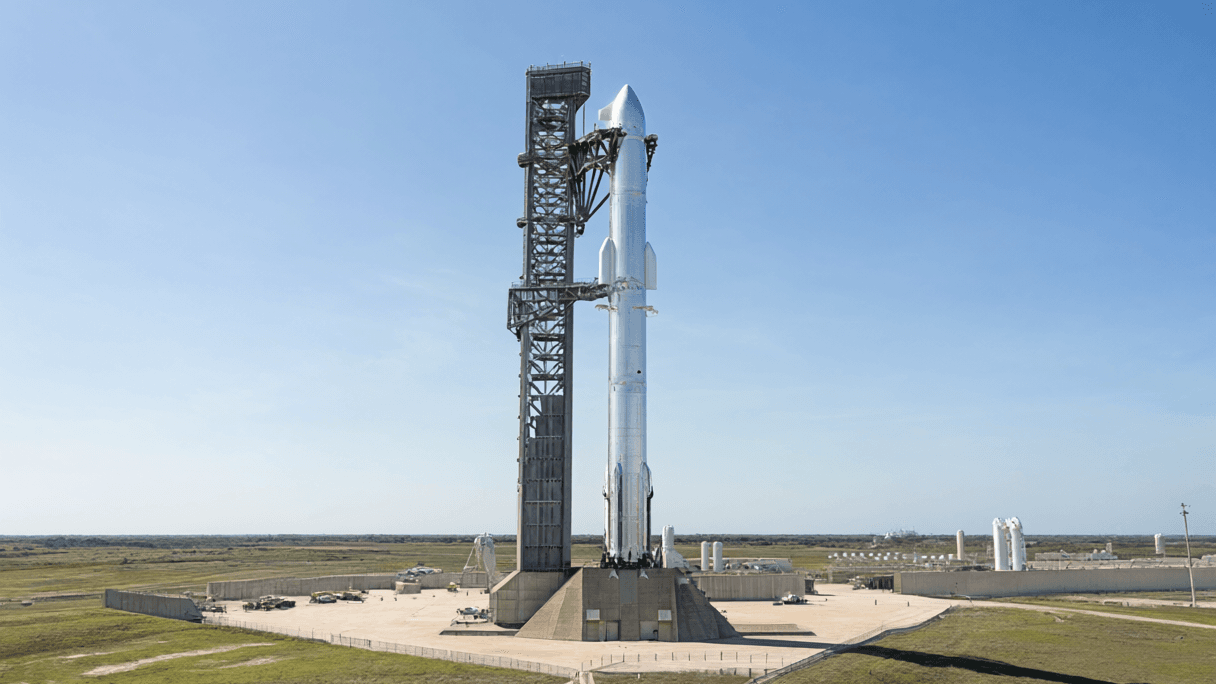
President Trump's new space transportation policy targets 1,000 annual launches by 2030, shifting the focus to federal land carve-outs and infrastructure funding.
Backed by a $1 billion Series C, the SpaceX-alumni startup aims to disrupt defense primes, but the real test remains whether its Blackbeard missiles can actually scale.
New Zealand's security agency reports that Chinese entities are leveraging space investments to establish intelligence-gathering capabilities on local soil.
New Zealand's security agency reports attempts by a Beijing-linked organization to install ground-based space infrastructure for military intelligence gathering.
By absorbing a sensor specialist with classified access and steady revenue, Joby Aviation is diversifying away from the long road to air taxi certification and toward high-margin defense contracts.
The U.S. Department of Defense is funding a massive expansion of Sila's Washington state facility to reduce reliance on Chinese graphite supply chains.
A phishing attack on a specialized connector manufacturer highlights the precarious nature of storing export-controlled technical data on commercial M365 stacks.
A massive $1.37 billion funding round signals investor confidence in Hadrian's plan to rebuild the defense industrial base, but the scale of the mission remains the central question.
The Department of Veterans Affairs is deploying an 'army' of AI agents via a massive Salesforce contract, even as Oracle secures a separate DoD win worth nearly $7 billion.
A massive new agentic AI contract signals a shift in procurement strategy at the Department of Veterans Affairs, even as Oracle secures a separate multi-billion dollar DoD win.
The Pentagon is scaling its National Security Space Launch program to over $30 billion to support expanding satellite constellations and the proposed Golden Dome shield.
By tripling the ceiling on Lane 1 procurement, the Pentagon is moving beyond experimental prototypes toward a high-cadence architecture to support massive new constellations and the 'Golden Dome' shield.
As the Pentagon moves to dissolve the Space Development Agency, technical problems and launch gaps are slowing satellite deployment amid daily missile launches against the joint force in Operation Epic Fury.