
Google's Orbital Compute Ambitions Hit a Launch Bottleneck

AI-generated image · US National Wire
A new prototype satellite tests Google's TPU in space, but a white paper reveals the massive SpaceX launch volume required to make orbital data centers viable.
Google has launched a prototype orbital compute satellite via a SpaceX rocket from California to test whether its Tensor Processing Unit (TPU) can function in space, as TechCrunch first reported. According to TechCrunch, the satellite was built by Planet Labs and is part of "Project Suncatcher," an initiative led by Google executive Travis Beals to develop large-scale orbital compute clusters.
The prototype will test cooling and power systems by running models in 15-minute bursts. While Google and Planet Labs plan a more advanced two-satellite demo next year featuring laser communications, Beals describes the broader goal as a "long-term moonshot": an orbital data center consisting of 81 satellites processing in parallel.
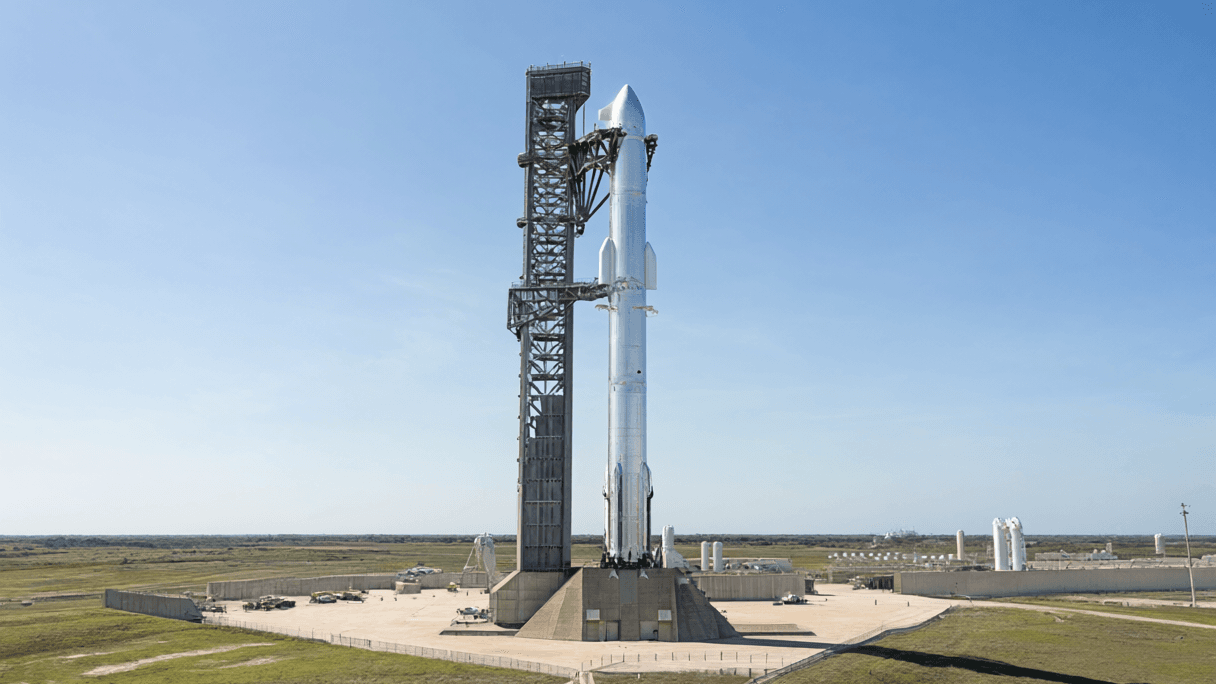
However, the infrastructure required to scale this vision is daunting. In a peer-reviewed white paper to be published in *Joule*, Google researchers analyzed the cost-reduction trajectory needed for such a network. TechCrunch reports that for launch prices to drop to approximately $200 per kilogram by 2035, SpaceX's Starship would need to deliver 370,000 tons of payload into orbit.
This would require roughly 1,800 launches over the next decade—averaging 180 flights per year—assuming a 200-metric-ton payload per mission. This represents a significant leap for a vehicle that TechCrunch notes has never flown more than five times in a single year. While Elon Musk has suggested Starship could reach an hourly flight rate by 2029, Google's analysis highlights the gap between current capabilities and the requirements for a viable space-based compute economy.