
The Signal in the Noise: UK's New Space Squadron Pivots to Electronic Warfare

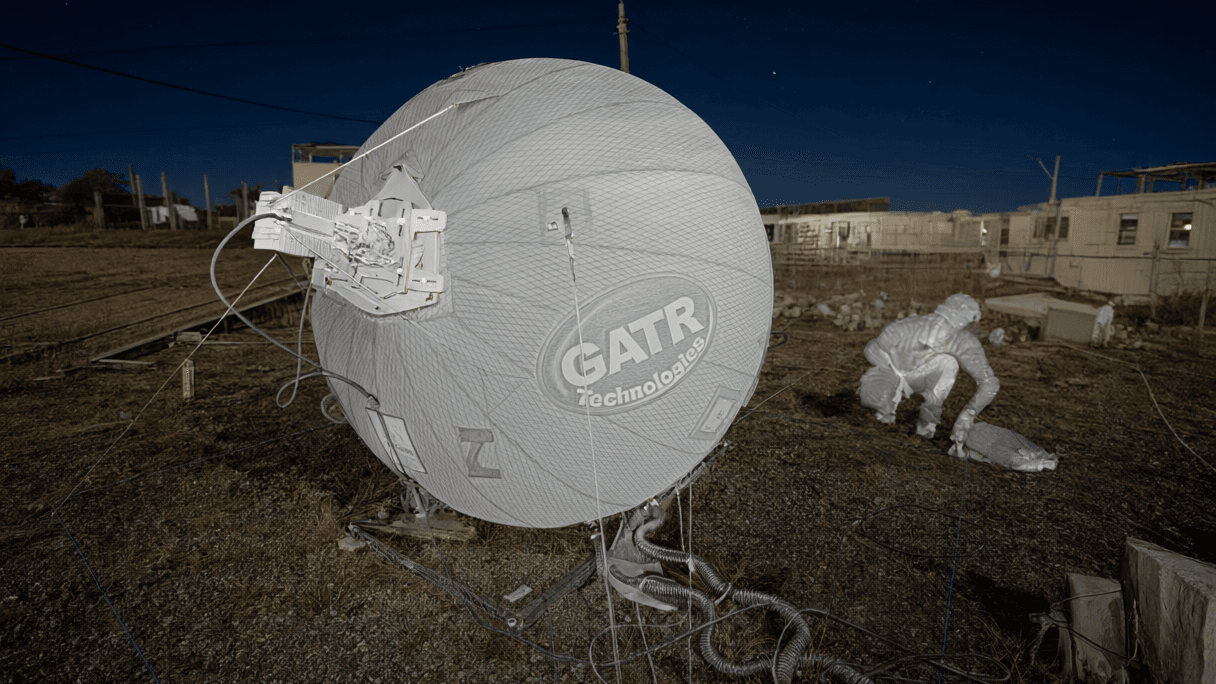
AI-generated image · US National Wire
By establishing No. III Space Effects Squadron, the MoD is opting for disruption over destruction to secure orbital assets.
When looking at the UK's orbital strategy, the money and the mandates are moving away from kinetic escalation. As first reported by The Register, the recent debut of No. III Space Effects Squadron, announced by Air Chief Marshal Sir Harvey Smyth at the UK Space Power Conference in London, marks a definitive shift in how the Royal Air Force (RAF) intends to handle hostile threats in space.
The RAF has already put No. I Space Operations Squadron and No. II Space Warning Squadron in place to monitor and warn of orbital threats. However, the MoD specifies that No. III Space Effects Squadron is the unit tasked with the ability to actually act.
The mechanism for this action is the key. The UK lacks anti-satellite missile systems and has limited launch facilities. More importantly, The Register reports that the UK government has formally ruled out destructive anti-satellite missile testing, opting instead to collaborate with the UN Committee on the Peaceful Uses of Outer Space.
Instead of missiles, the MoD is leaning into "advanced technology," specifically electronic warfare. The goal is to "disrupt, degrade and deny hostile actions." In practical terms, this suggests a reliance on ground-based jamming systems to neutralize foreign satellites without creating the debris clouds associated with kinetic strikes—a significant concern given that Russia and China have previously destroyed satellites, forcing the International Space Station to perform avoidance maneuvers.
This pivot to low-cost, non-kinetic disruption is a necessity driven by the criticality of space assets. The MoD notes that satellites are essential for intelligence gathering, missile warnings, telecoms, and weather forecasts. Beyond the military, The Register reports that energy networks rely on satellite time coding to synchronize power grids, and emergency services depend on satellite navigation for responses.
While a MoD spokesperson told The Register that further details on capabilities are classified, the strategic direction is clear. The squadron will support both offensive and defensive operations and is expected to grow as new capabilities enter service. This includes ongoing work between the MoD and the UK Space Agency to develop technology capable of detecting when lasers are used to dazzle satellites and disrupt communications.
By focusing on electronic warfare, the UK is positioning itself to counter threats—including the high-power microwaves and lasers being explored by China—without violating the US-led 2022 UN resolution against anti-satellite missile tests. The transition of the RAF headquarters at High Wycombe into Air and Space Command underscores that for the MoD, the future of orbital defense is about signal interference, not missile silos.