
Benchmark's First Defense Bet Signals Shift Toward Attrition Hardware

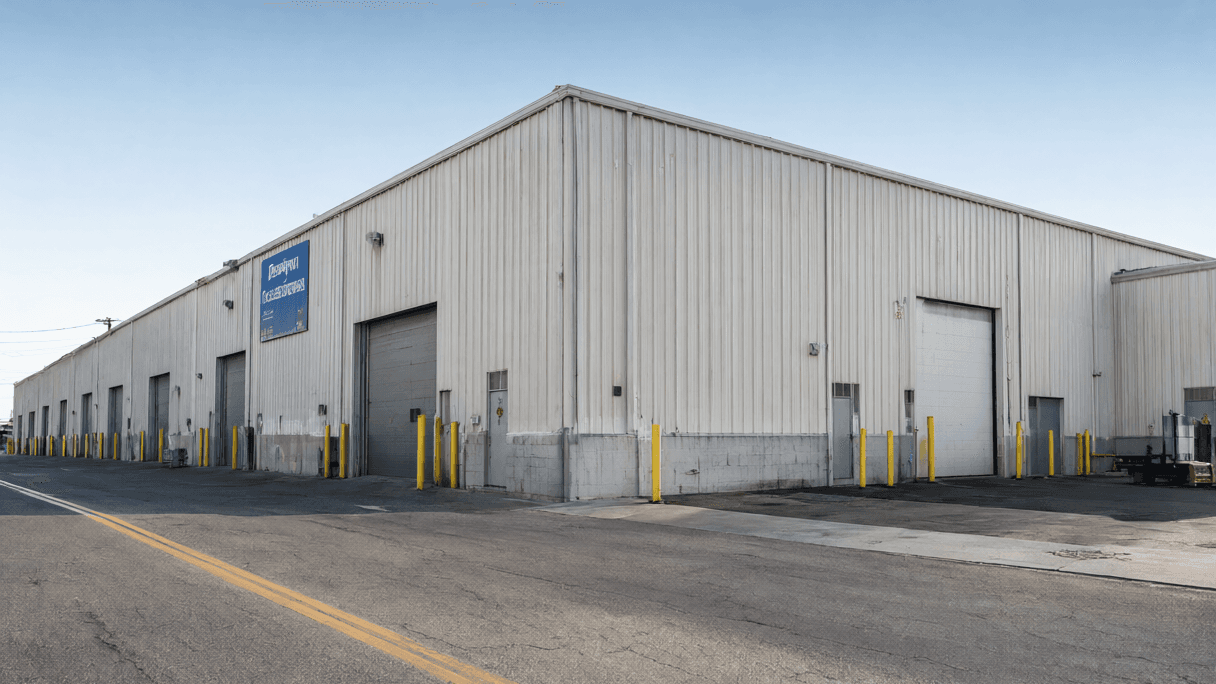
AI-generated image · US National Wire
The storied VC firm's investment in Furientis highlights a growing appetite for low-cost, mass-produced weaponry over traditional, 'exquisite' defense systems.
For years, Silicon Valley venture capitalists largely avoided the defense sector, deterred by moral concerns and the sluggish, uncertain nature of government contracting. However, as TechCrunch first reported, conflicts in Ukraine and Iran have depleted the U.S. military's missile supplies, shifting the appetite toward startups that can deliver hardware rapidly and affordably.
In a notable pivot, Benchmark has placed its first bet on a pure defense startup by leading a $25 million seed round for Furientis. The startup, which is just one year old, is focused on the mass production of interceptor missiles. A person familiar with the company indicates that Furientis carried a valuation of $125 million. This funding follows a $5 million pre-seed round announced in May.
Benchmark general partner Chetan Puttagunta told TechCrunch that the company's efficiency was "remarkable," noting that Furientis manufactured prototypes and conducted a dozen launches using only the $5 million pre-seed funding. This velocity stands in contrast to the high-cost, slow-moving models utilized by traditional defense primes like Lockheed Martin and Raytheon.
Furientis was co-founded by Aris Simsarian, who previously led rocket engine testing at Virgin Orbit, and Brody Franzen, a former deputy chief engineer at Virgin Galactic and veteran of the hypersonic missile startup Castelion (which is valued at $13 billion). Franzen told TechCrunch that the company was founded to address a critical shortage of interceptors. He noted that while the U.S. Navy receives only 300 to 500 interceptor missiles annually, China claims to produce 3,000 anti-ship cruise missiles per month, leaving the U.S. outproduced by a factor of over 100.
Rather than attempting to match the performance of "exquisite" missiles—which Franzen says can cost roughly $3 million each—Furientis is designing systems using readily available components to keep costs low and assembly fast. The company currently operates out of a Los Angeles facility and conducts trial launches at White Sands, New Mexico, testing its missiles on a bi-weekly basis. The long-term goal is to produce 1,000 systems per year in each factory.
While Franzen acknowledges that other defense startups, including Shield AI, Castelion, and Anduril, are also racing to build mass-produced interceptors, Puttagunta told TechCrunch he believes there is still ample opportunity for more companies to enter the sector.