
The LEO Subsidy Game: NASA Opens the Checkbook for ISS Successors

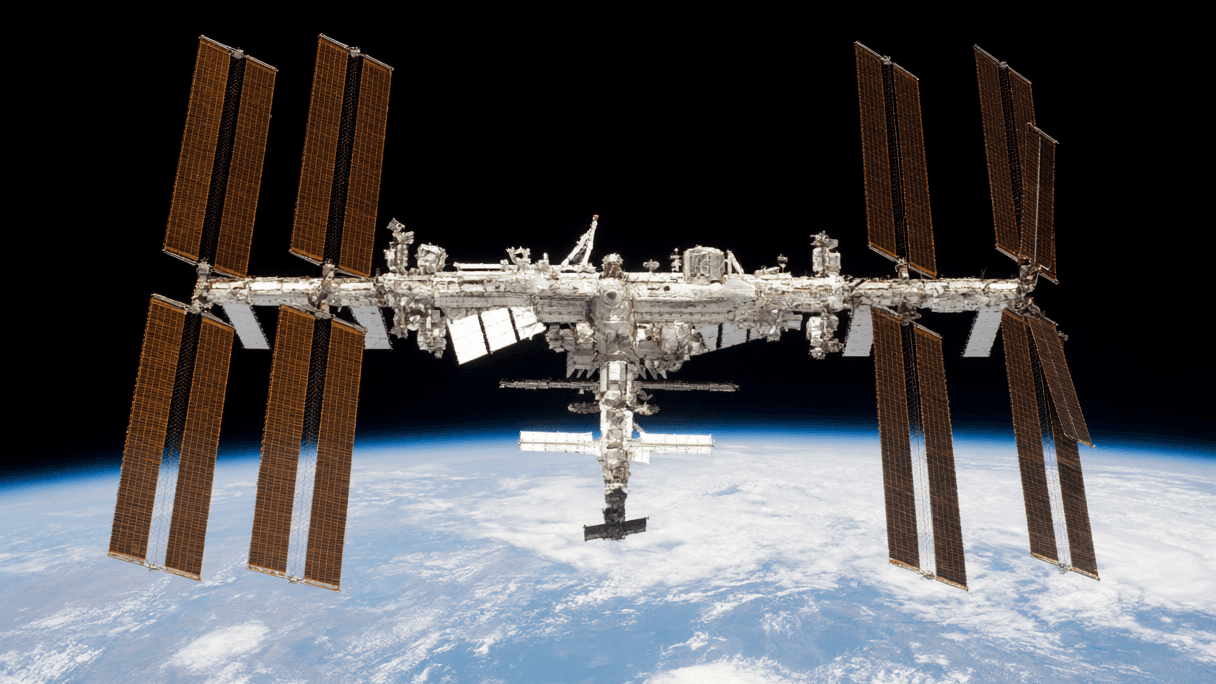
AI-generated image · US National Wire
With a new RFP for private space stations, NASA is shifting the financial burden of transportation to ensure a human presence in orbit—but the victory may belong to the legacy primes.
NASA has finally signaled that it is not prepared to let the American presence in low-Earth orbit (LEO) vanish along with the International Space Station. As Ars Technica first reported, the agency has issued a formal request for proposals (RFP) to the commercial space industry to develop private space stations, a move that transforms the financial landscape for orbital infrastructure.
According to the reporting, the solicitation aims to establish a successor to the ISS as early as 2030. NASA Administrator Jared Isaacman stated that the agency will not give up its presence in LEO, noting that commercial stations will allow NASA to focus its resources on "near-impossible missions" to Mars and the Moon while maintaining a venue for research, crew training, and technology development.
### The Financial Stakes For the companies entering this fray, the immediate rewards are modest, but the long-term trajectory is massive. Ars Technica reports that winners of Phase 1 will be guaranteed at least $100 million. However, the real capital arrives in subsequent stages: Phase 2, beginning next year, will provide funding for the certification and development of the stations, and Phase 3 will involve the purchase of at least four NASA astronaut missions. While the initial phase is a proving ground, NASA has indicated that future phases of the contract will be worth billions.
### The Transportation Pivot While the funding is the headline, the mechanism of delivery is where the real story lies. For months, the industry has been haunted by a transportation vacuum. SpaceX, currently the only operator of a functional U.S. crew vehicle, has indicated it intends to retire the Crew Dragon around the time the ISS is deorbited (estimated between 2030 and 2032). Additionally, SpaceX has not made seats available for purchase by private station operators.
Initially, NASA suggested that contractors would be responsible for securing their own end-to-end transportation. In a stark reversal, the new RFP removes this hurdle. Ars Technica reports that bidders are no longer required to provide a letter of intent or a signed contract with a transportation provider. More importantly, NASA has offered to "furnish" transportation for the first four service missions.
This pivot effectively turns NASA into a broker for the legacy primes. Just two weeks prior to the RFP, NASA provided $359 million to Boeing to support the certification of the Starliner spacecraft. By offering to handle the transportation logistics, NASA is shielding newcomers from the prohibitive cost of securing launch services—costs that NASA has now explicitly quantified. The agency estimates that by 2030, a four-seat crew flight will cost $325 million, while a cargo flight will cost $300 million.
### The Contenders: Newcomers vs. Legacy As the December 8 deadline for responses approaches, the field is divided between aggressive newcomers and established players.
* **Axiom Space:** Positioned as a frontrunner, Axiom claims its experience in developing orbital hardware and executing human spaceflight missions makes it the "clear choice" for NASA's objectives, according to a company spokesperson cited by Ars Technica. * **Voyager Space:** Marshall Smith, CEO of Voyager's Starlab station, stated that the company possesses the "strongest business plan and technical solution" to serve as the ISS successor. * **Vast Space:** Currently integrating its Haven-1 project, Vast is positioning itself to build a multi-module station capable of supporting a continuous human presence. * **Blue Origin:** While the company won funding in a previous round, Ars Technica notes that questions persist regarding Blue Origin's actual commitment to the program. * **SpaceX:** Despite its dominance in launch, SpaceX appears unlikely to bid on the station infrastructure itself at this time.
NASA intends to select "two or more" contractors in this phase, with a final decision expected in April. By absorbing the transportation risk and providing a guaranteed revenue stream for the first four missions, NASA is effectively subsidizing the birth of a commercial LEO economy. The question remains whether these newcomers can scale their operations, or if the structure of the deal simply ensures that Boeing and other legacy providers remain the primary beneficiaries of the orbital checkbook.