
Trump Policy Mandates Federal Land Search for 'Super Heavy' Launch Sites

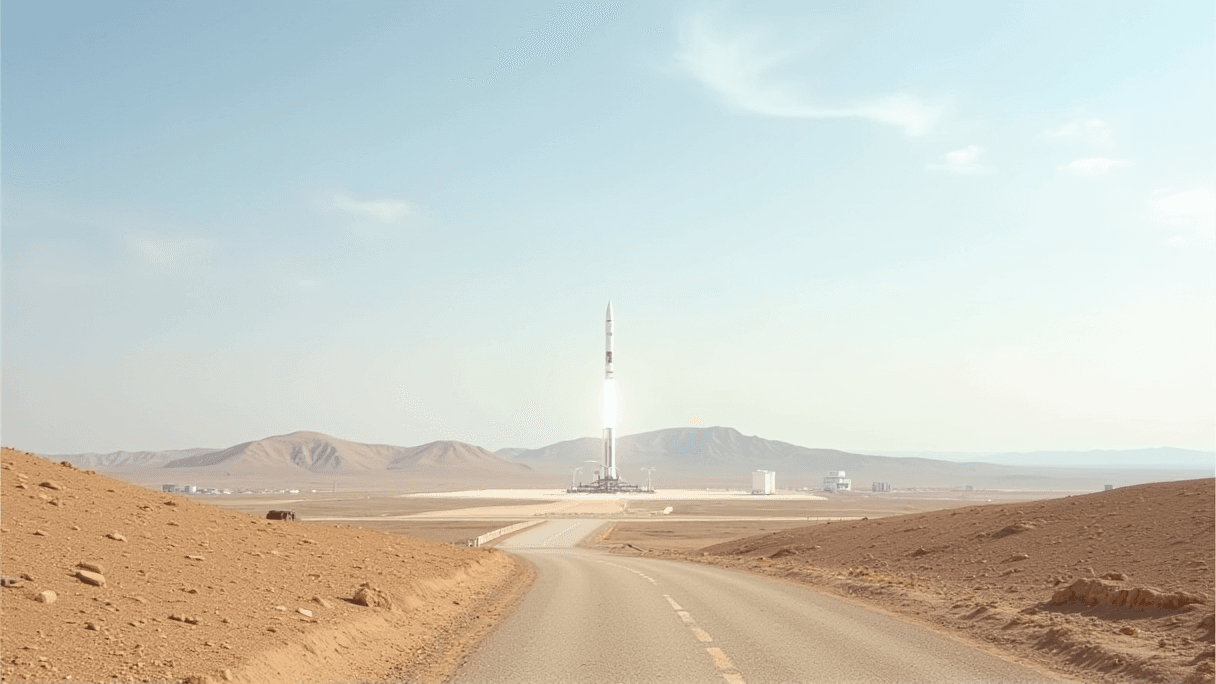
AI-generated image · US National Wire
New national space transportation policy directs NASA and the Pentagon to scale infrastructure for 1,000 annual launches by 2030.
As Ars Technica first reported, President Donald Trump has signed a new national space transportation policy aimed at expanding U.S. launch capacity to handle more than 1,000 annual launches and reentries by 2030. The policy replaces a 2013 Obama-era directive and calls for the Pentagon and NASA to coordinate infrastructure investments to increase flexibility at federal ranges.
Central to the policy is the expansion of heavy-lift capabilities. While Cape Canaveral Space Force Station and NASA’s Kennedy Space Center in Florida, and Vandenberg Space Force Base in California, are currently the only sites equipped for heavy-lift launches, the administration is seeking more. Ars Technica reports that the White House has directed the Department of the Interior to identify federal lands for a new reentry site. This follows a May House Armed Services Committee hearing where Air Force Secretary Troy Meink stated the U.S. likely needs another site capable of "heavy and super heavy launch capability" to address geographic resiliency and space limitations at the Cape.
While the government evaluates federal land, private capital is already moving. Ars Technica notes that SpaceX is constructing Starship launch pads on federal property at Kennedy Space Center and Cape Canaveral, in addition to its Starbase facility in Texas and planned developments in Louisiana. Other firms, including Astra and Rocket Lab, are developing portable infrastructure to support the policy's goal of responsive launches from "expeditionary locations."
To manage the projected surge—driven by military and commercial demand for orbital data centers, space-based targeting, and surveillance—the policy mandates that NASA and the military regularly publish range schedules to ensure transparent resource allocation.