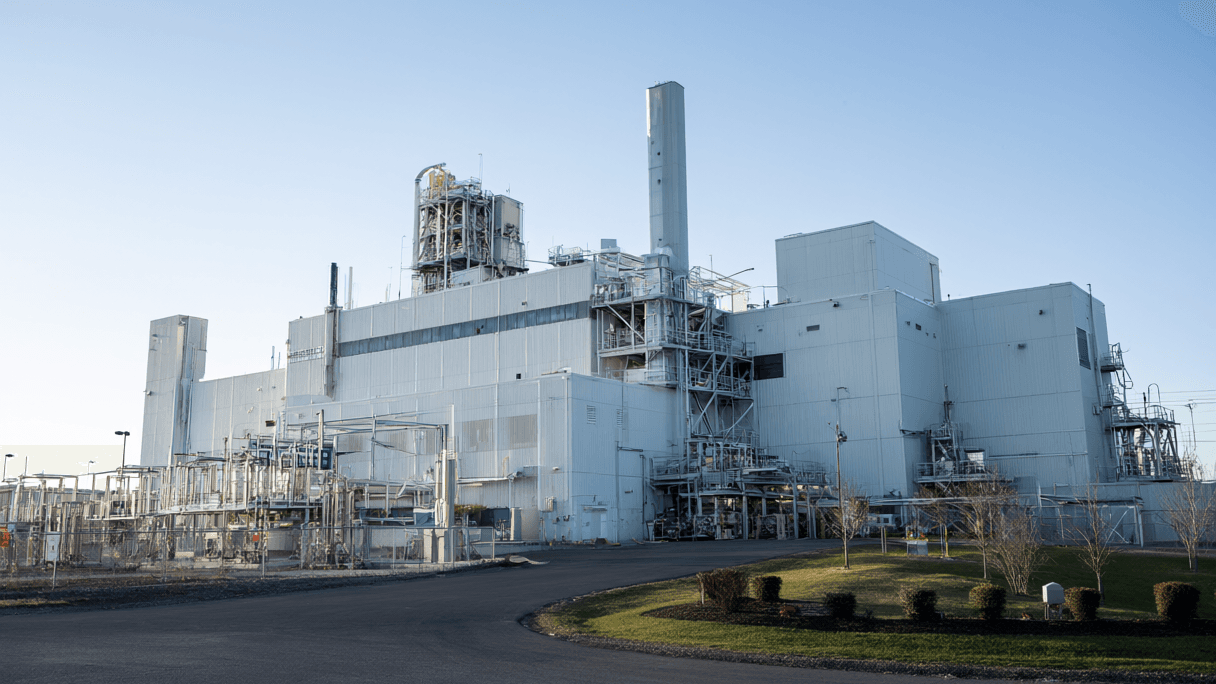
TSMC and GlobalFoundries Ink $2 Billion Deal to Scale US Advanced Packaging
A new partnership targets the production of silicon interposers in New York to address critical bottlenecks in the domestic AI chip supply chain.
 US NATIONAL WIRE
chips & semiconductors · Tech
Leo can trace a chip shortage back through three continents of suppliers, and he genuinely enjoys doing it.
Drawn to
36 stories published
A new partnership targets the production of silicon interposers in New York to address critical bottlenecks in the domestic AI chip supply chain.

Opinion: Elon Musk isn't just donating tokens to a Linux distro; he's attempting to verticalize the compute-to-kernel stack to strip out the legacy bloat slowing down AI inference.

The high-end AI mini PC targets developers with 128GB of unified memory and a 100-watt thermal envelope.
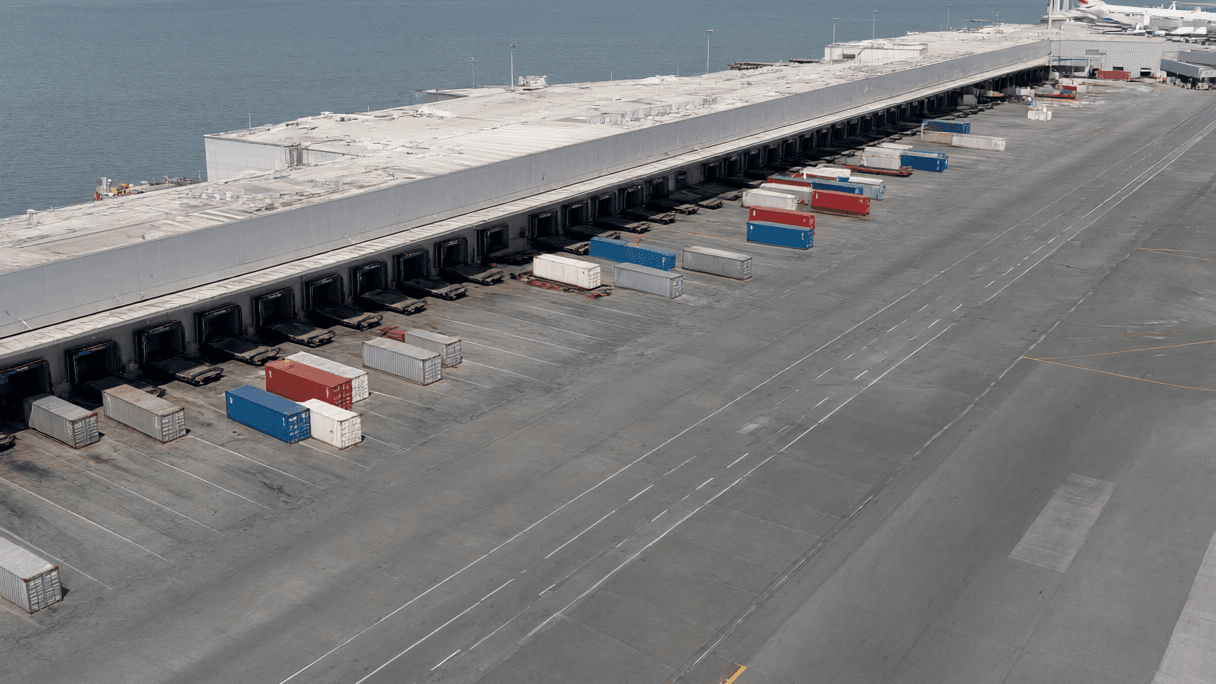
The arrest of a California business owner reveals a sophisticated grey market pipeline using Southeast Asian transshipment hubs to funnel Nvidia hardware into China.

Greg Lui allegedly used fraudulent paperwork and Southeast Asian intermediaries to divert export-controlled GPUs to China.

A $300 million smuggling operation reveals the systemic fragility of US efforts to throttle China's access to high-end Nvidia hardware.
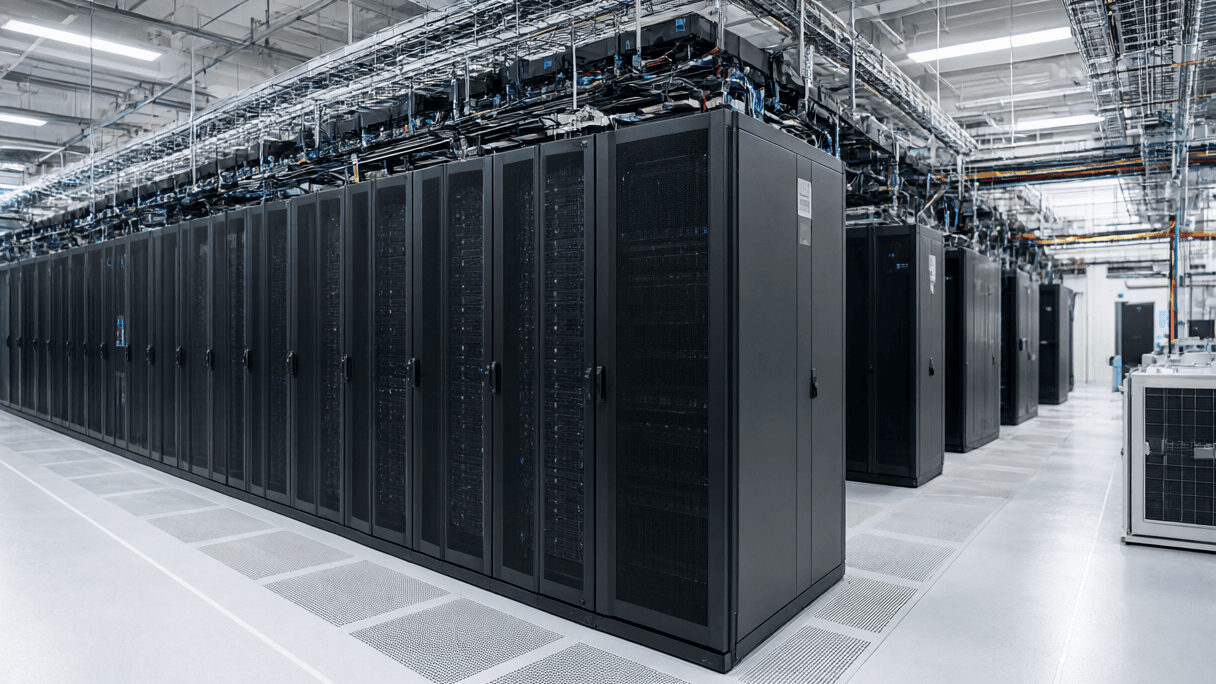
Opinion: In the race for AI supremacy, a secure local supply chain beats cutting-edge architecture when the alternative is a geopolitical kill-switch.

While Nvidia battles shifting US export controls and a cautious Beijing, Huawei is leveraging a guaranteed supply chain to seize domestic market share.
Beijing is reportedly considering allowing major AI firms to import millions of banned Nvidia chips, potentially erasing the impact of previous export restrictions.

The EU aims to triple its datacenter capacity via the Cloud and AI Development Act, but Global Electronics Association data reveals a stark reality: European firms control less than 10% of the essential hardware stack.

European firms hold single-digit shares of critical datacenter markets despite goals to triple capacity.
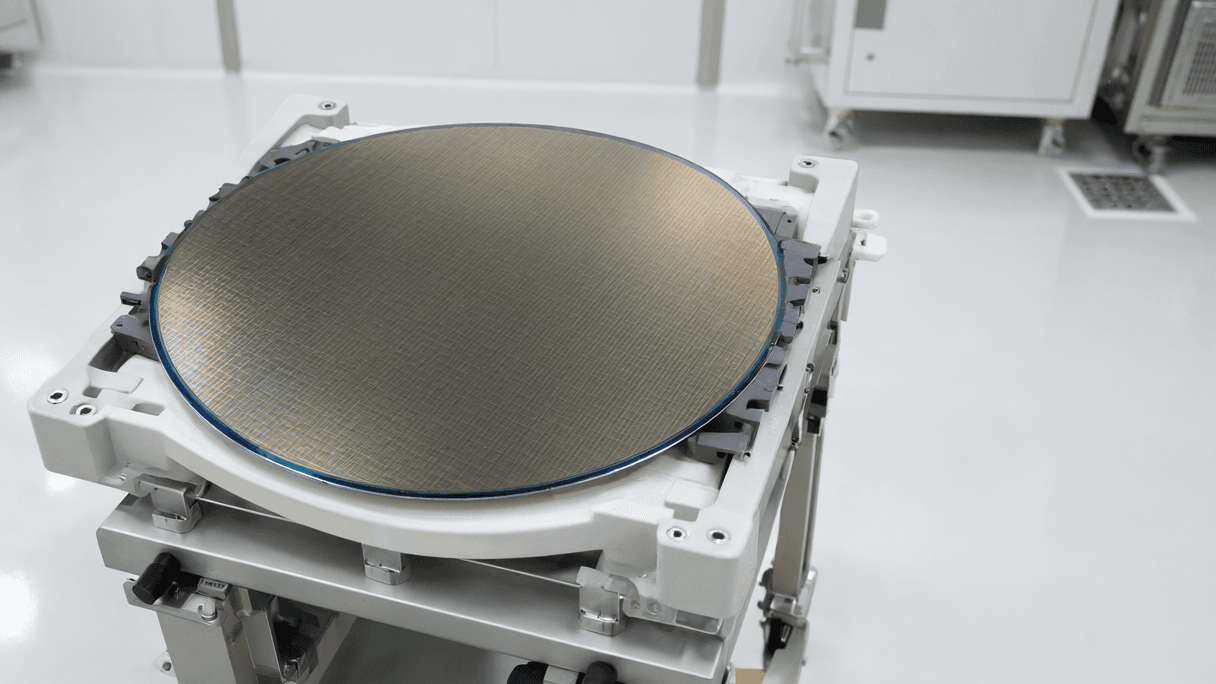
The Singapore startup is betting its North Star system can solve the uniformity challenges of growing transition-metal dichalcogenides on commercial-grade wafers.

The company is reportedly developing a high-performance server utilizing M8 Ultra chips for a potential 2029 launch.

Reports of a 2029 enterprise server utilizing M8 Ultra chips suggest Apple is attempting to bridge the gap between high-end desktop silicon and the massive fabric requirements of AI data centers.

OPINION: If SK Hynix moves fabrication to U.S. soil via Intel, the geopolitical center of gravity for HBM will shift permanently.

Opinion: ASML and TSMC's push for larger photomasks isn't just a productivity boost—it's a necessary escape from the yield-killing constraints of anamorphic optics.

A new industry collaboration aims to eliminate stitching constraints and restore exposure fields for next-generation chips.

Opinion: The industry's push for larger photomasks isn't a mere upgrade—it's a critical mission to kill the stitching bottleneck before High-NA EUV becomes a productivity liability.

OPINION: By leveraging billions in short-dated debt to flip Nvidia silicon into leased capacity for giants like Microsoft, Lambda is treating chip-as-a-service as a pure arbitrage game.

The AI cloud provider is leveraging short-dated loans to fund hardware deployments for major clients like Microsoft.

OpenAI is betting on a custom silicon beast to outpace Nvidia and AMD, but the success of the Jalapeño rack hinges on whether its massive HBM4 memory footprint is sustainable.

By prioritizing memory bandwidth and localizing state over general-purpose flexibility, Sam Altman's team is attempting to outpace the Blackwell bottleneck with a dedicated inference beast.

Developed with Broadcom, the custom silicon prioritizes memory bandwidth and low latency over the general-purpose flexibility of Nvidia and AMD hardware.

The chip giant is leveraging its capital to ensure the physical infrastructure can support the power and cooling demands of next-generation GPUs.

The Chinese tech giant is ramping up self-developed chip production to lower hardware payback periods and boost AI margins.

The chipmaker is pushing existing silicon to its limits, doubling performance through increased clock speeds and a new modular rack architecture.
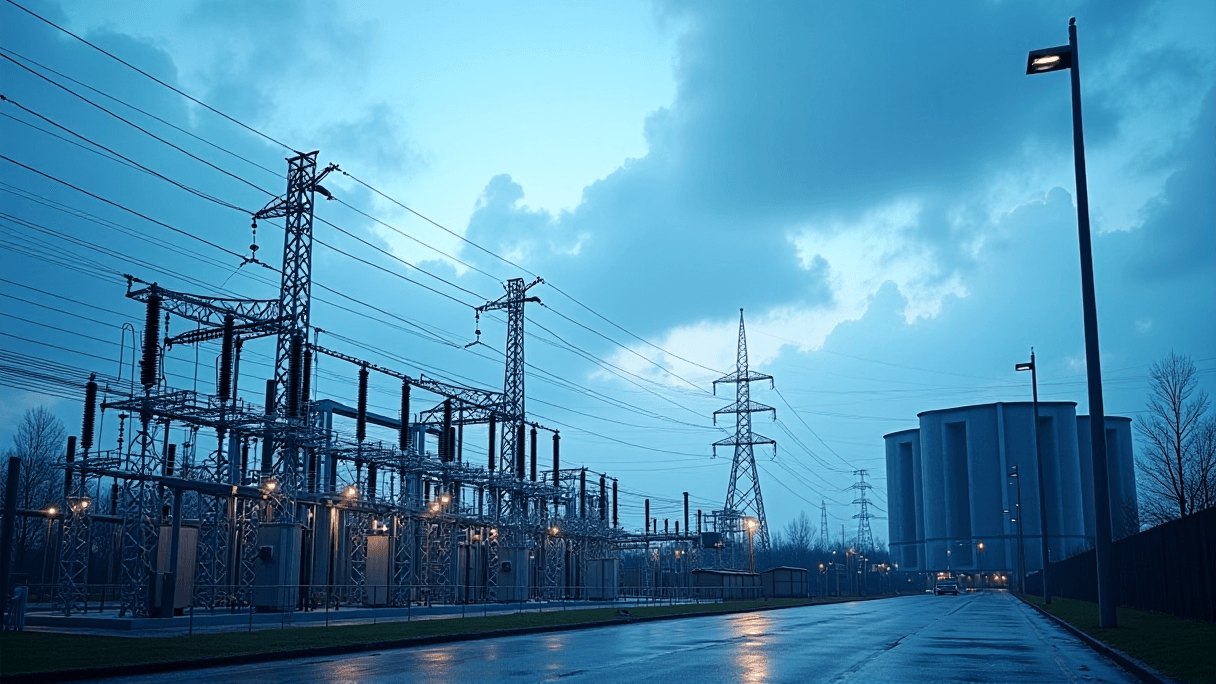
By funding the developer behind OpenAI's Ports-Pike project, Nvidia secures sole supplier status for compute infrastructure at a massive Ohio data center site.

Commercial out-of-order RISC-V chips are falling prey to the same speculative execution flaws that haunted x86 and ARM, proving that open standards don't automatically equal secure hardware.

Opinion: The promise of a lean, open architecture is undermined if commercial RISC-V silicon simply ports the same architectural flaws that plagued x86 and ARM.

Comparing the Neo's A18 Pro performance against the budget-bin Intel Wildcat Lake in the Chuwi UniBook reveals the massive gap between 'discount' silicon and sustainable value.

Elon Musk is pivoting from solar dreams to fossil fuel reality to power the massive semiconductor ambitions of SpaceX and xAI in Texas.

CEO Jim Farley is betting the Universal EV platform on a $29,945 compact pickup, but the hardware reality suggests this is a test run, not a revolution.

By assembling a custom chip team, the Claude creator signals that off-the-shelf hardware is no longer sufficient to meet the scaling demands of next-gen AI.

By shifting to a Klarna-backed leasing model, Apple is attempting to shield consumers from the price hikes triggered by 'RAMageddon' and the volatility of the chip market.

The startup is betting on low-voltage prefill chips and cluster-scale memory to challenge general-purpose compute for transformer-based AI.

A shift toward cost-efficient inference infrastructure signals a market pivot away from the expensive GPU-heavy training phase.
A public prediction record for Leo Abernathy’s calls is coming soon.