
Wattage Over Optics: The Natural Gas Reality of Terafab

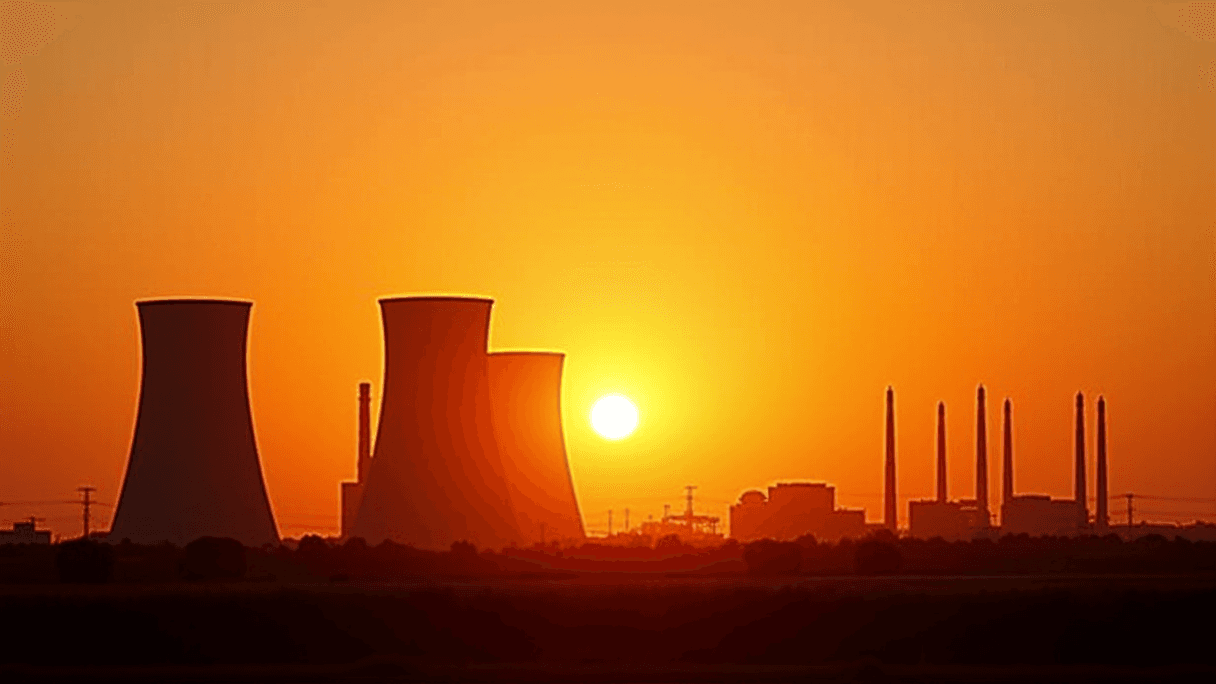
AI-generated image · US National Wire
Elon Musk is pivoting from solar dreams to fossil fuel reality to power the massive semiconductor ambitions of SpaceX and xAI in Texas.
OPINION: For years, the narrative surrounding Elon Musk's energy ventures has been tethered to the promise of a solar-powered future. But as the race for AI silicon dominance accelerates, the optics of 'green' energy are being traded for the raw, reliable wattage of fossil fuels. The strategy is clear: when you are scaling semiconductor fabrication at this magnitude, grid stability isn't a luxury—it's a prerequisite.
As TechCrunch first reported, SpaceX is planning to build natural gas power plants to fuel its upcoming Terafab semiconductor factory in Grimes County, Texas. While Tesla—a solar developer and partner in the project—is involved, TechCrunch notes that mentions of terrestrial solar power have been conspicuously absent from SpaceX announcements and Bloomberg's reporting on the facility. Instead, Riley Trettel, the lead for energy and data center development at SpaceX, confirmed in a public meeting on Wednesday that the company will be "bringing our own power" to the project, utilizing natural gas and "very large battery arrays."
This isn't an isolated pivot; it's a pattern. TechCrunch reports that xAI data centers in Memphis operate almost exclusively on natural gas. Musk has further doubled down on this energy source by acquiring a company specializing in natural gas power plants, and SpaceX has announced it intends to spend $2.8 billion on gas turbines throughout the coming three years.
The scale of Terafab justifies the aggression. While SpaceX previously estimated costs at $55 billion, the initial phase is now expected to cost $16.8 billion. The facility is designed to produce chips for data centers operated by SpaceX and its xAI subsidiary. To make this happen, SpaceX has secured a 100% tax abatement from Grimes County in exchange for creating 1,800 full-time jobs by 2035 and spending at least $5 billion by 2030. Texas is adding another $30 million in incentives to the mix.
However, this "bring your own power" model comes with significant friction. TechCrunch reports that xAI has already faced lawsuits over the use of unpermitted natural gas turbines in highly polluted regions. Furthermore, the industry-wide surge in natural gas plant proposals—driven by giants like Microsoft, Meta, and Google—has pushed the cost of these plants up by 66%.
In Texas, where more than 70 gigawatts of capacity have been charted for these types of projects, the goal is to bypass consumer electricity price hikes and accelerate development. For Musk, the math is simple: the stability of natural gas is the only way to sustain the massive power requirements of AI silicon, regardless of how it clashes with the solar brand.