
Nexstrom Targets the 2D Material Scaling Gap

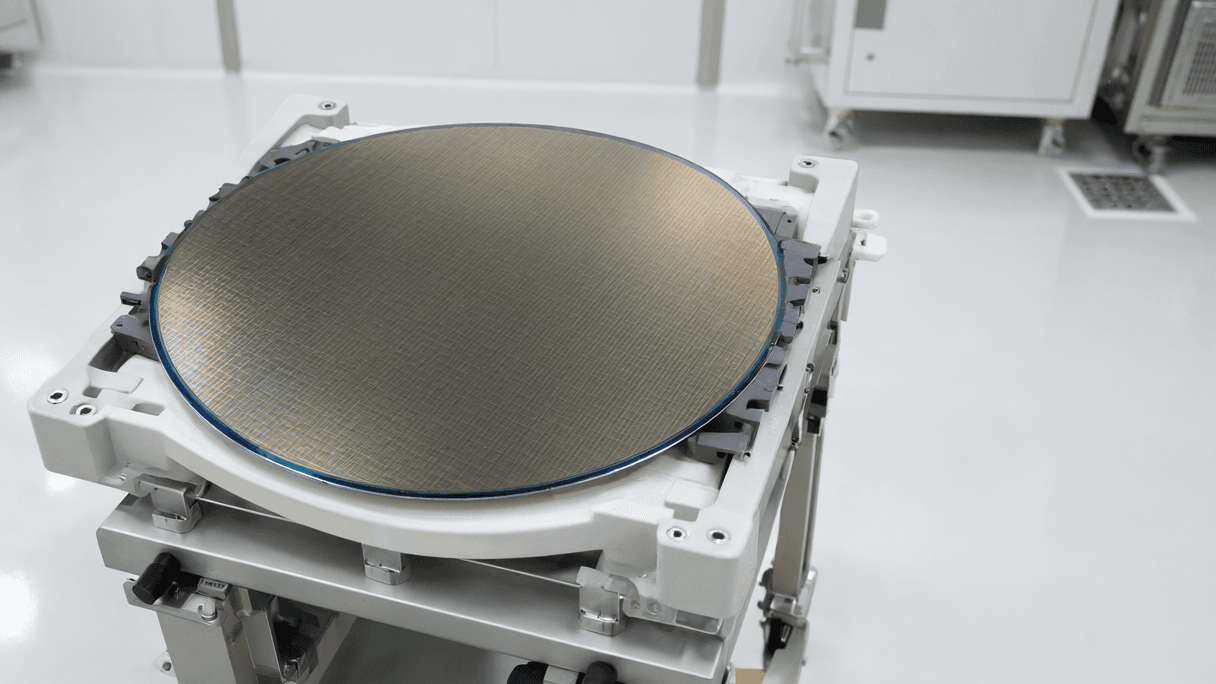
AI-generated image · US National Wire
The Singapore startup is betting its North Star system can solve the uniformity challenges of growing transition-metal dichalcogenides on commercial-grade wafers.
While industry giants like Intel, TSMC, and Belgium's IMEC are exploring the integration of two-dimensional (2D) materials into transistors to combat silicon's leakage and heat issues, the primary hurdle remains production at scale. As TechCrunch first reported, most high-quality 2D materials are currently limited to small-scale laboratory environments.
Singapore-based Nexstrom, an incubator project from Xora Innovation, aims to bridge this gap with its North Star product. The system is designed to grow transition-metal dichalcogenides (TMDs)—materials only a few atomic layers thick—directly onto 300mm (12-inch) wafers. Nexstrom co-founder and chief scientist Lance Li, a former TSMC researcher in post-silicon electronics, noted that the company is focusing on the transition from small-scale lab results to industrial viability.
CEO Phoebe Tan told TechCrunch that the company has already demonstrated material results on 12-inch wafers and has systematically scaled production from 2-inch to 6-inch wafers, with plans to finalize 8-inch and 12-inch capabilities by the end of October. The company's goal is to sell this technology or partner with foundries rather than competing with them.
To fund this development, Nexstrom recently raised a $12 million seed round from SEEDS, Foothill Ventures, and Xora, bringing its total funding to $15 million. Tan stated that these funds will support team expansion, qualification programs, and improvements to measurement and process control. Nexstrom anticipates its equipment will be prepared for commercial-scale production in the window between 2030 and 2035.