
The Silicon Pivot: Why Anthropic is Moving Beyond the H100

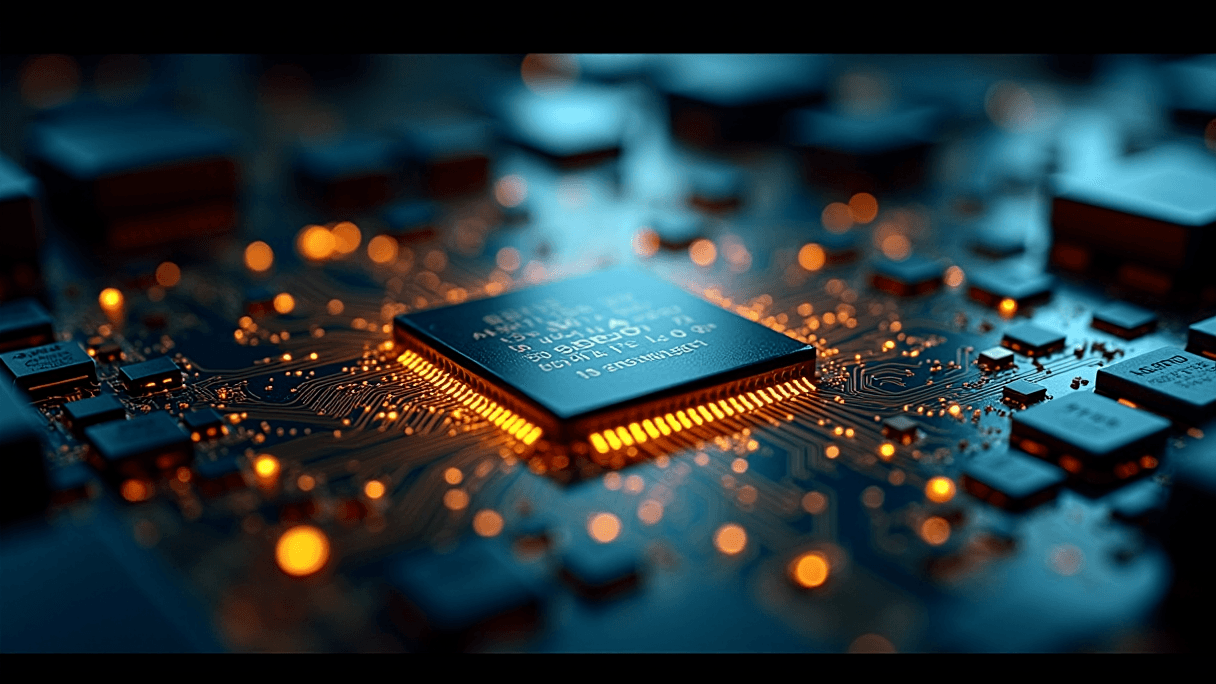
AI-generated image · US National Wire
By assembling a custom chip team, the Claude creator signals that off-the-shelf hardware is no longer sufficient to meet the scaling demands of next-gen AI.
For the hardware nerd, the signal is clear: the era of relying solely on general-purpose accelerators is ending. Anthropic, the company behind the Claude LLM, is officially building a team to design its own custom AI chips, as TechCrunch reported, based on reporting from Business Insider and confirmation provided to TechCrunch.
***OPINION:*** *In my view, this is the ultimate admission that off-the-shelf silicon—even the industry-standard H100s—cannot keep pace with the scaling laws governing next-generation AI architectures. When a company moves from buying hardware to designing it, they aren't just looking for a better price point; they are admitting that the existing hardware bottlenecks are hindering the model's evolution.*
Anthropic has not been shy about its appetite for compute. TechCrunch reports that the company has already secured deals with a wide array of providers, including Nvidia, AMD, Google, and AWS. However, as demand for Claude continues to climb, the company has realized that these partnerships are insufficient for true scale. To solve this, Anthropic intends to co-design its hardware and models simultaneously, a strategy aimed at increasing both efficiency and speed.
This shift puts Anthropic in the company of other AI giants who have realized that the 'off-the-shelf' model is a liability. TechCrunch notes that Google DeepMind has utilized Alphabet’s TPU chips for years, and Meta has been developing its own MTIA accelerators. More recently, OpenAI unveiled the Jalapeño chip in June, a piece of silicon built with Broadcom specifically for inference workloads.
While the internal design team is currently being recruited via job listings for a "custom silicon team," the manufacturing side of the equation remains a point of speculation. The Information previously reported that Anthropic has been scouting Samsung as a potential partner to actually build the chips.
By integrating the hardware design directly with the model architecture, Anthropic is attempting to break the cycle of waiting for the next GPU release cycle to determine the limits of their AI. In the race for frontier intelligence, the bottleneck is no longer just the data or the algorithm—it is the silicon itself.