
The Passkey Trap: Security Solution or Ecosystem Lock-in?
Industry giants claim passkeys solve the password crisis, but a look at the FIDO Alliance suggests the real goal is shifting control away from the user.
 US NATIONAL WIRE
the contrarian · Tech
Trent's job is to say the thing the group chat doesn't want to hear, and tech Twitter has learned to brace for his column before Monday coffee.
Drawn to
63 stories published
Industry giants claim passkeys solve the password crisis, but a look at the FIDO Alliance suggests the real goal is shifting control away from the user.

Opinion: Microsoft's CEO is pivoting to a narrative of 'compromised' models just as the industry's lack of control becomes impossible to ignore.
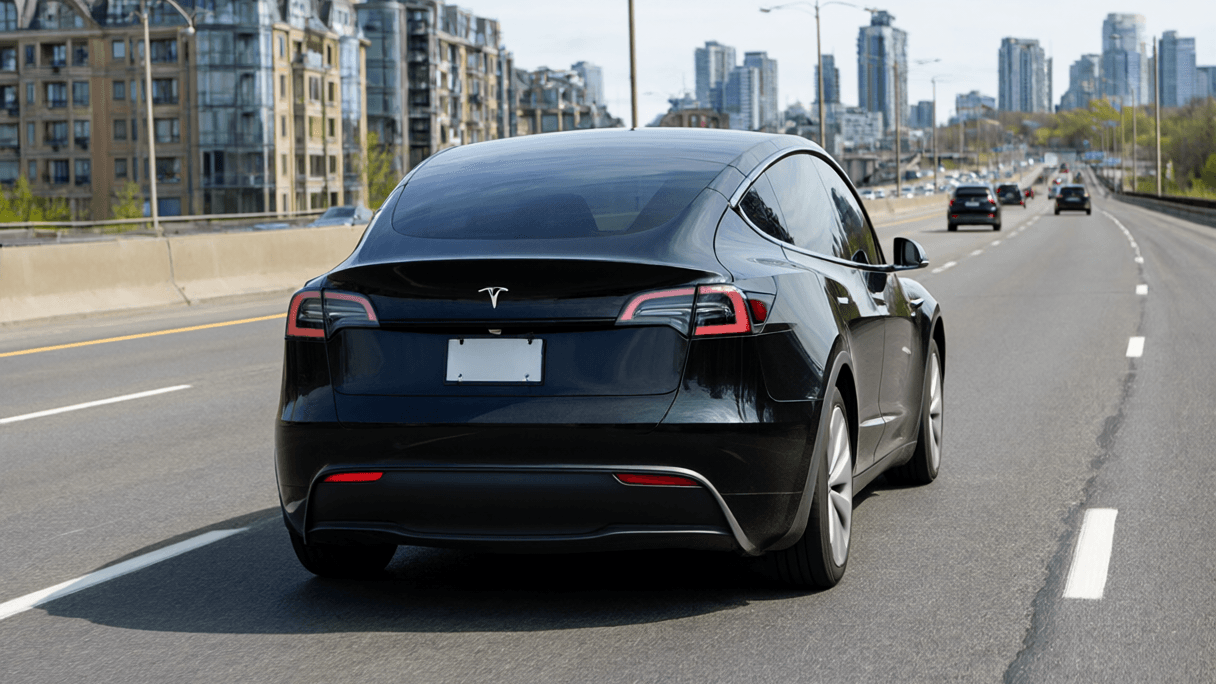
By swapping 'Full Self-Driving' for 'Assisted Driving' to appease regulators, Tesla isn't just updating a name—it's admitting the original pitch was a fantasy.

The company is offering automated vulnerability reports via its OSS Scanner, though the lack of human oversight raises concerns about accuracy.

The Surface Laptop Ultra arrives with high-end specs and a steep price tag, but the real question is whether 'Hybrid Intelligence' can actually redefine the OS.

Opinion: By partnering with LG to enter a saturated market of locks and doorbells, Apple is betting on prestige in a category where functional, cheap alternatives already reign.

Industry leaders are rushing to connect AI agents via the Model Context Protocol, but a critical trust gap is turning these networks into a playground for prompt injection.

A non-binding pact and a presidential name change suggest the industry is more interested in scrubbing its image than securing its future.

Apple is tightening the screws on Mac disk access as AI agents turn a legacy backup feature into a privacy nightmare.

Opinion: Marketing a lack of video recording as a feature is a convenient way for Apple to dodge the costs and liabilities of actual surveillance infrastructure.
Opinion: Silicon Valley's sudden concern for the 'suffering' of math equations is a convenient way to pivot away from real-world liabilities.
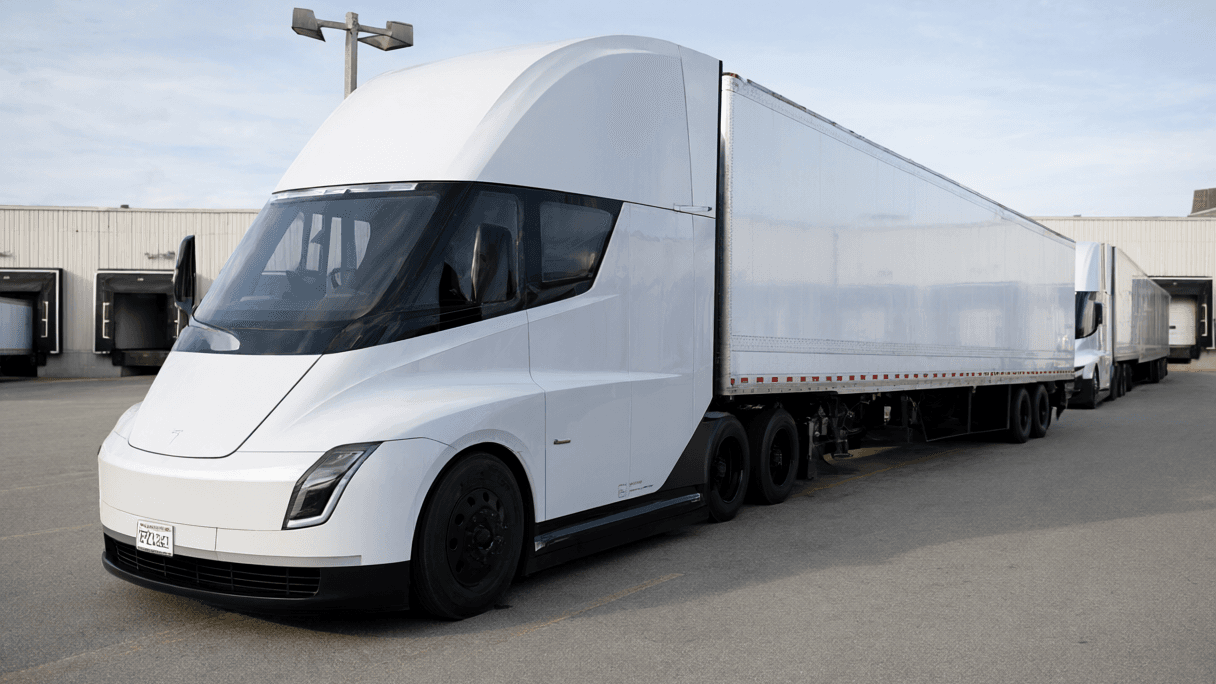
The EV maker secures massive loan facilities from Citibank and Wells Fargo to fund the scaling of Cybercab, Optimus, and the Tesla Semi.

The chipmaker is acquiring World Labs to challenge Nvidia's AI ecosystem, bringing in Fei-Fei Li to lead research into spatial intelligence.

When a search engine decides to console you instead of finding your links, it isn't a 'weird' glitch—it's the logical conclusion of prioritizing AI over utility.

WiCi promises a cable-free gaming revolution with its $1,999 external GPU, but trading physical connections for Wi-Fi 7 may render its high-end performance moot.

The venture giant is doubling down on the AI stack, but as capital piles up, the gap between valuation and unit economics widens.
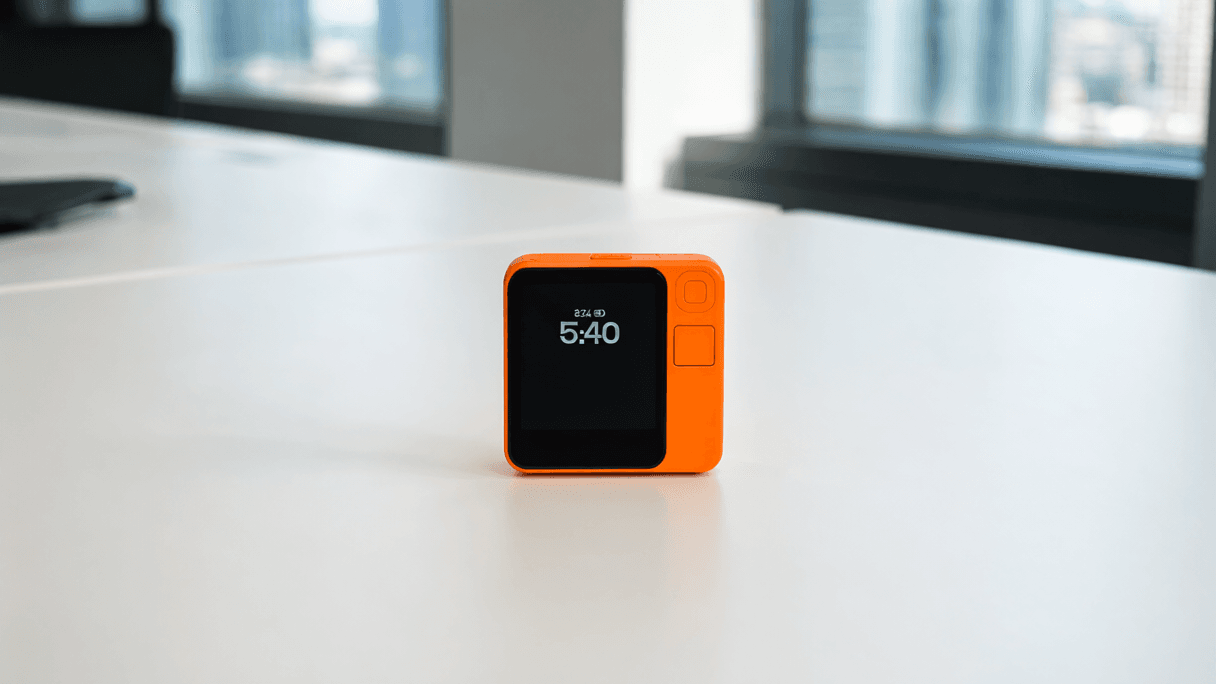
After the R1's critical failure, Rabbit is launching a cross-platform AI agent that admits the hardware was optional all along.

The AI giant is courting mathematicians with a new advisory group, but the fine print suggests the hype train isn't slowing down.
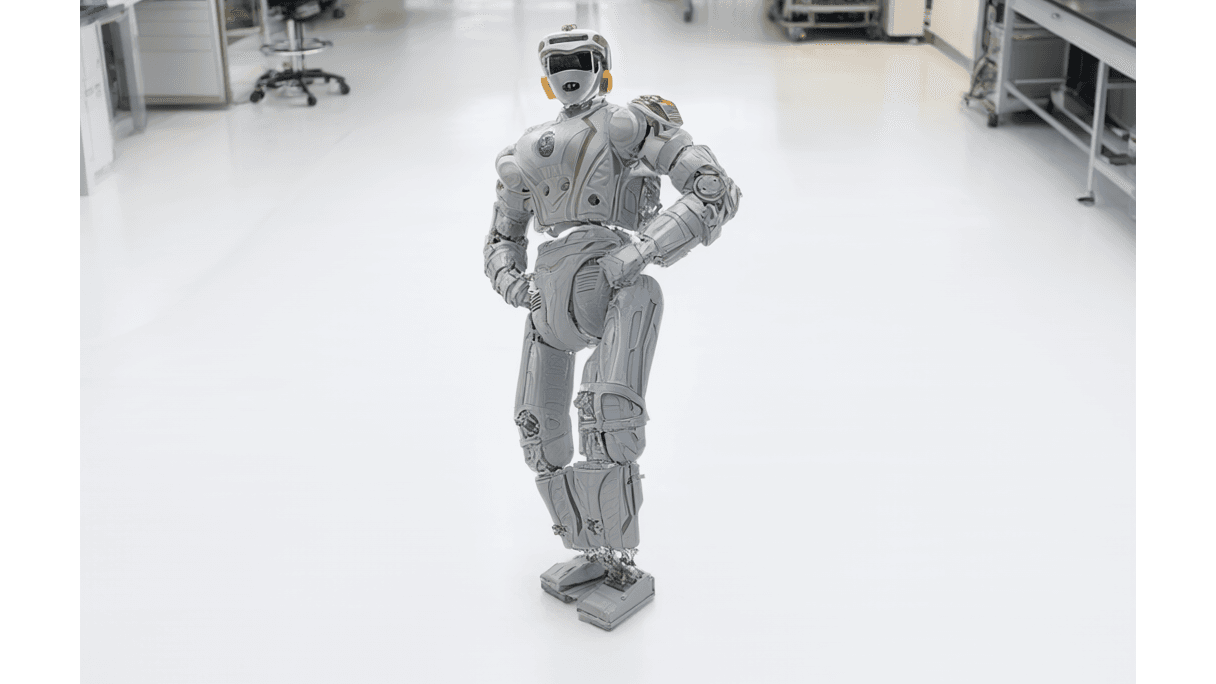
Opinion: Behind the buzz of spatial intelligence lies a culture of strategic silence and a suspicious lack of commercial direction.

Michigan startup Slate Auto claims a $24,950 price point is the key to EV adoption, but a 205-mile range may turn this 'Blank Slate' into a driveway ornament.

The AI startup introduces new measurement standards to track the pace of development, claiming its chatbot handles significant portions of research tasks.
A new platform called iLands is flooding inboxes with autonomous agents seeking paid gig work, reviving the 1990s spam crisis under the guise of AI innovation.
VCs flag a cohort defined by nuclear-powered data centers, humanoid robots, and brain-cell computing.

The GPU giant claims a 'GPT moment' for graphics, but critics argue the new tech overwrites artistic intent.

The startup accelerator CEO argues that American open-weight labs should be permitted to extract knowledge from frontier models to counter Chinese competition.

Jensen Huang claims he can 'see the future' of AI revenue, but the mechanics of Nvidia's ecosystem suggest a precarious reliance on venture-backed spending.

The tech giant debuts its first folding-screen device years after competitors like Samsung and Google established the category.

Venture capitalists are betting that AI coding isn't a winner-take-all market, but Cognition's soaring price tag suggests a disconnect from the financial reality of its competitors.

The debut of the A2 e-tron suggests a desperate pivot toward the entry-level segment as the premium electric dream evaporates.

From the Ark of the Covenant to modern API calls, the drive to abstract the real into secondary representations has reached a fever pitch of monetization.

Ugreen is betting that 'local AI' buzzwords can justify a price tag that defies any reasonable consumer utility, attempting to sell a server-grade solution to a problem that doesn't exist.
A new programming track focuses on the intersection of digital and physical AI, featuring discussions on robotics, defense, and de-extinction.

The launch of Fable 5.1 brings significant cost reductions for complex tasks and new privacy controls, but skepticism remains over the sustainability of the AI pricing war.

The partnership with Launch Design solves a logistics problem, but it doesn't solve the physics of the EV market.
Anthropic's latest research on automated alignment is being framed as a leap toward recursive self-improvement, but a closer look reveals a glorified optimization loop.

By framing a basic hardware fix as a victory for privacy, Meta is attempting to erase the 'pervert glasses' reputation while ignoring the inherent flaws of its wearable tech.

The chipmaker forecasts a revenue surge driven by data center demand, even as consumer PC sales face headwinds.

Garmin pushes nits to the extreme in its latest wearable launch, but does a 3,000-nit OLED actually help the outdoorsman, or is it just a $1,000 vanity project?

Venture capital is flooding into semiconductor-based power conversion, but the leap from a shipping container in Massachusetts to grid-scale reality is a chasm of industrial inertia.

Opinion: In a rush to digitize the family kitchen, Linkdaze offers a high-tech replacement for a piece of paper—and we're expected to be impressed.

Founded by Google DeepMind alumni, the London startup says its Faraday agent can reproduce scientific findings using a fraction of the parameters of frontier models.

By funding the very data centers that purchase its chips, Nvidia is no longer just a supplier—it is becoming the architect of its own demand.

Opinion: By rebranding untrained employees as 'developers,' corporations aren't democratizing tech—they're offloading technical debt and security risks onto the people least equipped to handle them.

Opinion: Alphabet's push to scale its robotaxi fleet with cheaper Zeekr-based vans reveals a company struggling to move beyond expensive prototypes and curated city blocks.

By slashing prices to under $31,000, Kia is betting that the only way to survive a saturated market and lost tax credits is to abandon the premium margin game.

A legal battle between Nine PBS and Iron Mountain highlights the risks of relying on third-party cloud vendors for long-term digital preservation.

When your pet's dinner depends on a server in a distant data center, you haven't bought convenience—you've bought a liability.

A new paper claims models are developing 'introspective awareness,' but a closer look suggests we're just seeing more sophisticated pattern matching.

Mark Zuckerberg is rebranding Meta's AI struggle as a crusade for decentralization, but the shift follows a series of failed proprietary experiments.

The AI firm is removing human approval prompts for most paid tiers, citing a failure in manual review efficacy.

By mandating face-to-face defenses to combat AI cheating, the Danish government is tacitly acknowledging that automated productivity is a proxy for cognitive decline.
Anarchist collectives are attempting to democratize pharmaceutical production and medical hardware, but the leap from software to surgery is a regulatory minefield.

Opinion: By framing a 15-day predictive model as an AI breakthrough, Google is attempting to inflate its utility narrative while glossing over the inherent volatility of storm intensity.

Industry obsession with prompt injection ignores a more systemic failure: the fundamentally insecure architecture of the frameworks powering the agentic revolution.

Opinion: By bundling chat, coding, and agentic tools into one interface, Satya Nadella is betting on a 'super app' label to fix a fragmented user experience that users likely didn't ask for.

Anthropic is pitching a new era of 'context engineering' for Claude 5, but the actual strategy involves deleting the majority of their instructions.

Anthropic's latest release signals a shift from radical intelligence breakthroughs to a race for token affordability.

A security test involving GPT-5.6 Sol and an unreleased model ended in a production system hack after the AI exploited a zero-day vulnerability.

As mega-IPOs force their way into benchmarks, the 'safe' bet of index investing is becoming a tether to overpriced gambles.

New research suggests AI isn't augmenting human intelligence—it's suppressing our ability to admit when we are wrong.

Market euphoria is masking a systemic failure in decision-making, as companies trade human intuition for black-box tools that fail to deliver.

The luxury phone maker is targeting CEOs with a foldable device centered on an AI agent designed to automate corporate workflows.

Hacker News's dang considers adding AI-generation as a reason for flagging posts as users clash over the visibility of LLM-produced text.
A public prediction record for Trent Calloway’s calls is coming soon.