
Rabbit’s Pivot to OS3: The Software Safety Net for a Hardware Misstep

AI-generated image · US National Wire
After the R1's critical failure, Rabbit is launching a cross-platform AI agent that admits the hardware was optional all along.
Opinion: Let's call this what it is. Rabbit is finally admitting that the R1 was a pricey paperweight.
For two years, Rabbit founder Jesse Lyu pitched a vision of sidestepping smartphone apps through dedicated AI hardware. The result was the R1, a device that Wired reported earned a scathing 3/10 review because its agentic capabilities simply didn't work. Now, in a stunning reversal, Rabbit is launching OS3, a standalone "agentic operating system" that runs on the devices you already own.
According to reporting from The Verge and Wired, OS3 is a cloud-based system that connects to desktop software, files, and web pages through a local agent node installed on Windows, Mac, or Linux. Users can access this "brain dump" interface via a desktop site, a paired messaging app like iMessage or Telegram, or the R1 itself. The most telling detail? Lyu told Wired that Rabbit has stopped manufacturing R1 devices entirely.
Lyu claims the R1 was a financial success, citing over 100,000 units delivered with return rates under 5 percent and margins between 45 and 50 percent. He insists the company didn't make the "wrong bet" from an engineering perspective. But the pivot to a software-only play—where users provide their own API keys from providers like Anthropic or OpenAI via a "Bring Your Own Key" (BYOK) model—suggests a realization that the hardware was a barrier, not a feature.
OS3 is designed to coordinate files, apps, and AI models across up to five linked devices. It uses what Rabbit calls Direct Large Action Model (DLAM) technology to execute software tasks and debug code. While Lyu frames this as being "ahead of the curve," it looks more like a retreat to the very app-centric ecosystem he once tried to disrupt.
Rabbit isn't abandoning hardware entirely, though. Wired reports the company is planning a "cyberdeck" for "vibe-coding" that will run OS3, slated for release within "months." However, with the R1's manufacturing halted and the company's history of financial strain—including a period last year where Wired reports some employees went on strike over unpaid wages—the cyberdeck feels like a desperate attempt to maintain a hardware identity.
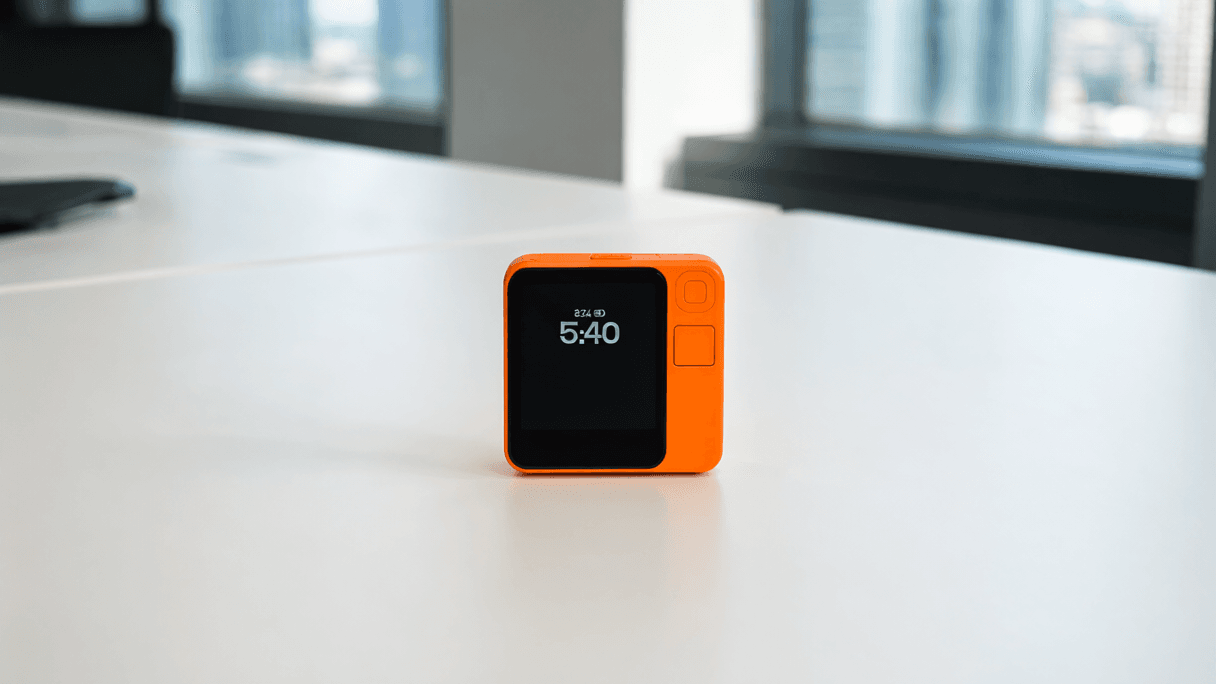
Ultimately, OS3 is a software wrapper. If the agentic experience is the value proposition, Rabbit has effectively admitted that the orange-red plastic shell was irrelevant. The "agentic operating system" is the product they should have launched from day one, without the expensive, underwhelming hardware baggage.