
Apple's 'Privacy' Camera is Just a Security Camera That Can't See

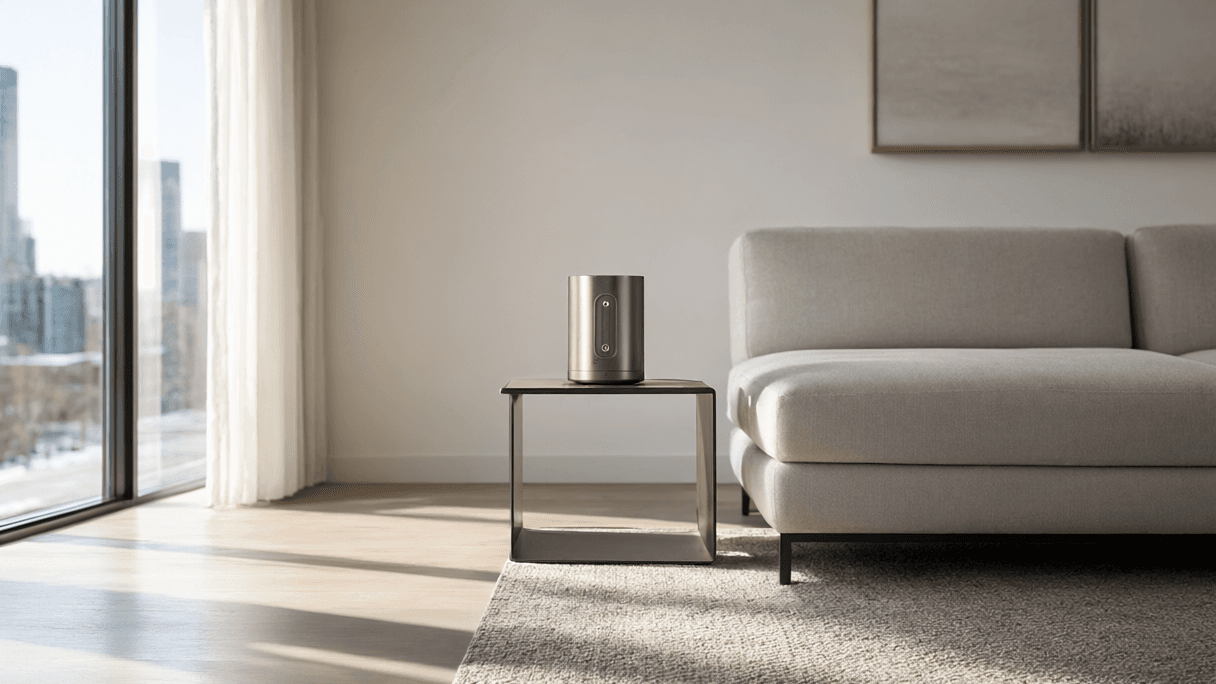
AI-generated image · US National Wire
Opinion: Marketing a lack of video recording as a feature is a convenient way for Apple to dodge the costs and liabilities of actual surveillance infrastructure.
Apple is known for framing limitations as luxury choices, but the latest rumors regarding its foray into home security are pushing this strategy to a breaking point. As first reported by The Verge, Apple is developing a smart home camera—part of a broader ecosystem including a rumored smart home hub known as the HomePad—that reportedly does not record video.
Let's be clear: a security camera that doesn't provide video is not a 'privacy-protecting' innovation. It is a sensor with a marketing budget.
Mark Gurman, speaking on the Power On podcast, describes a product under the program name J450. This device, which Gurman says looks like a "metal giant, you know, chapstick," is intended to be a companion to the J490 smart home display. The core value proposition? It doesn't pull in real video footage. Instead, it uses AI to analyze the environment and provides users with nothing but text event descriptions.
Apple will likely pitch this as the ultimate privacy win. By using on-device processing—potentially utilizing Sony IMX500 sensors, as The Verge notes—Apple can claim that images are never stored or secured because they never technically exist as recorded files. They will tell you that facial recognition to detect when someone enters a room is all you need, and that the absence of a video feed is a feature designed to keep your home private.
In reality, this is a strategic retreat from the infrastructure and liability costs associated with video processing. Managing, storing, and securing high-definition video streams is expensive and legally fraught. By stripping the 'camera' of its primary function—recording—Apple avoids the heavy lifting of video architecture while still charging a premium for the 'ecosystem.'
As Gurman puts it, "You're not getting anything but text descriptions. There's nothing you can do with it." That is the most honest description of the product I have heard. If a sensor tells you via text that an intruder is in your living room, but provides no visual evidence to verify the claim or identify the perpetrator, it has failed as a security device.
Apple's existing HomeKit Secure Video cameras already feature a "Detect Activity" setting that maintains motion tracking while disabling streaming and recording. They know how to handle video. Choosing to build a new hardware line that explicitly cannot record is not about protecting the user; it is about protecting the balance sheet from the overhead of data management.
Calling a blind spot a 'privacy feature' is classic Apple, but for anyone actually looking to secure their home, a text description is a poor substitute for a recording.