
The Brightness Bubble: Garmin's Fenix 9 and the Myth of 'Rugged' Luxury

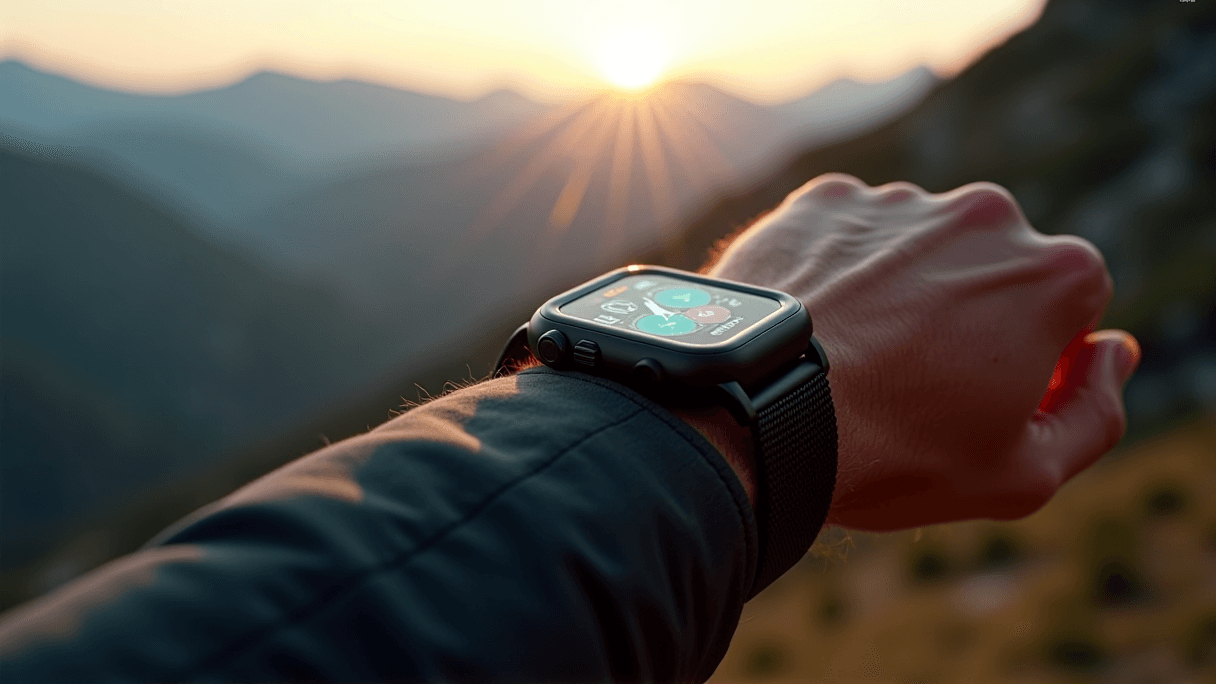
AI-generated image · US National Wire
Garmin pushes nits to the extreme in its latest wearable launch, but does a 3,000-nit OLED actually help the outdoorsman, or is it just a $1,000 vanity project?
OPINION: Let's be clear about what is happening here. We are witnessing the total surrender of the 'rugged' category to the laws of consumer electronics inflation. As The Verge first reported, Garmin has unveiled the Fenix 9 and Fenix 9 Pro, and while the marketing will lean heavily on durability, the real story is a desperate arms race for peak brightness that serves almost no practical purpose in the wild.
According to reporting from The Verge, the Fenix 9 now features an OLED display capable of hitting 3,000 nits. To put that in perspective, Garmin is bragging that this is twice as bright as the previous model. When does a hiker actually need a wrist-worn supernova? The industry is no longer selling utility; it is selling specs for the sake of specs, wrapping overpriced OLEDs in the guise of adventure gear.
The price tags reflect this shift toward luxury over necessity. The Verge reports that for the 43mm case, the base Fenix 9 starts at $999.99. If you want the Fenix 9 Pro, you are looking at a starting price of $1,099.99 for a titanium case. For those who want to truly lean into the 'connected' lifestyle, Garmin offers InReach satellite or LTE connectivity across the 43mm, 47mm, and 51mm options for an additional $100, paired with a $7.99 monthly subscription.
Beyond the blinding screen, Garmin is throwing in the usual iterative hardware bumps. The Verge notes the Fenix 9 boasts 50 percent more RAM, 64GB of storage, and a sapphire lens designed to resist scratches. There is also an upgraded map engine to facilitate faster panning.
On the software side, Garmin is introducing 'Garmin Epic,' a feature that aggregates health and performance data over various timeframes—days, weeks, or months—into a single summary. They have also expanded rucking features, allowing users to adjust pack weight during workouts, and added new stamina tracking metrics.
Battery life remains the primary point of contention for any high-brightness OLED. According to The Verge, smartwatch mode on the largest 51mm Fenix 9 can last up to 29 days. For the 47mm and 51mm Fenix 9 Pro models, Garmin offers a solar-charged display that claims up to 57 days of battery life—though this comes with the highly specific caveat that the user spends three hours a day outdoors in 50,000 lux conditions.
Garmin is also experimenting with size, as the largest Fenix 9 Pro now features a 1.5-inch OLED, slightly larger than the 1.3-inch and 1.4-inch screens found on the smaller models. The lineup hits the market for order on August 28th. But as the nits climb and the prices soar, one has to wonder if the 'rugged' label is now just a premium surcharge for a screen that's brighter than the sun it's supposed to be used under.