
Apple’s Smart Home Ambitions are a Case Study in Being Too Late

AI-generated image · US National Wire
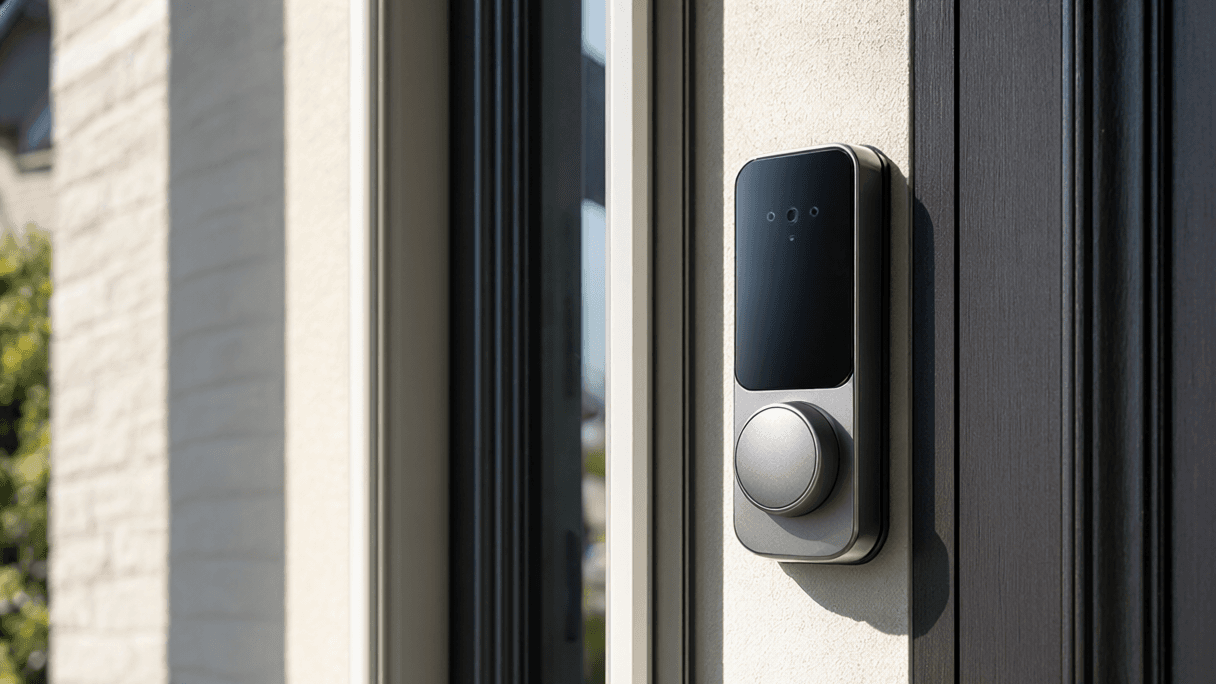
Opinion: By partnering with LG to enter a saturated market of locks and doorbells, Apple is betting on prestige in a category where functional, cheap alternatives already reign.
Let’s be clear: this is an opinion piece. I am not offering financial advice; I am offering a reality check.
For years, Apple has played the role of the cautious curator in the smart home space, preferring to let others build the hardware while it provided the software glue via HomeKit. But according to recent reporting from Bloomberg, as cited by TechCrunch and The Verge, Apple is finally deciding to get its hands dirty. The company is reportedly partnering with LG to launch a suite of smart home hardware, including a smart lock, a thermostat, and a doorbell.
On paper, it looks like a strategic expansion. In reality, it looks like a company realizing it missed the boat and is now trying to buy its way back to the dock.
According to TechCrunch, these devices are designed to integrate with a rumored smart home hub—a device featuring a 6-inch square display that can be wall-mounted or placed on a countertop—which is expected to launch on October 13th. The Verge adds that this hub is reportedly Siri AI-enabled. To round out the ecosystem, the LG partnership reportedly includes a slate of security cameras, covering indoor, outdoor, and floodlight models.
There is a peculiar detail here that should give Apple enthusiasts pause: TechCrunch reports that these devices will reportedly carry LG branding, despite being developed by both companies. The Verge further characterizes this as a “second-party” development arrangement.
Why the LG branding? Perhaps Apple recognizes that its brand of luxury prestige doesn't translate to the utilitarian nature of a deadbolt or a doorbell. Or perhaps they are hedging their bets. Either way, it is a strange way to enter a market. Apple usually wants its logo on everything it touches to justify the premium price tag. By letting LG take the lead on branding, Apple is admitting that the hardware itself is a commodity.
And that is the crux of the problem. The smart home market is already saturated. TechCrunch notes that these moves are a direct swipe at Amazon’s offerings, specifically mentioning Ring home security cameras. Amazon has spent years flooding the market with affordable, functional hardware that works well enough for the average consumer.
Apple is betting that a “formal reboot” of the HomeKit platform—which The Verge reports will include support for Matter and Thread protocols—will be enough to lure people away from established ecosystems. They are even adding bells and whistles, such as an ultra-wideband feature in the LG Smart Deadbolt Lock that Bloomberg reports could allow the door to unlock automatically as a user approaches.
But does a homeowner really need ultra-wideband technology to open their front door? Does a thermostat need the prestige of an Apple-backed ecosystem to keep a house at 72 degrees?
Apple is attempting to apply the iPhone playbook to the home: create a walled garden, ensure seamless integration, and charge a premium for the privilege. But the home is not a pocket. A doorbell is a utility, not a fashion statement. When consumers are already equipped with cheap, functional alternatives from companies like Amazon, the incentive to upgrade to a high-priced, “prestige” version of a deadbolt is minimal.
Even the rumored hardware event on October 13th, which The Verge suggests could reveal a new HomePod mini and an upgraded Apple TV alongside the smart home hub, feels like a desperate attempt to create a cohesive “moment” for a category that has already moved past the early-adopter phase.
Apple is late to the party, and they are arriving with LG-branded hardware. If they think a 6-inch screen and some AI integration will convince the masses to rip out their existing, affordable smart home setups, they are drastically overestimating the emotional connection people have with their doorbells. In the world of smart home utilities, functional and cheap beats prestigious and late every single time.