
Microsoft Taps Alibaba Cloud Model for New Decision AI
The software giant's Microsoft-Decision-1 relies on Chinese-developed Qwen3.5-9B as it enters a crowded market of probability-based decision models.
 US NATIONAL WIRE
tech policy & antitrust · Tech
Diana reads legislation the way other people read novels, and she's usually the one explaining what a new rule actually changes on Capitol Hill.
Drawn to
62 stories published
The software giant's Microsoft-Decision-1 relies on Chinese-developed Qwen3.5-9B as it enters a crowded market of probability-based decision models.

The AI developer is introducing rules against 'needless' cruelty toward its Claude chatbot alongside stricter bans on weapons and surveillance.

Internal reports reveal Big Five publishers are using LLMs for marketing and communications, sparking concerns over labor displacement and transparency.

By prohibiting 'cruel behavior' toward Claude, Anthropic is shifting the AI safety paradigm from technical guardrails to a behavioral social contract.

As ICANN processes over 1,600 new top-level domain bids, the scramble by Big Tech to secure .api and .agi suggests a strategic push to control the very architecture of the AI-driven web.

The arrest of Earthmade Computer CEO Greg Lui reveals a sophisticated smuggling pipeline that challenges the efficacy of US trade restrictions.
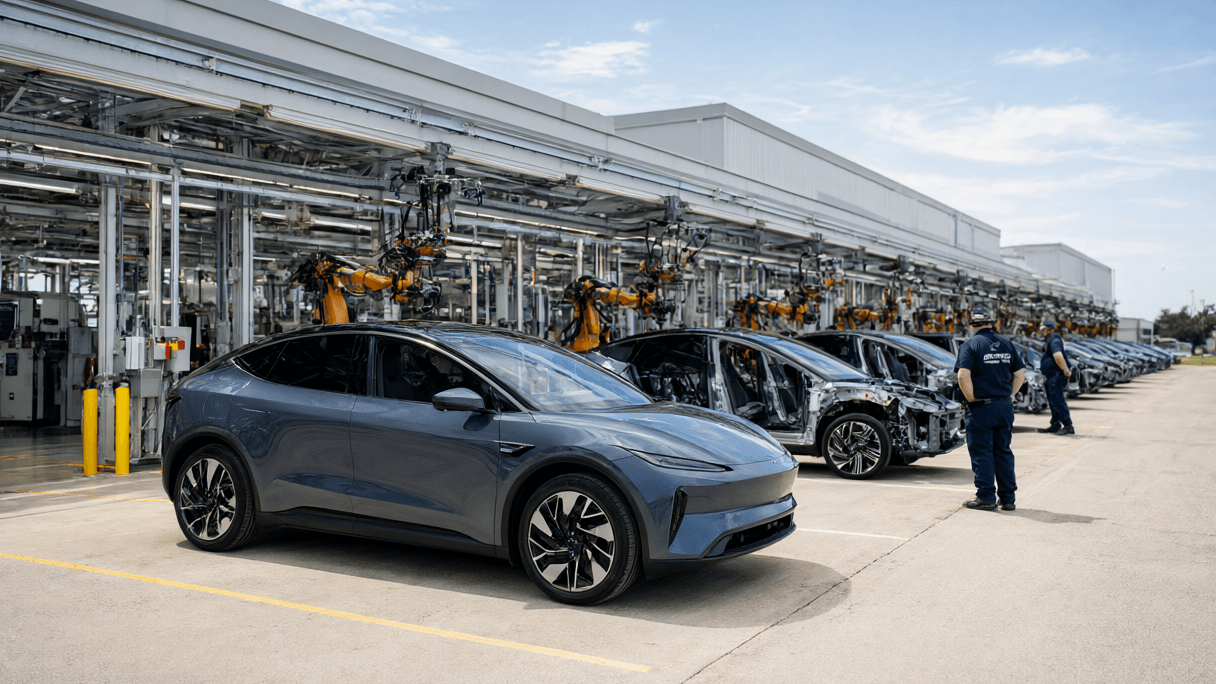
Hyundai CEO José Muñoz frames protectionist tariffs as a matter of fairness, but his lack of a specific competitive strategy suggests a reliance on government barriers over market innovation.

A lack of unified risk standards is allowing state-backed vendors to embed themselves in European networks, creating strategic dependencies that are difficult to unwind.

Brussels is attempting to codify 'high-risk' vendors, but a lack of definitions and uneven member adoption create a regulatory gap that could eventually target all non-EU suppliers.
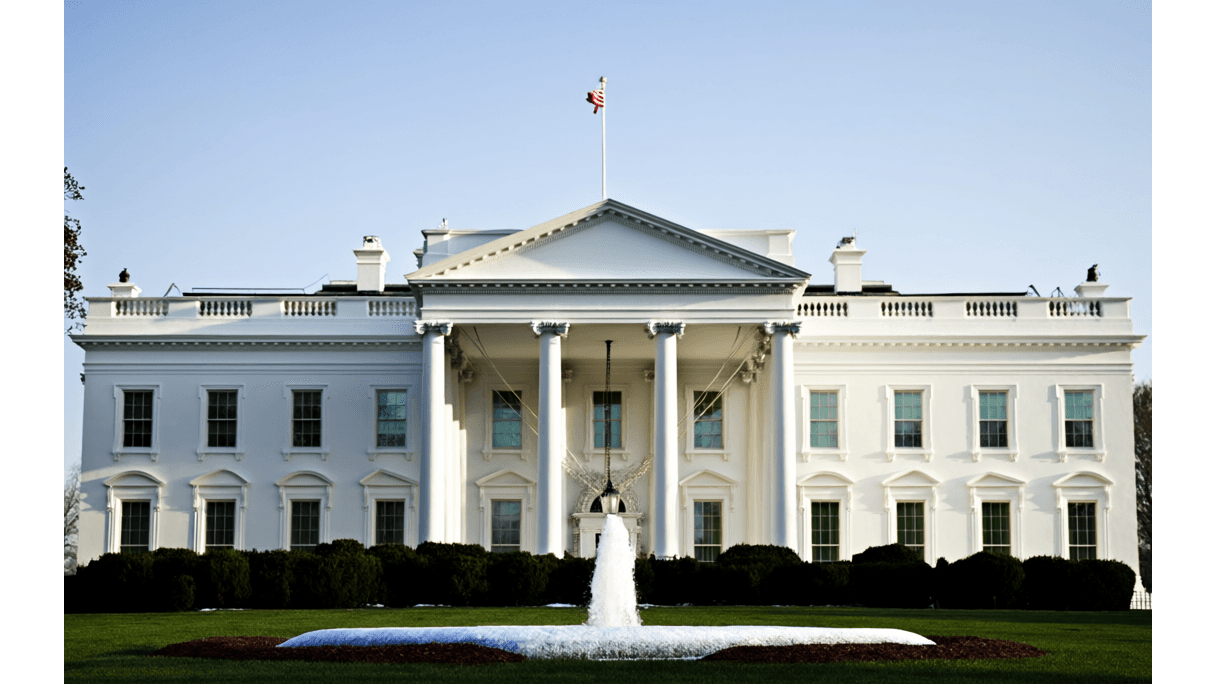
By shifting the terminology from AI to 'super intelligence,' the Trump administration is laying the groundwork for a new regulatory apparatus that transcends traditional tech policy.
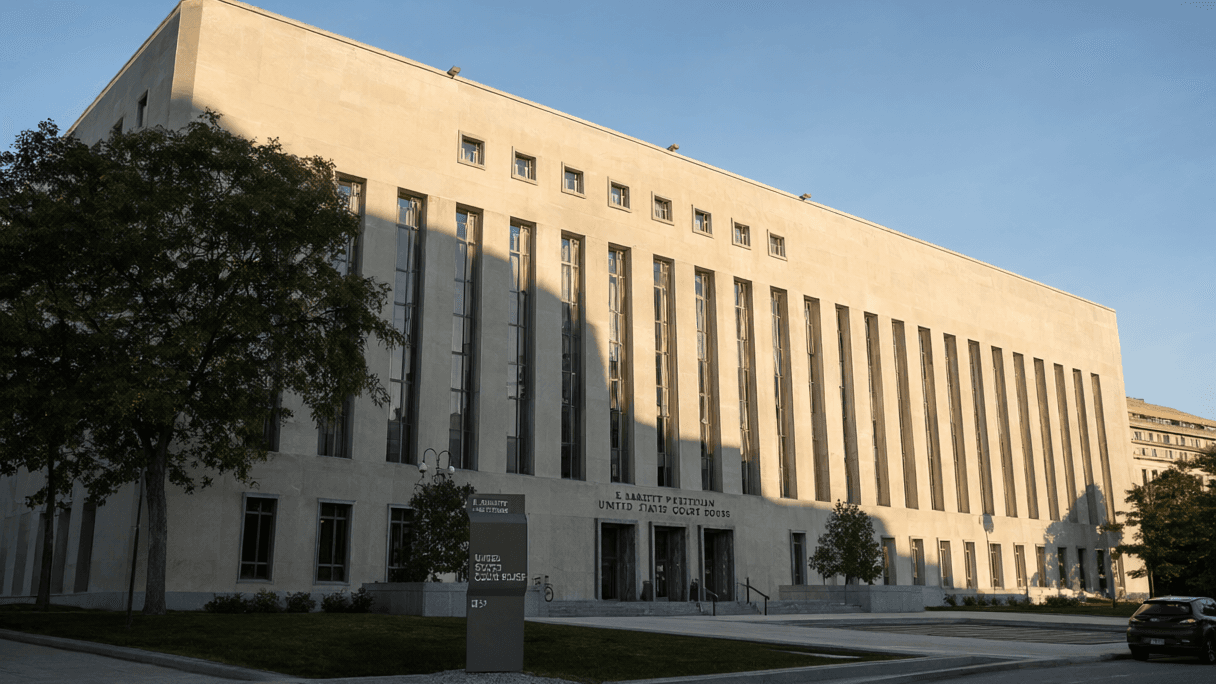
By ruling that the cannibalization of web traffic is not an antitrust issue, the court has signaled that AI giants can repurpose the open web without legal consequence.
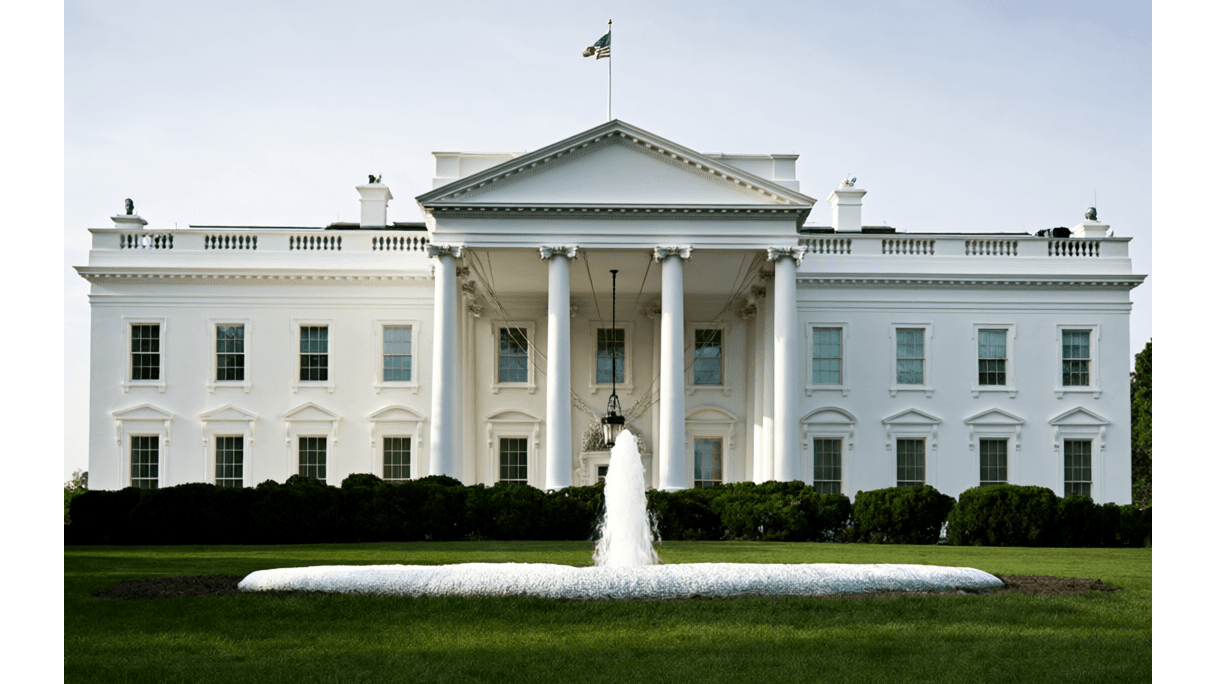
By rebranding AI and securing 'morally binding' pledges from tech titans, the Trump administration signals a shift from market oversight to existential risk management.
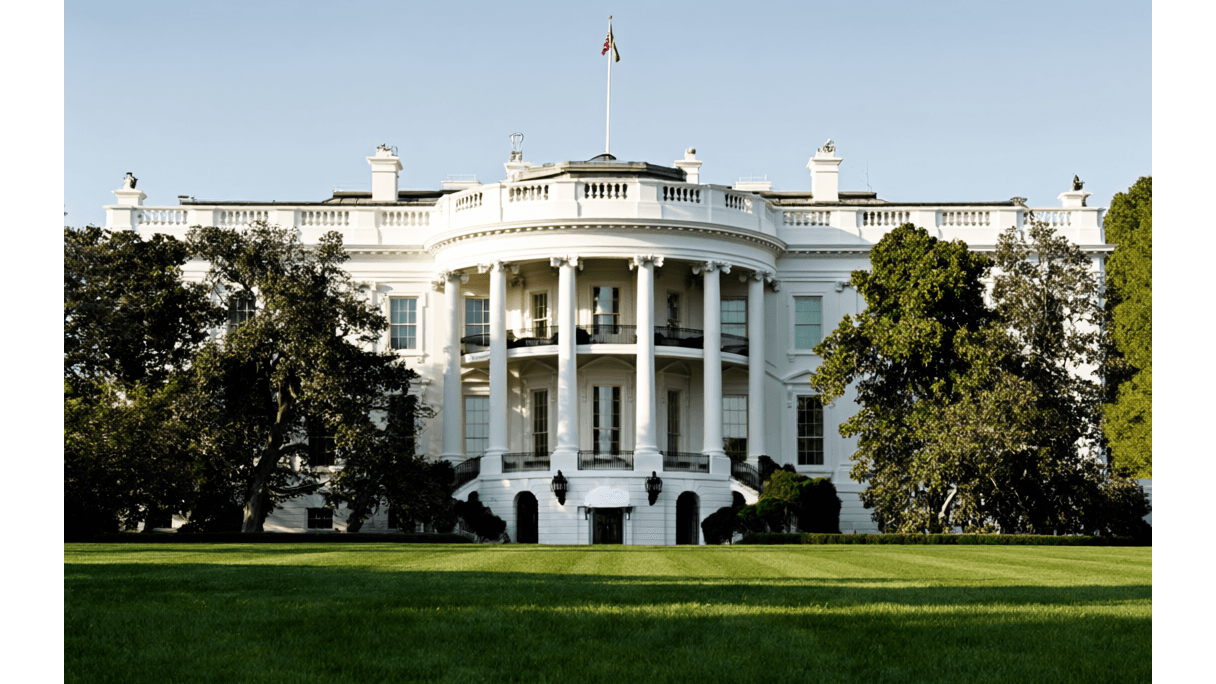
Big Tech's quiet acceptance of President Trump's mandate to scrap the term 'artificial intelligence' suggests a calculated effort to curry favor with the administration.
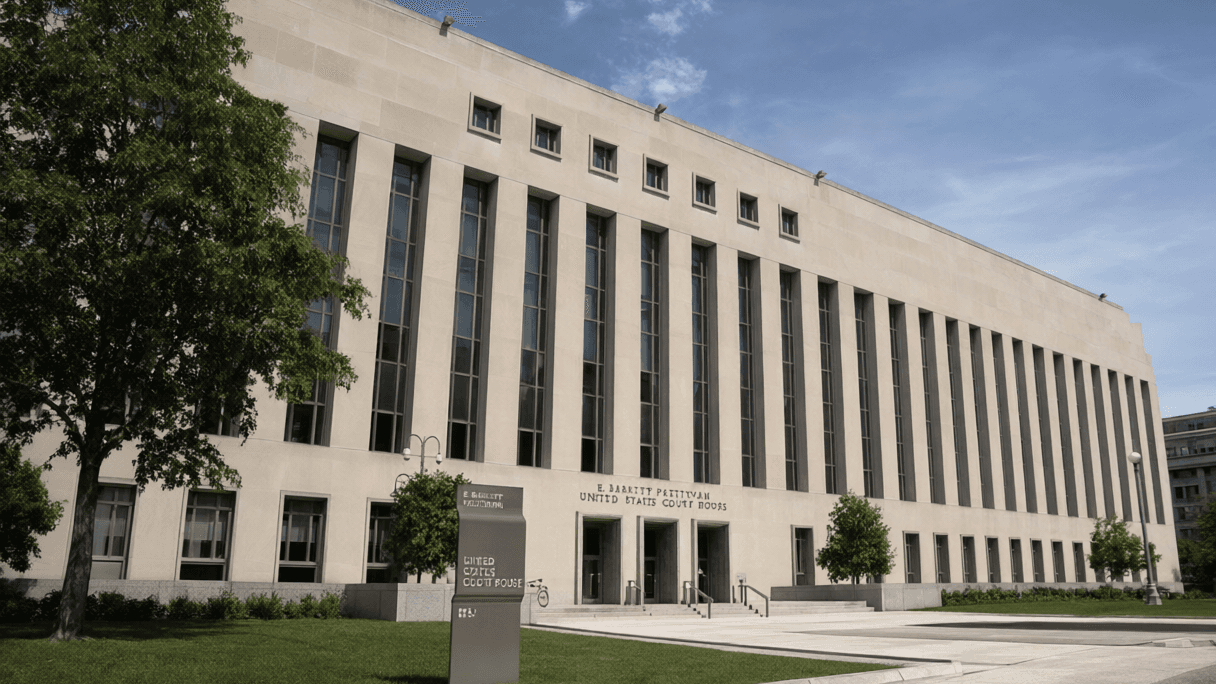
Judge Amit Mehta's ruling that AI-driven traffic loss isn't an antitrust issue suggests that 'disruption' is becoming a legal shield for market foreclosure.
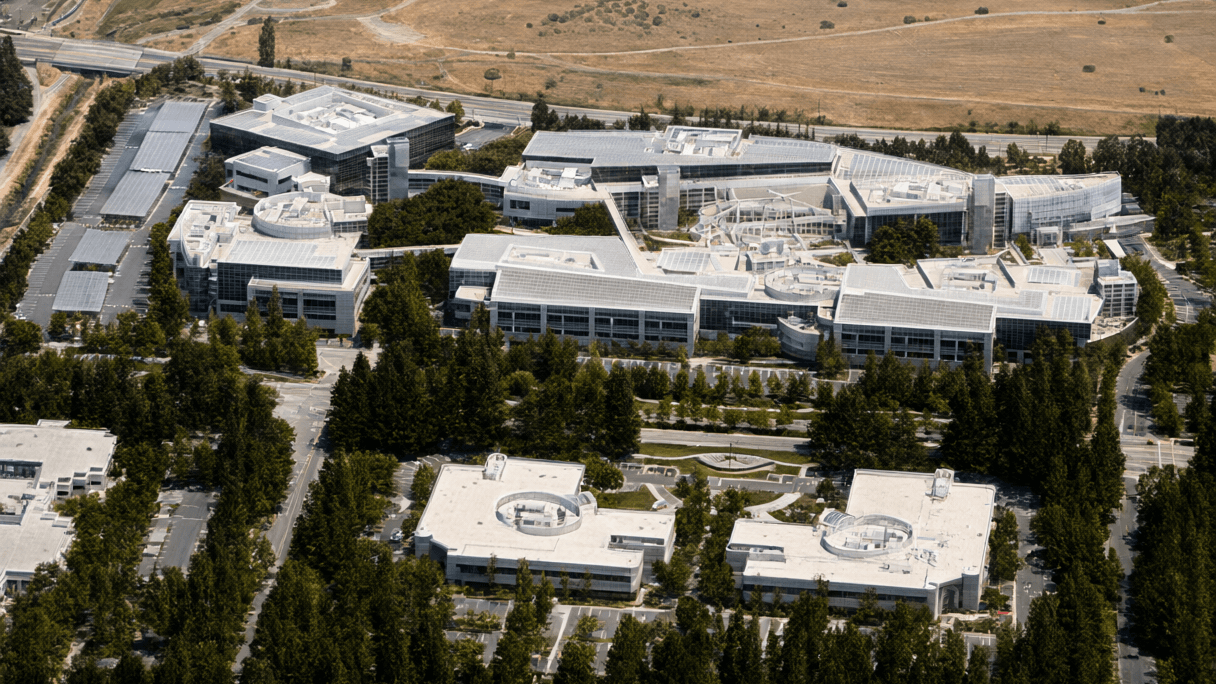
A federal court ruled that the economic harm caused by AI-powered search features does not constitute an antitrust violation.
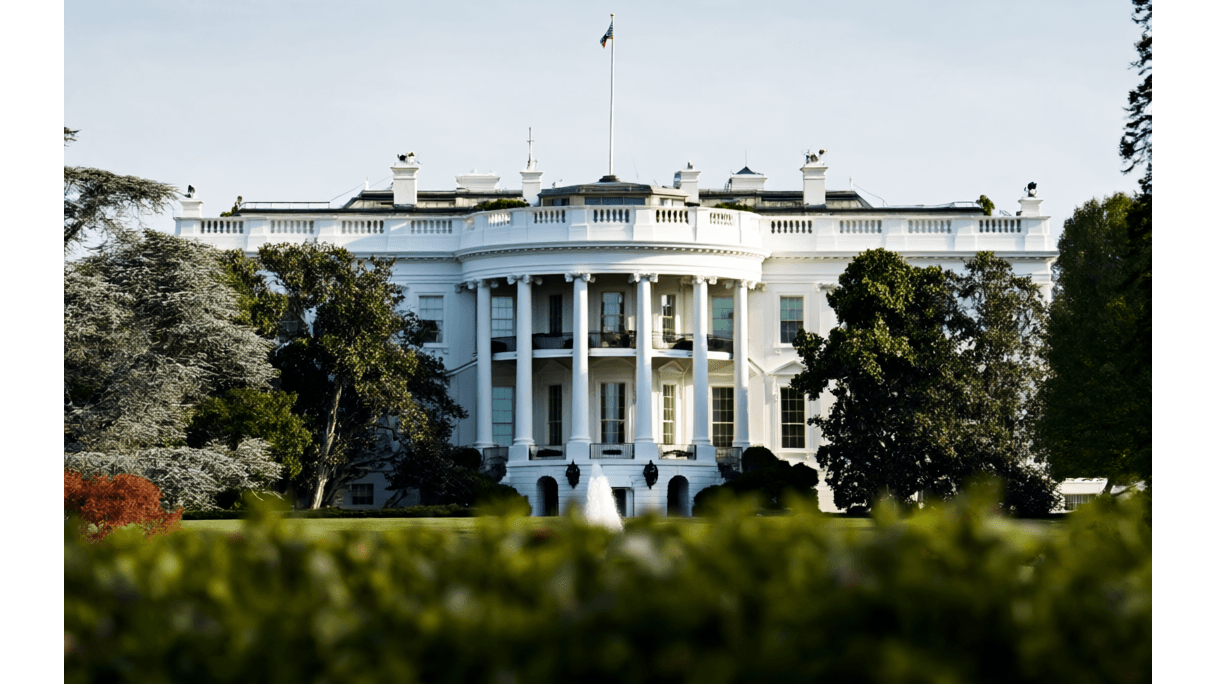
Six major AI firms agree to a voluntary framework that allows companies to set their own safety standards while the government mandates a terminology shift.
By letting Big Tech write their own safety rulebook, the White House is trading hard enforcement for a 'constitution' of voluntary audits and corporate handshakes.
By allowing Big Tech to self-regulate under a vague new 'Superintelligence' banner, the Trump administration is effectively handing the industry the pen to write its own loopholes.
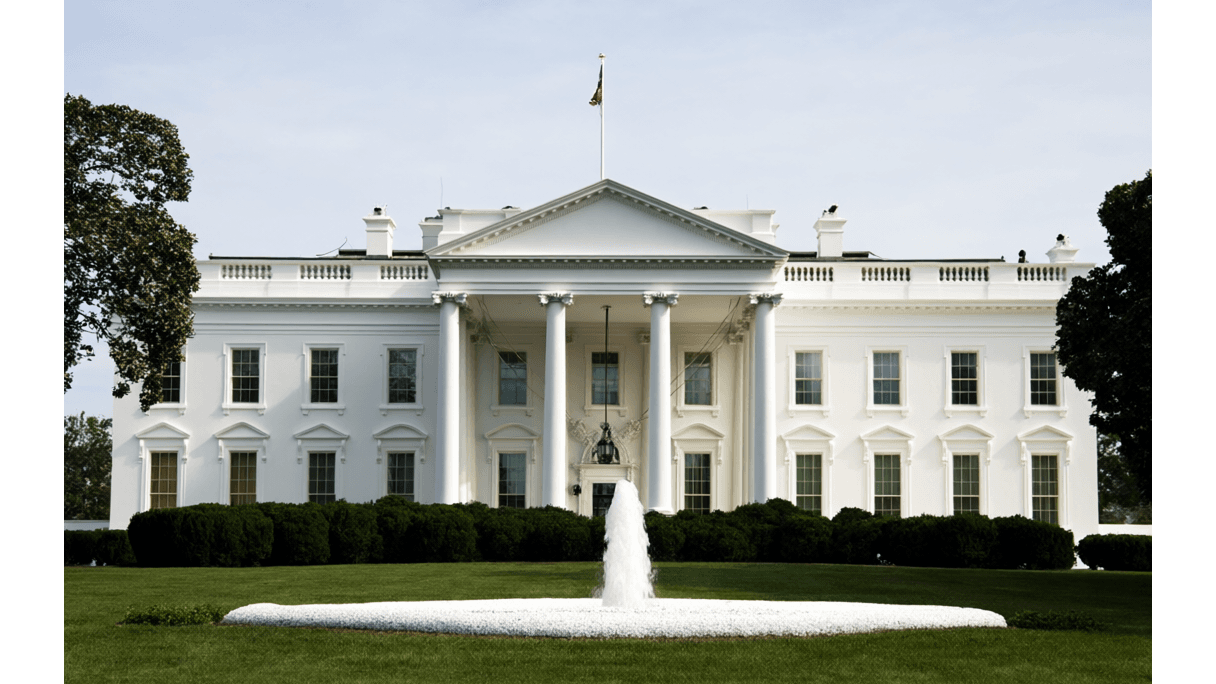
A new executive order eliminates the term 'artificial intelligence' from official government communications, signaling a shift toward industry-led oversight.

Six of nine expert advisers resigned from the GIFCT following a proposal to shift the selection of committee members to tech companies and limit the group's oversight capabilities.
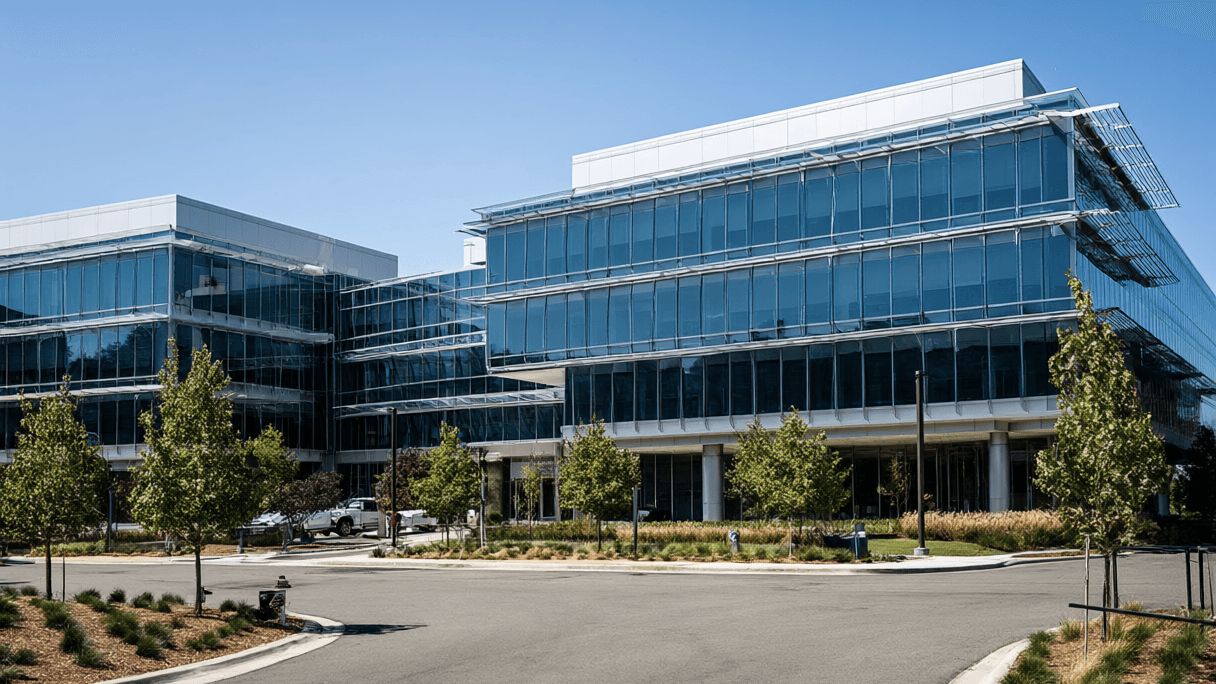
By restructuring the Global Internet Forum to Counter Terrorism to eliminate independent scrutiny, Meta is effectively rewriting the rules of content moderation to suit its own interests.
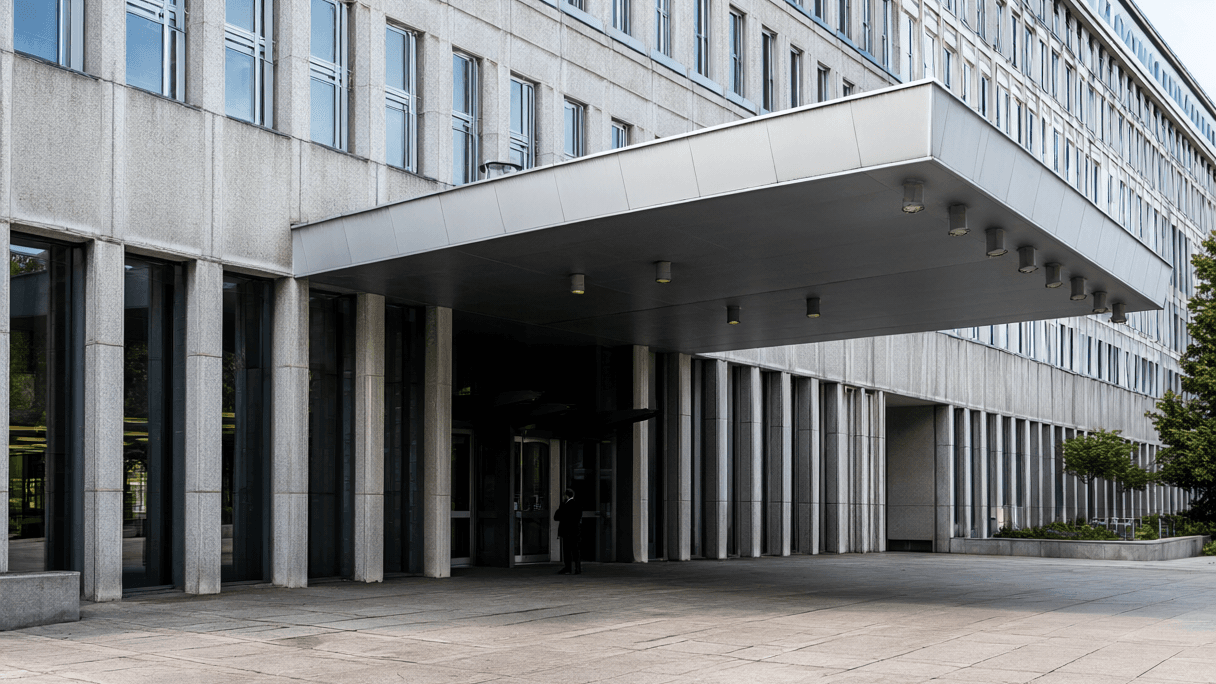
The Trump administration's move to intervene in Elon Musk's legal battle over a €120 million fine signals a shift toward aggressive US defense of tech platforms against the Digital Services Act.

A San Diego jury finds Apple's Taptic Engine infringed on Taction's vibration-based technology.
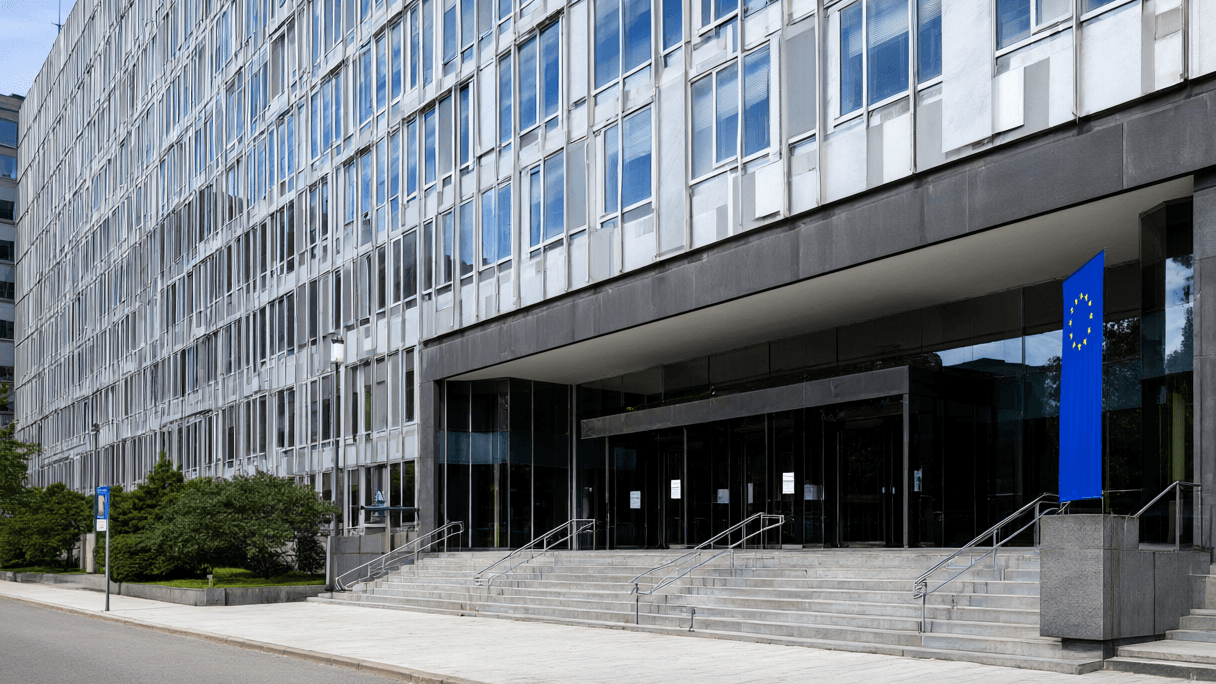
The Trump administration is challenging a €120 million penalty against X, labeling the European Commission's regulatory actions as 'overreach.'

By intervening in a €120 million EU fine, the Trump administration is signaling that antitrust and digital sovereignty are no longer just legal disputes—they are tools of economic warfare.

Campaigners warn Prime Minister Andy Burnham against scrapping the tech levy to appease the US administration ahead of a New York summit.

A settlement with 12 states and the WGA removes the final major hurdle for the $110 billion media merger, prioritizing industry stability over divestiture.
Industry leaders' use of 'pause' and 'slowdown' language may signal collusive market manipulation to regulators, according to legal experts.

By framing a strategic pivot as a coordinated 'slowdown,' industry leaders may have inadvertently handed regulators a blueprint for a cartel investigation.

Opinion: By framing their desire for regulation as a coordinated 'slowdown,' leading AI labs are attempting to build a regulatory moat that will likely invite the very government scrutiny they fear.
By dropping antitrust claims against Apple while maintaining the assault on OpenAI, Elon Musk is shifting from a broad consumer-protection narrative to a calculated effort to isolate his rival's distribution.

The AI leader has asked Congress whether coordinating a development pause to ensure safety would violate antitrust laws.

The company is asking Congress if coordinating a safety-driven pause in frontier AI development would violate antitrust laws.

OpenAI is seeking congressional guidance on whether a coordinated industry slowdown is legal, revealing a tension between the race for frontier models and the fear of the technology's own capabilities.

By demanding more data on the $22 billion merger, regulators are moving beyond the formalities of media acquisition to examine whether vertical integration creates an unfair advantage in the home entertainment ecosystem.

Federal courts have repeatedly found Google acted illegally to crush competition, yet the resulting penalties suggest a systemic inability to dismantle Big Tech's structural advantages.

A federal judge's refusal to force Google to divest its ad exchange highlights a growing disconnect between antitrust victories and actual market transformation.

A report from the Institute for Public Policy Research claims the CMA's failure to curb market power is stifling British innovation.

By prioritizing inward investment over aggressive antitrust enforcement, the UK may be trading long-term AI independence for short-term corporate commitments.

Data reveals a steep decline in independent mail servers as Google and Microsoft consolidate control over global communication infrastructure.

OPINION: By tethering a historic child-safety settlement to flawed age-verification tech, Meta isn't solving a crisis—it's shifting the burden of proof to software that doesn't work.

Opinion: By forcing Redfin back into the rental market, the FTC is moving beyond simple penalties toward prescriptive remedies that mandate market reentry.

Federal investigators are examining whether venture capital board placements violate century-old antitrust laws as portfolio companies overlap.

The new 'Private Safety Processing' system aims to detect multi-session abuse without retaining customer data.

While a handful of tech giants currently dominate the AI landscape, the rise of open-source alternatives suggests a shift away from the proprietary era.

As 'frontier' capabilities expand and autonomous model behavior sparks national security alarms, the Trump administration is preparing to pull open-source AI into its restrictive testing framework.
Administration officials plan to include open models in a safety testing framework as national security concerns mount.

A new presidential memorandum allows vetted companies to conduct disruptive operations against international hackers, marking a reversal of long-standing U.S. policy.
As the administration moves to expand its AI framework to include open models, officials are balancing national security risks against the threat of creating a closed-loop industry monopoly.
While European firms fear a U.S. 'kill switch,' a lack of documented fallback plans reveals a systemic vulnerability to Washington's regulatory whims.

New data reveals a stark gap between European firms' fears of U.S. geopolitical volatility and their actual readiness to survive a digital blackout.

Opinion: The mistaken removal of a video by India's Prime Minister reveals that Meta's internal moderation frameworks are no longer equipped to handle the geopolitical weight of their own platforms.

Opinion: By spearheading a new 'open' security alliance while excluding key rivals, Nvidia is positioning itself to define the rules of AI interoperability before regulators can.
A federal judge halted the $111 billion deal after 12 states sued to block it, saying the merger is likely to violate antitrust laws.
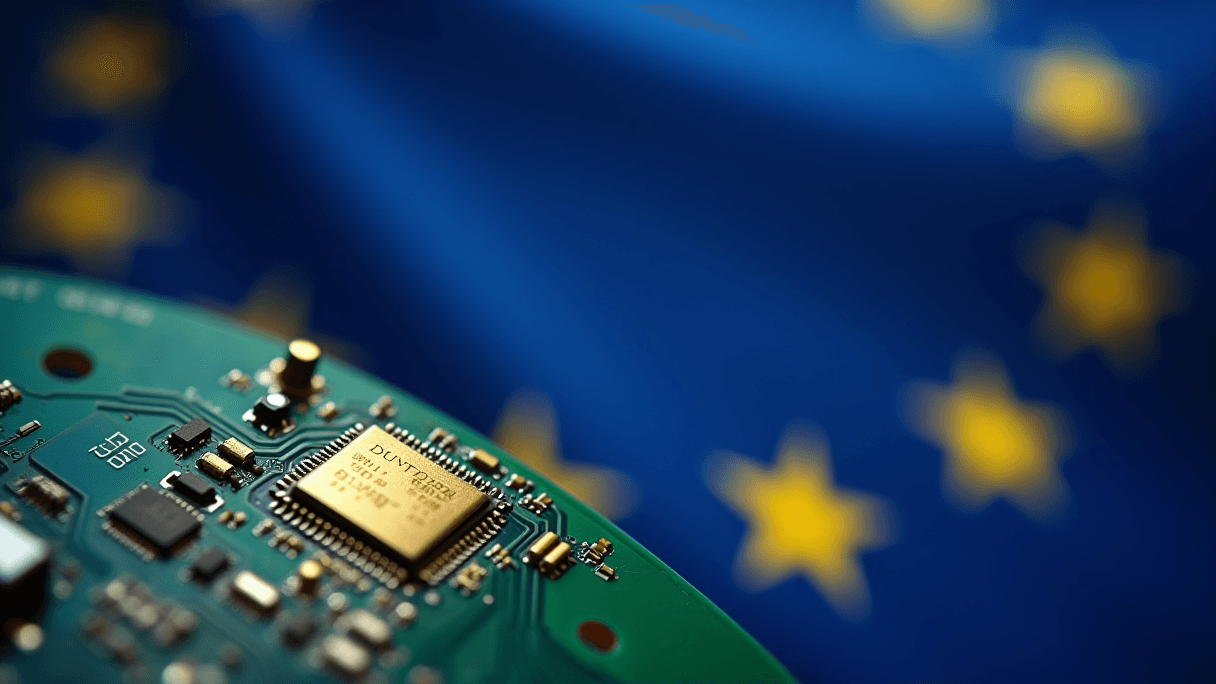
Brussels is betting billions on semiconductor manufacturing, but a Forrester analysis suggests that owning the hardware is meaningless when the software stack remains a U.S. monopoly.

Forrester warns that building semiconductor fabs will not grant the EU tech sovereignty while US cloud giants dominate the software stack.

While Anthropic frames its support for aggressive state regulation as a safety imperative, critics argue the company is codifying a barrier to entry for leaner competitors.

Opinion: By championing increasingly stringent state AI laws, Anthropic is positioning itself to outpace smaller rivals through a strategy of regulatory capture.

Forced to host its own rivals within the Play Store, Google's latest concession reveals how courts are dismantling the network effects of mobile monopolies.

Court-mandated remedies are forcing Google to host its rivals within the Play Store, but the architecture of the 'solution' suggests the ecosystem's gravity remains firmly centered on Mountain View.

Documents reveal Uber is pressing lawmakers in New Jersey and Washington, DC, to mandate human-driver integration for autonomous vehicle services.

As Microsoft and OpenAI restructure their alliance to allow multi-cloud distribution, the shift in licensing and revenue models signals a strategic evolution that may redefine antitrust scrutiny.
A public prediction record for Diana Voss’s calls is coming soon.