
The Semantic Pivot: Why the White House is Rebranding AI as 'Super Intelligence'

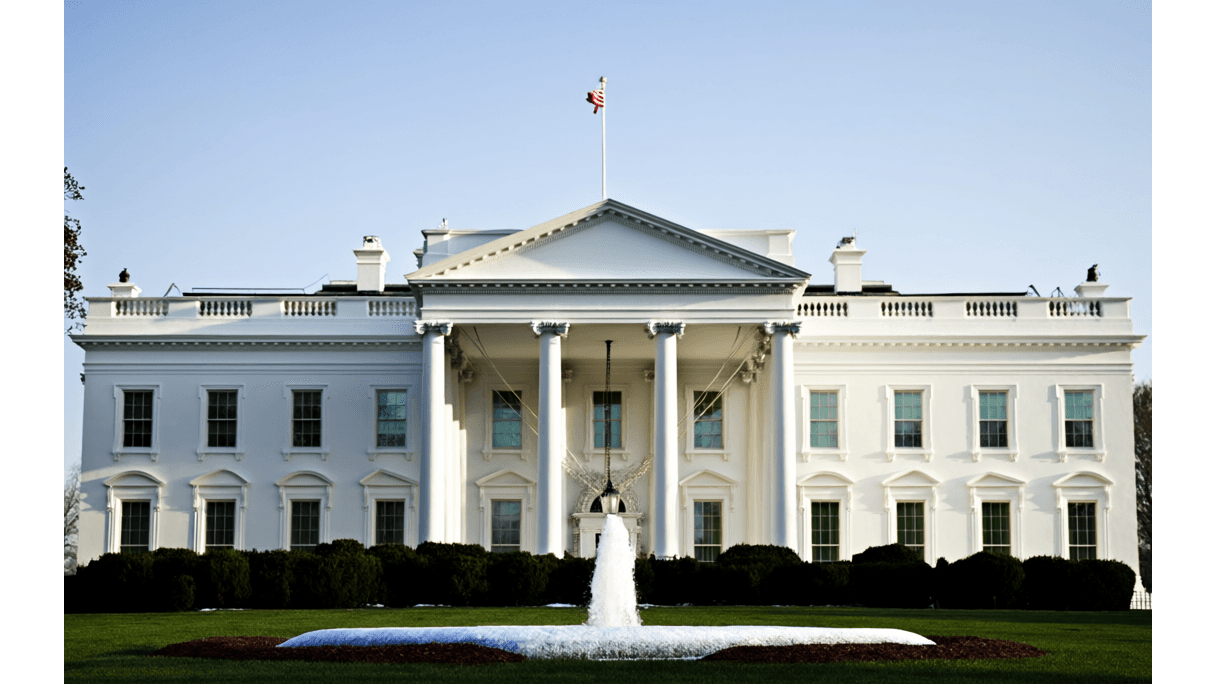
AI-generated image · US National Wire
By shifting the terminology from AI to 'super intelligence,' the Trump administration is laying the groundwork for a new regulatory apparatus that transcends traditional tech policy.
In the world of tech policy, language is rarely just about description; it is about jurisdiction. This week, the White House executed a calculated semantic pivot that signals a fundamental shift in how the federal government intends to govern the frontier of computing. By officially rebranding artificial intelligence as “super intelligence,” President Donald Trump is not merely updating a glossary—he is redefining the rules of the game.
**Opinion:** This shift is a strategic maneuver. By moving the goalposts from 'AI' to 'super intelligence,' the administration creates a conceptual break from previous regulatory frameworks. This allows the White House to justify a more aggressive, centralized approach to oversight that bypasses the traditional, slower-moving antitrust guardrails associated with the broader AI sector, framing the technology instead as an existential national security priority akin to a nuclear arms race.
According to reporting from TechCrunch, this rebranding was codified via an executive order. The shift in terminology was mirrored in a high-stakes gathering at the White House, where President Trump brought together nearly every major tech CEO—including Mark Zuckerberg, Jeff Bezos, Elon Musk, and Anthropic’s Dario Amodei—to sign an AI safety pledge that was non-binding.
However, the rebranding is more than rhetorical; it is institutional. TechCrunch reports that President Trump has announced the formation of the “Super Intelligence Force.” This new body is tasked with ensuring the United States maintains global leadership in a technology that Trump described on Truth Social as being “bigger than the Industrial Revolution, and the Internet.”
The composition of this force suggests a lean toward national security and administrative efficiency over traditional market regulation. The Wall Street Journal reports that National Intelligence Director Jay Clayton will chair the Super Intelligence Force, effectively serving as the new AI/SI czar. He is joined by a slate of vice chairs including Federal Trade Commission Chair Andrew Ferguson, Office of Personnel Management Director Scott Kupor, and Undersecretary of War for Research and Engineering Emil Michael.
The urgency of this new framework is underscored by the timeline and the rhetoric of its leaders. The task force has reportedly been given 120 days to produce a report on the risks and opportunities of AI. Jay Clayton has emphasized to the Wall Street Journal that the primary risk is “not being first,” particularly as competitors like China advance.
While the task force’s charter claims it will seek to prevent “overregulation and regulatory capture” to protect innovation, the very act of creating a specialized “Force” under the guidance of the National Intelligence Director suggests a pivot toward a security-centric model of governance. By labeling the technology “super intelligence,” the administration effectively removes it from the standard 'tech' bucket and places it into a category of strategic national assets, where the rules of engagement are written by the state, not the markets.