
The Compute Black Market: A Stress Test for US Export Controls

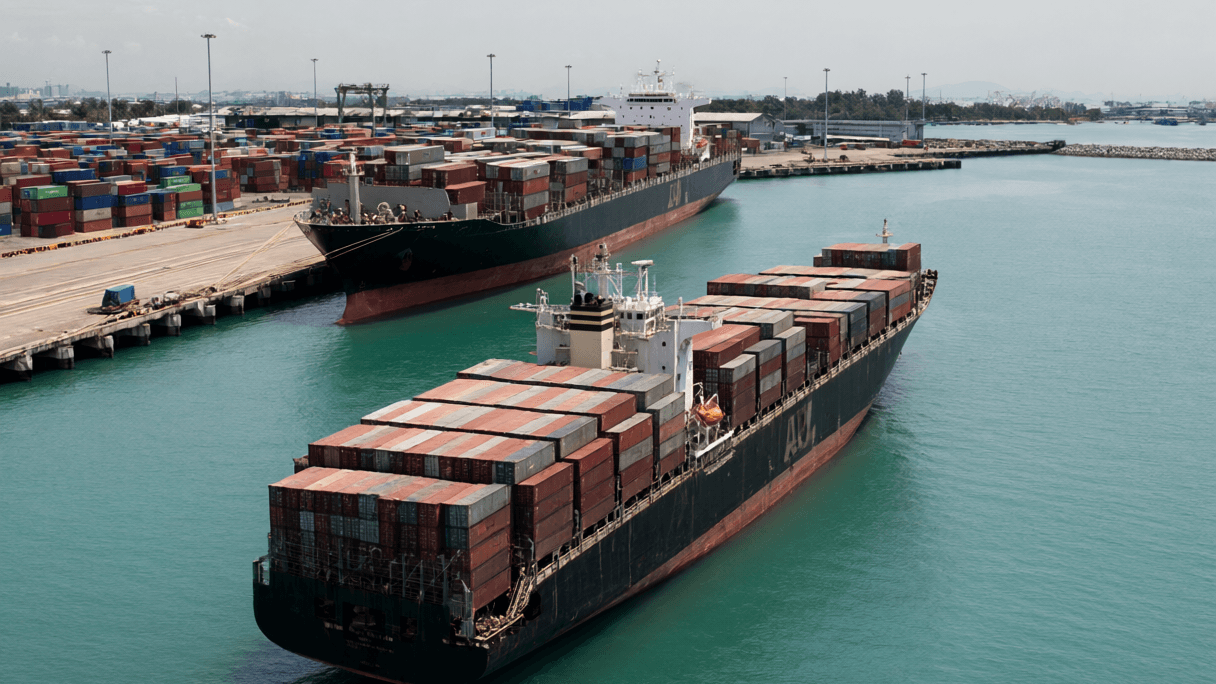
AI-generated image · US National Wire
The arrest of Earthmade Computer CEO Greg Lui reveals a sophisticated smuggling pipeline that challenges the efficacy of US trade restrictions.
The Department of Justice's arrest of Greg Lui, CEO of Earthmade Computer, serves as a critical case study in the fragility of US export controls. As Ars Technica first reported, Lui is accused of orchestrating a scheme from October 2023 to August 2026 to smuggle more than $300 million in Nvidia servers—including A100 and H100 GPUs—into China.
**Analysis: The Mechanism of Evasion** Lui's alleged operation highlights how the black market for compute has evolved into a primary geopolitical lever. By utilizing freight-forwarding firms in Singapore and Malaysia, and employing fraudulent documentation—including the identity of a fake buyer named "Jackie Lui"—the scheme successfully bypassed US oversight. The FBI alleges that shipments were routed through Malaysia and Hong Kong before reaching a firm in Hangzhou, which The Wall Street Journal has identified as China's AI hub.
This case underscores a systemic vulnerability. While Nvidia claims to Bloomberg that diverted products represent "less than one half of one percent" of its total, a Bloomberg investigation suggests a sprawling shadow trade involving hundreds of thousands of chips. This illicit pipeline potentially supports Chinese hyperscalers and fills a hardware gap that a "top executive" told Bloomberg may not be resolved internally by China until 2030.
For regulators, the Lui case is less about a single criminal outlier and more about the "blind spots" in corporate due diligence. As Bloomberg reports, US officials are urging Nvidia to tighten protocols, specifically regarding shipments to Thailand, Malaysia, and Singapore, to prevent technology from reaching firms like DeepSeek, which Donald Trump has accused of stealing US technology.