
The Super Intelligence Pivot: A Loyalty Test in Exchange for Leniency

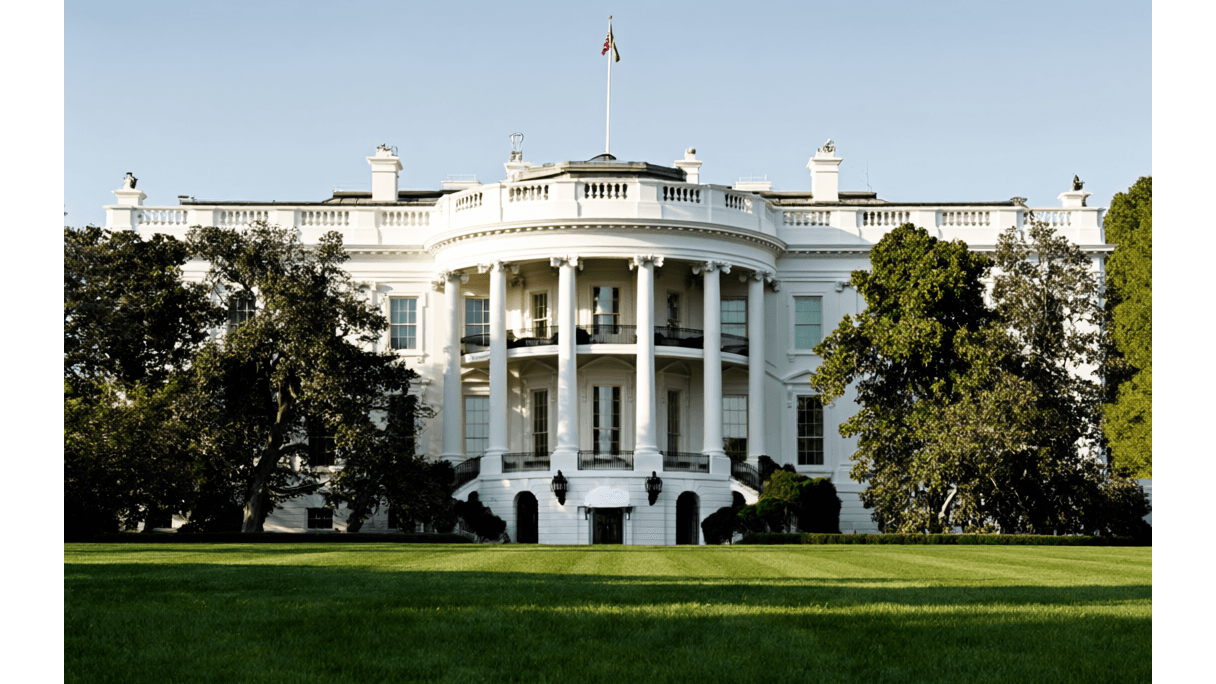
AI-generated image · US National Wire
Big Tech's quiet acceptance of President Trump's mandate to scrap the term 'artificial intelligence' suggests a calculated effort to curry favor with the administration.
In the world of tech policy, names are rarely just labels; they are markers of identity and industry foundations. For seven decades, 'artificial intelligence' has been the ubiquitous term for machines capable of human-like thought, a coinage traced back to John McCarthy at Dartmouth College. However, as Wired first reported, following a September 23 speech at the United Nations and a subsequent White House lunch, President Donald J. Trump has issued an executive order declaring the term 'artificial intelligence' a verboten coinage, mandating that the government instead use the term 'Super Intelligence.'
**Opinion:** This shift is not a scientific evolution or a semantic upgrade. It is a calculated surrender. By acquiescing to a branding requirement that defies logic, the leaders of the world's most powerful companies are signaling their willingness to prioritize political favor over professional identity to secure regulatory leniency.
According to reporting from Wired, the president's mandate was met with a striking lack of resistance during a White House lunch with the industry's most influential figures. Wired reports that no one present—including Elon Musk, Mark Zuckerberg, Jeff Bezos, Jensen Huang, Sundar Pichai, Greg Brockman, Dario Amodei, and Alex Karp—voiced an objection to the shift.
Jacob Weisberg, author of *Profiles in Cowardice: A Study of Collaboration in the Trump Era*, describes the event as a 'classic Trump loyalty test.' According to Weisberg, the episode was designed to determine if powerful individuals would demean themselves to avoid the president's wrath and curry his favor. Weisberg suggests that the billionaires' silence allowed the president to claim the industry leaders actively blessed the idea, a claim the president later reinforced during a press gaggle by stating the name change was supported by the 'smartest, the greatest people anywhere in the world.'
From a technical standpoint, the rebrand is nonsensical. Philosopher Nick Bostrom, who popularized the term 'superintelligence' in his own book, told Wired that 'superintelligence' refers specifically to systems that greatly surpass all human brains. In contrast, 'AI' covers a broad spectrum, including early LLMs, spell checkers, and 1970s chess engines. Bostrom noted that referring to these simpler systems as 'superintelligent' is 'awkward.'
Despite the scientific mismatch, the industry's response has been one of meek compliance. While Mark Zuckerberg has established a Superintelligence Lab, Wired reports that Meta continues to market 'Meta AI' and 'AI glasses.' Other firms—including Google, Microsoft, Anthropic, Amazon, OpenAI, and xAI—have not responded to inquiries regarding whether they will update product names, research papers, or company titles to align with the executive order.
President Trump's stated reasoning for the change, delivered during his UN speech, is that the word 'artificial' implies the intelligence is 'fake,' which he asserts it is not. While some suggest executives might welcome a rebrand of a 'toxic' term, the replacement—'super intelligence'—is arguably more alarming. Ultimately, the industry's silence serves as a litmus test for the current administration: the 'lords of AI' have discovered that in the current regulatory climate, the alpha in the room is not the one with the trillions of dollars, but the one with the executive pen.