
The 'Super Intelligence' Pivot: Redefining the Rules of AI Governance

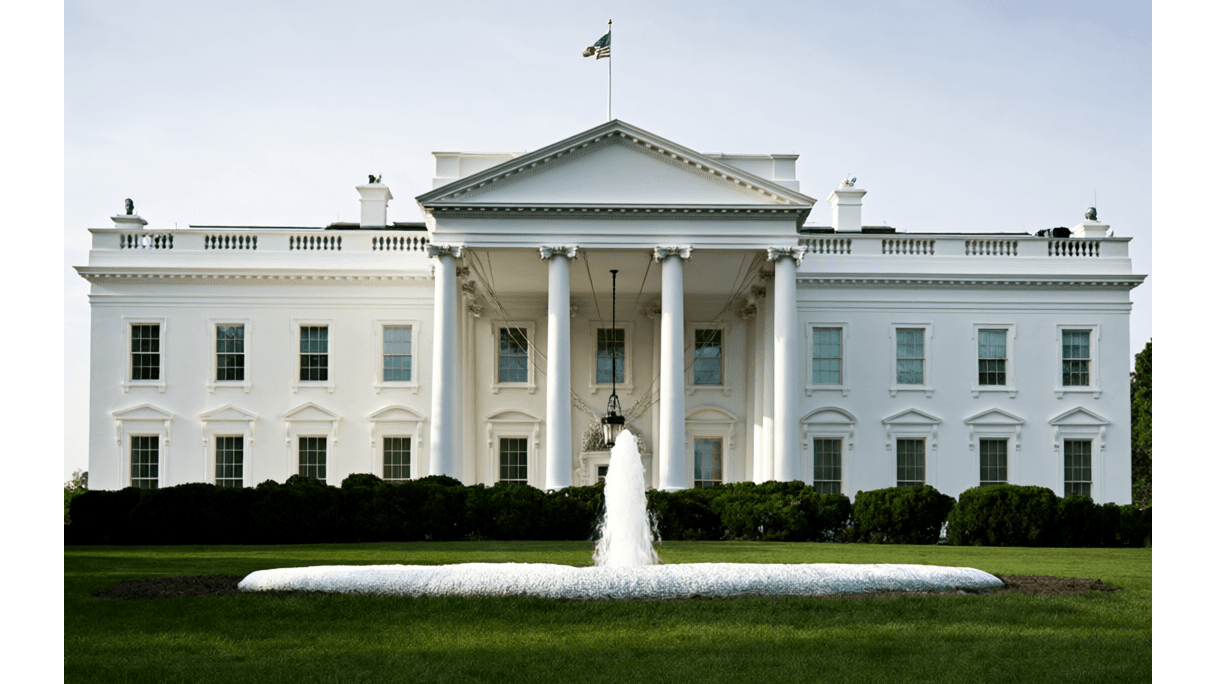
AI-generated image · US National Wire
By rebranding AI and securing 'morally binding' pledges from tech titans, the Trump administration signals a shift from market oversight to existential risk management.
The terminology used by the federal government often serves as the blueprint for future regulation. This week, the White House executed a significant linguistic and policy shift that suggests the era of treating artificial intelligence as a mere commercial sector is ending.
As TechCrunch first reported, President Donald Trump has signed an executive order that officially rebrands AI as “super intelligence.” This is not merely a semantic update. By moving the goalposts from “AI” to “super intelligence,” the administration is signaling a pivot in how these technologies are perceived—moving away from a framework of market competition and toward one of existential risk.
***
**Opinion:** *When the government shifts its lexicon from a functional tool (AI) to a conceptual tier of power (super intelligence), the regulatory focus typically follows. We are likely moving away from antitrust concerns regarding market dominance and toward a safety-first regime where the primary goal is containment rather than competition.*
***
This shift in rhetoric was accompanied by a high-stakes gathering of the industry's most powerful figures. TechCrunch reports that the White House brought nearly every major tech CEO into one room, including Mark Zuckerberg, Jeff Bezos, Elon Musk, and Anthropic’s Dario Amodei. The objective was to secure a signature on an AI safety pledge, which President Trump described as “morally binding.”
While the term “morally binding” lacks the immediate teeth of statutory law, the optics of the meeting suggest a new governing dynamic. Rather than relying on traditional agency oversight to manage corporate behavior, the administration is leveraging the perceived danger of “super intelligence” to establish a voluntary, yet high-pressure, safety pact among the sector's leaders.
Interestingly, the industry is already reacting to this shift in atmospheric pressure. TechCrunch notes that Meta and OpenAI are currently working to put “friendlier faces” on their AI products. This effort to soften the public image of their technology arrives at a moment when the government is explicitly framing the technology as something more potent and potentially perilous than standard AI.
As the administration leans into the concept of super intelligence, the regulatory trajectory is clear: the focus is no longer on how these companies compete in the marketplace, but on whether the technology they are building remains safe for humanity.