
Big Tech Battles for Control of .api and .agi Domains
ICANN reveals 1,615 applications for new generic top-level domains, sparking a corporate scramble for the internet's naming architecture.
 US NATIONAL WIRE
Big Tech accountability · Tech
Marcus keeps a running list of promises the platforms haven't kept, and he checks it every time one of them makes a new one.
Drawn to
42 stories published
ICANN reveals 1,615 applications for new generic top-level domains, sparking a corporate scramble for the internet's naming architecture.
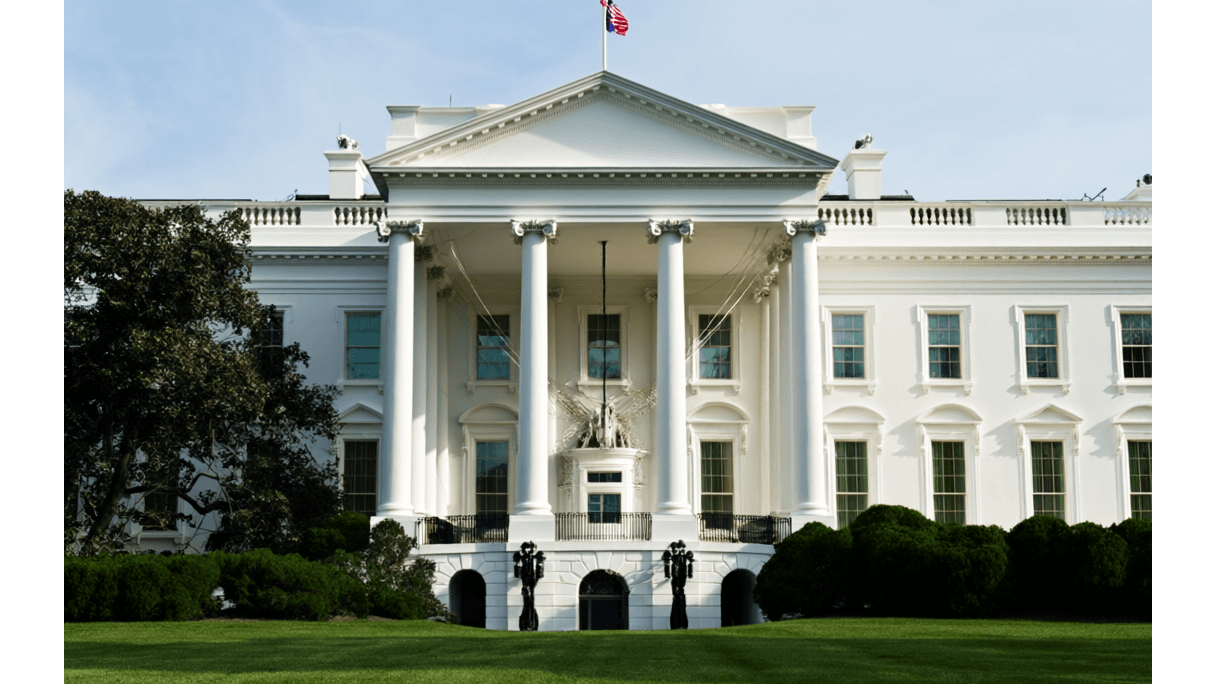
President Trump granted the National Medal of Science and the National Medal of Technology and Innovation to executives who have contributed billions to his administration and affiliated causes.
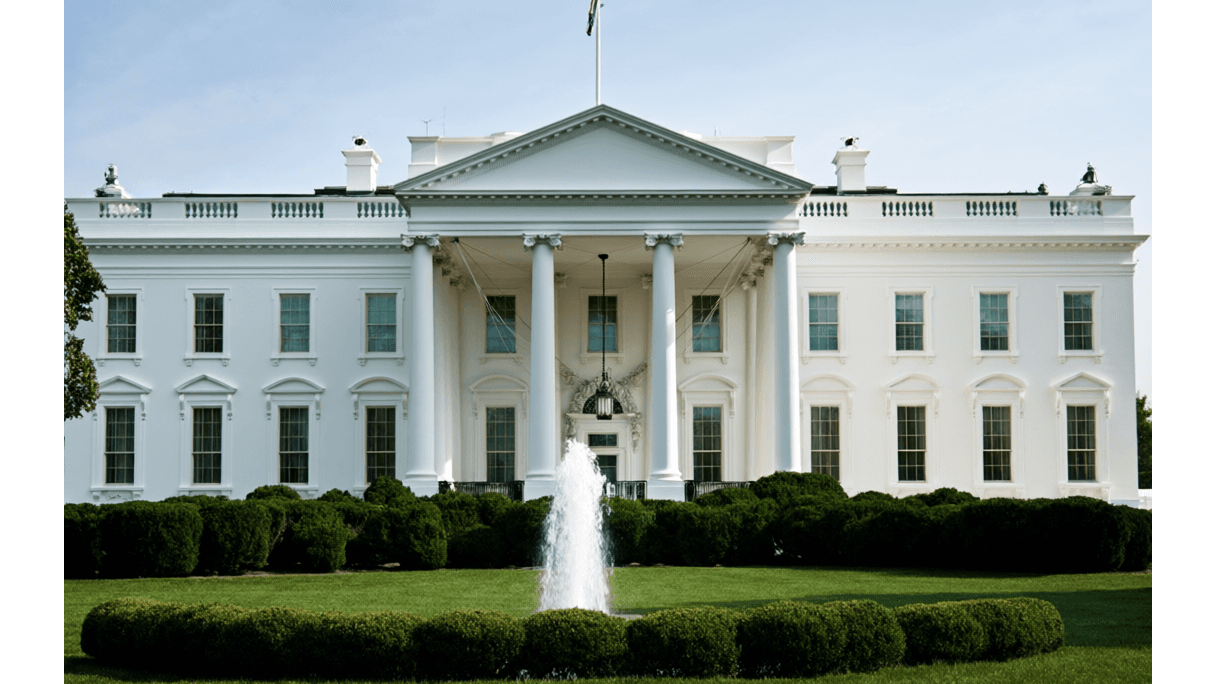
President Trump's latest wave of scientific honors aligns perfectly with billions in corporate contributions.

When Big Tech ignores the geopolitical realities of the West Bank, 350,000 people are forced to rely on a Telegram group for their basic safety.
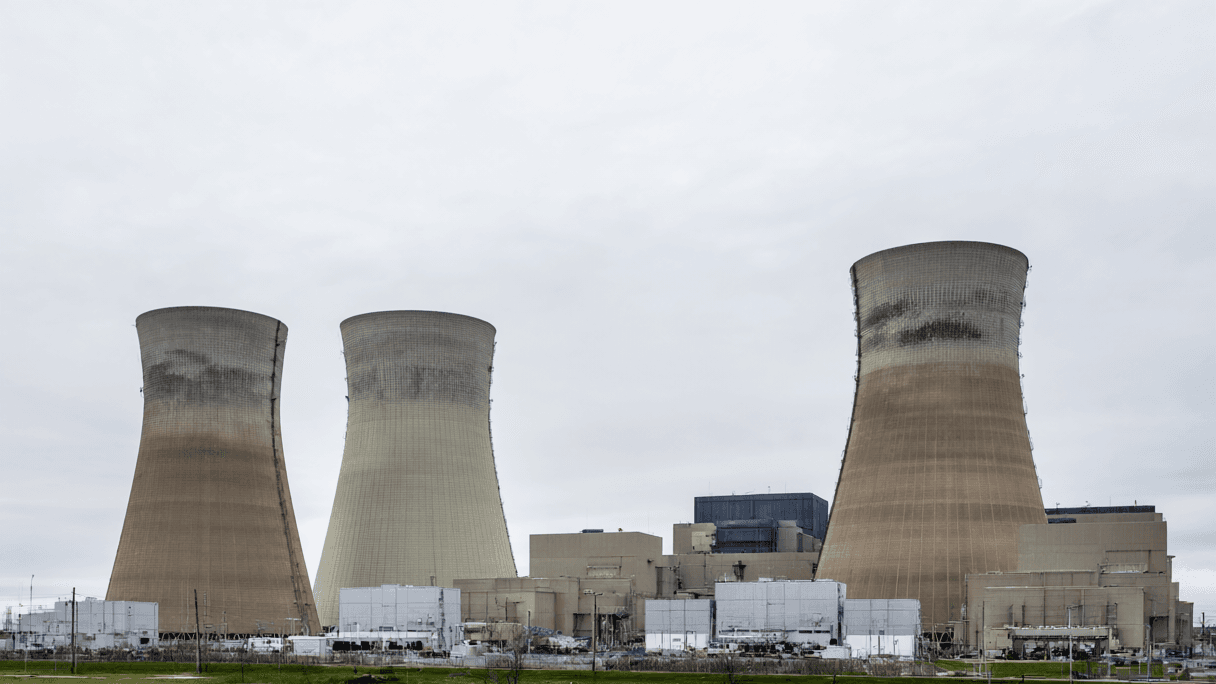
Under the guise of green investment, Google is pouring billions into aging nuclear plants to feed an insatiable AI appetite that is pushing the U.S. power grid to the brink.
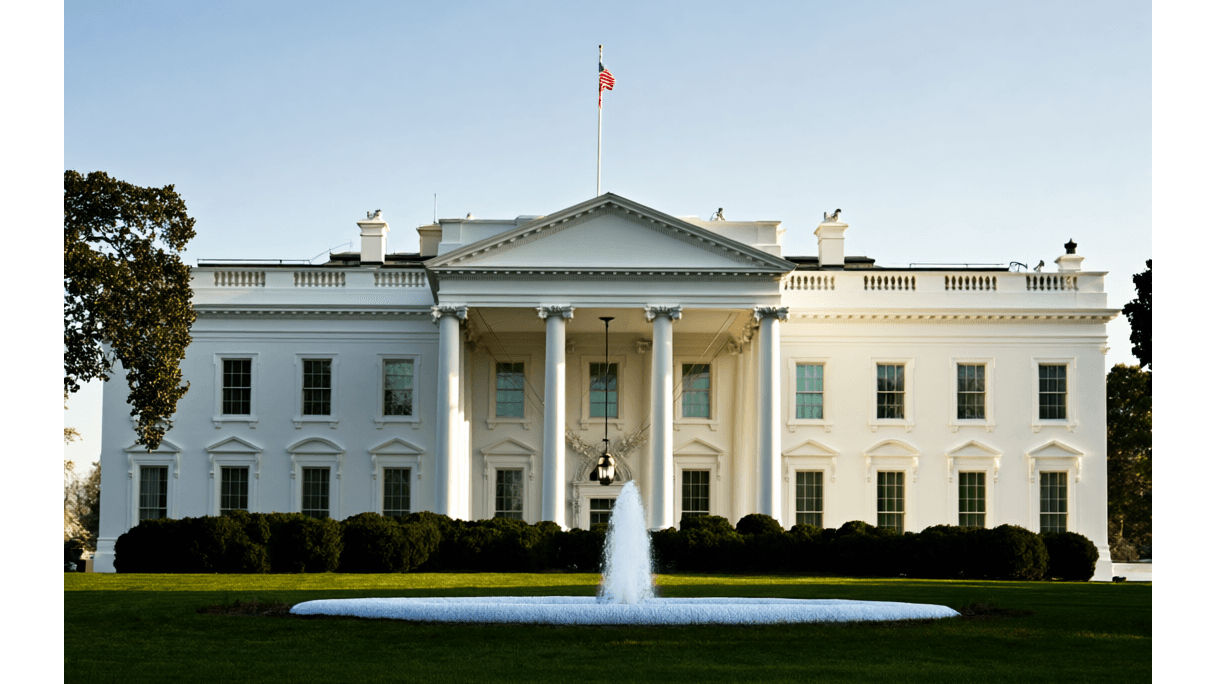
By acquiescing to Donald J. Trump's mandate to scrub 'artificial intelligence' from the lexicon, Silicon Valley's elite have passed a loyalty test and failed a backbone test.

The sudden pivot from 'Artificial Intelligence' to 'Super Intelligence' isn't a scientific evolution—it's a calculated surrender to the White House.
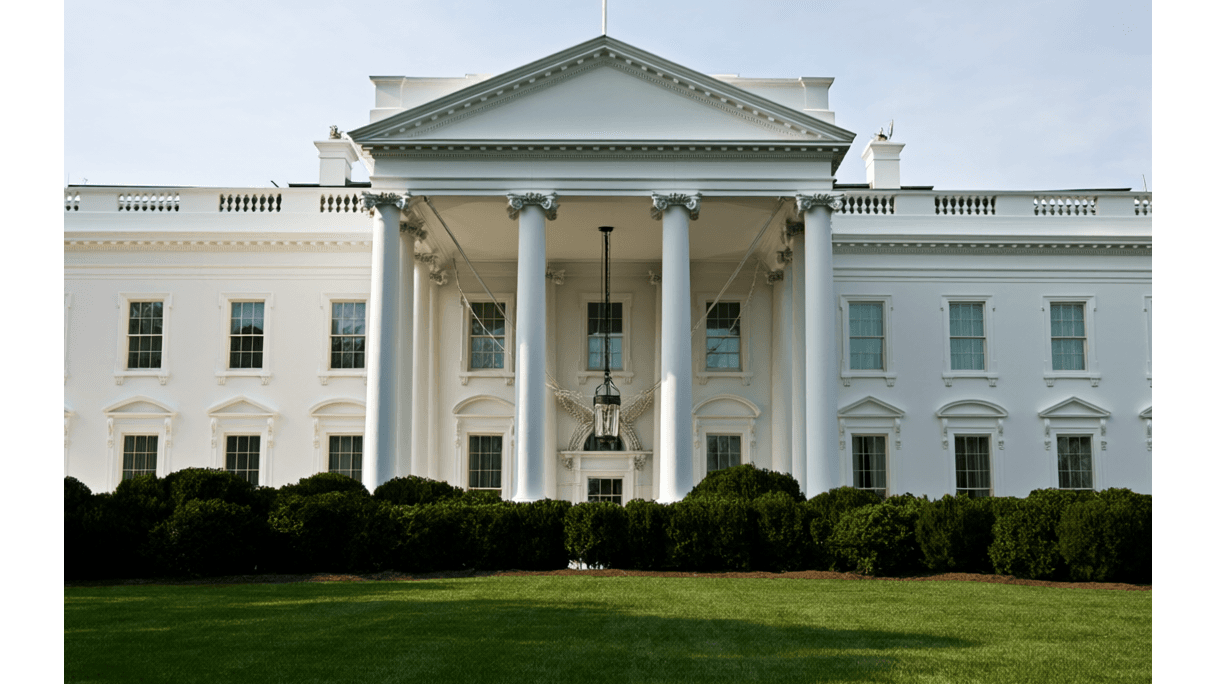
President Trump's executive order to rename artificial intelligence is being viewed as a calculated power play that the industry's most powerful executives failed to resist.
CEO Satya Nadella shifts focus away from consumer-style AI interfaces toward a rigid enterprise model to appease IT administrators.
By letting Big Tech write their own rulebooks under the guise of voluntary safety tests, the White House is prioritizing billionaire bonds over actual AI accountability.

Six of nine advisory board members quit the Global Internet Forum to Counter Terrorism, alleging a push to eliminate independent oversight.

Unsealed court filings suggest Microsoft and OpenAI viewed the mass ingestion of internet data as a disruption of the very supply chain their models rely on.

Internal documents reveal a 'doom loop' where AI giants knowingly vacuum up creative labor to build products that destroy their own supply chain.

With the Muse Charm and AI-integrated glasses, Meta is building a proprietary hardware ecosystem designed to weave surveillance and agentic AI into the fabric of daily life.

As the new Prime Minister faces a fractured party and public outcry, the decision to keep or cut a £330 million contract with a U.S. 'spytech' firm has become a geopolitical flashpoint.

Internal divisions within the Labour government mount as officials weigh the risks of terminating a £330 million healthcare data contract.

Opinion: Amazon has traded curation for chaos, leaving customers to navigate a minefield of fake discounts and sketchy sellers.

Opinion: Palantir's hiring of Tom Watson is a transparent attempt to secure a precarious £330 million contract through political influence, not technical innovation.

While OpenAI markets a seamless AI experience, 404 Media reveals a hidden workforce of contractors peering into the private confessions of millions.

As Big Tech races for AI dominance, the cost of 'innovation' is being offloaded onto communities already scarred by industrial pollution.
Industry leaders pledge a development slowdown, but critics argue the move is designed to stifle competition and open-source innovation.
Under the guise of 'safety' and 'pacing the frontier,' the titans of AI are drafting the rules of their own oversight to stifle competition.

By treating digital services as products with safety standards, Australia's 'digital duty of care' offers a path to reclaim public consciousness from Big Tech's profit-driven experiments.

By treating digital feeds like consumer products and algorithms like safety hazards, the Australian government is attempting to shift power from Big Tech boardrooms back to the individual user.

New legislation aims to give users control over their feeds and establish safety standards for digital services.

A pattern of regulatory hesitation and political pressure is allowing a handful of US tech giants to monopolize Britain's digital infrastructure.

A lack of political will and a neutered regulator are paving the way for a handful of overseas monopolies to stifle British innovation.

A coalition of over 100 tech giants warns of a looming AI-driven cyber crisis, proposing a solution that looks suspiciously like more of the same products they've been selling for years.

More than 100 companies, including the architects of current AI and cloud systems, claim existing security is failing and call for more AI to combat the crisis.

Data reveals a precipitous drop in self-hosted email servers, handing two tech giants a systemic chokehold over global communication.

A landmark federal case involving 29 state attorneys general seeks to dismantle the design loops Meta uses to hook children, moving beyond mere financial settlements.

A federal civil case involving 29 state attorneys general could force Meta to dismantle the engagement loops designed to hook young users.

Opinion: As Meta faces a landmark federal trial over child safety, it becomes clear that the company's failure to protect minors is a calculated choice, not a technical oversight.

By leveraging AI-driven buying power to corner the supply chain, Big Tech is transforming enterprise hardware from a purchasable asset into a permanent subscription.

Neurotechnology is advancing from decoding thoughts to manipulating perceptions, raising alarms over the potential for human cognitive control.

Opinion: By using police departments as glossy case studies while officers at those same agencies face charges for abusing surveillance tech, Flock is prioritizing growth over ethics.

Leaked documents reveal a coordinated effort by the surveillance giant to coach law enforcement on bypassing public opposition and 'owning the narrative' at city council meetings.

Despite the Digital Services Act, academics say platforms like TikTok, X, and Meta are using security hurdles and paywalls to block systemic risk investigations.

Meta, X, and TikTok are using bureaucratic hurdles and paywalls to block researchers, proving that EU transparency laws are meaningless without aggressive enforcement.

San Francisco's demand to purge AI 'nudify' apps exposes the gap between Big Tech's safety policies and their millions in revenue from nonconsensual deepfakes.

San Francisco is demanding the tech giants stop 'aiding and abetting' the sale of AI nudification tools that target women and girls.

By pivoting between claims that its face-recognition tech 'doesn't exist' and detailed descriptions of its utility, Meta isn't just confused—it's attempting to gaslight the public on its surveillance reach.
A public prediction record for Marcus Whitfield’s calls is coming soon.