
The Tether: Zuckerberg’s Quest to Colonize Physical Reality

AI-generated image · US National Wire
With the Muse Charm and AI-integrated glasses, Meta is building a proprietary hardware ecosystem designed to weave surveillance and agentic AI into the fabric of daily life.
Mark Zuckerberg is no longer content with owning your social graph; he wants to own your physical presence. At the Meta Connect 2026 event, the CEO unveiled a calculated expansion of the company's hardware ambitions that signals a move toward a total proprietary ecosystem. The centerpiece of this strategy is Muse, an AI agent that Zuckerberg envisions growing into a "personal superintelligence" used by billions to manage their lives.
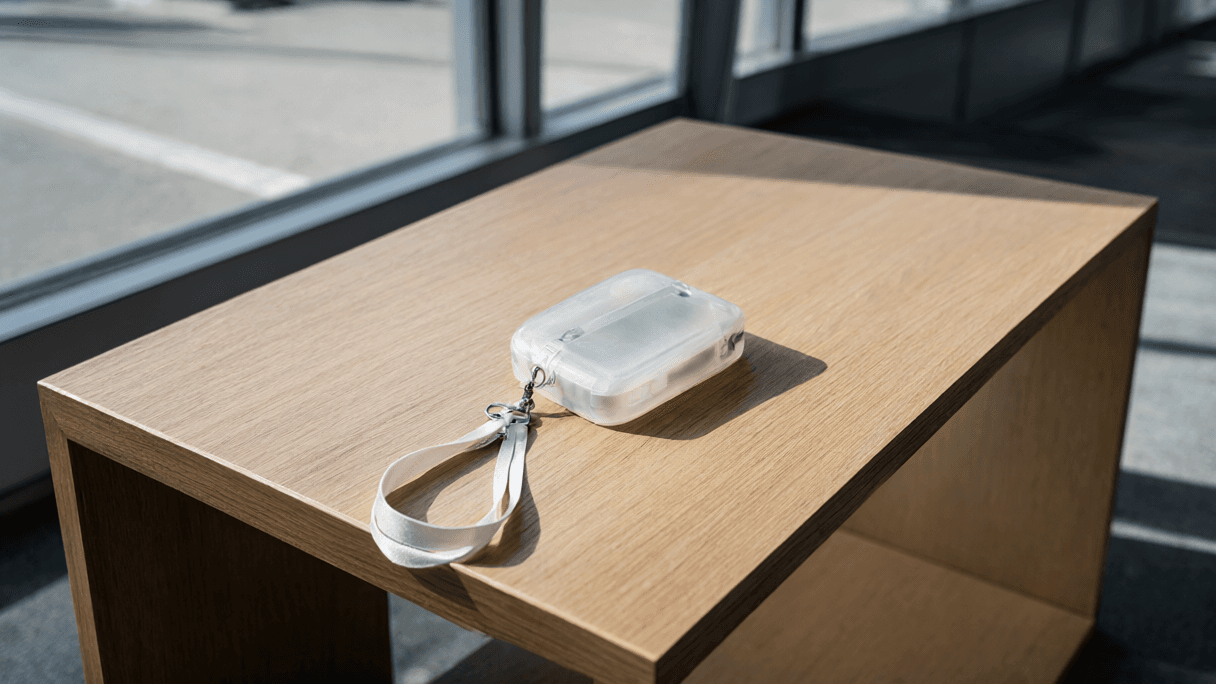
While Muse began as software available on Mac, Android, and iOS, Meta is now aggressively pushing it into the physical world. The most overt example is the Muse Charm, a standalone hardware device that The Verge describes as looking like a chunky, strap-less smartwatch with a lanyard. The device is designed to bypass the phone entirely, featuring a fingerprint sensor for activation, a small camera, and at least three microphones. Zuckerberg teased a "translucent exterior" for the device, which he termed an "elevated hacker aesthetic." Meta intends to ship the Charm by December, though Zuckerberg admitted the company has only built a few prototypes and is still finalizing materials.
But the Charm is only one prong of the strategy. Engadget reports that Meta is integrating Muse into its AI glasses, allowing the agent to operate hands-free. This integration transforms the glasses into a permanent tether to Meta's servers, enabling the agent to log meals, guide workouts, and track items in real-time. Engadget notes that for those already using these "privacy-threatening" glasses, Muse provides a functional incentive to keep them on.
The goal is not mere convenience; it is total integration. According to TechCrunch, Meta is positioning Muse to handle the most sensitive pillars of digital existence. The agent, powered by the Muse Spark multimodal model, can get its own email address, manage calendars, and operate any app on a Mac desktop. Meta's Chief AI Officer, Alexandr Wang, stated that users could walk away from their computers while the agent continues to work on their behalf.
More concerning is the financial architecture Zuckerberg is building around this agent. While Muse is currently free for a large number of tokens, Zuckerberg explicitly stated that Meta expects to profit over time by taking a small fee from transactions. To facilitate this, Meta has secured partnerships with Stripe, Shopify, PayPal, and major retailers including Walmart, Sephora, Best Buy, Gap, and Wayfair. By integrating with Expedia and soon Instacart, Muse is designed to streamline consumer spending.
By combining a dedicated wearable device like the Muse Charm with AI-powered glasses and deep desktop integration, Meta is constructing a closed loop. The "agent" is not just a helper; it is a proprietary layer of hardware and software designed to monitor and mediate every interaction a user has with the physical and digital world.