
The Nuclear Illusion: Google’s Atomic Pivot is a Desperate Play for AI Survival

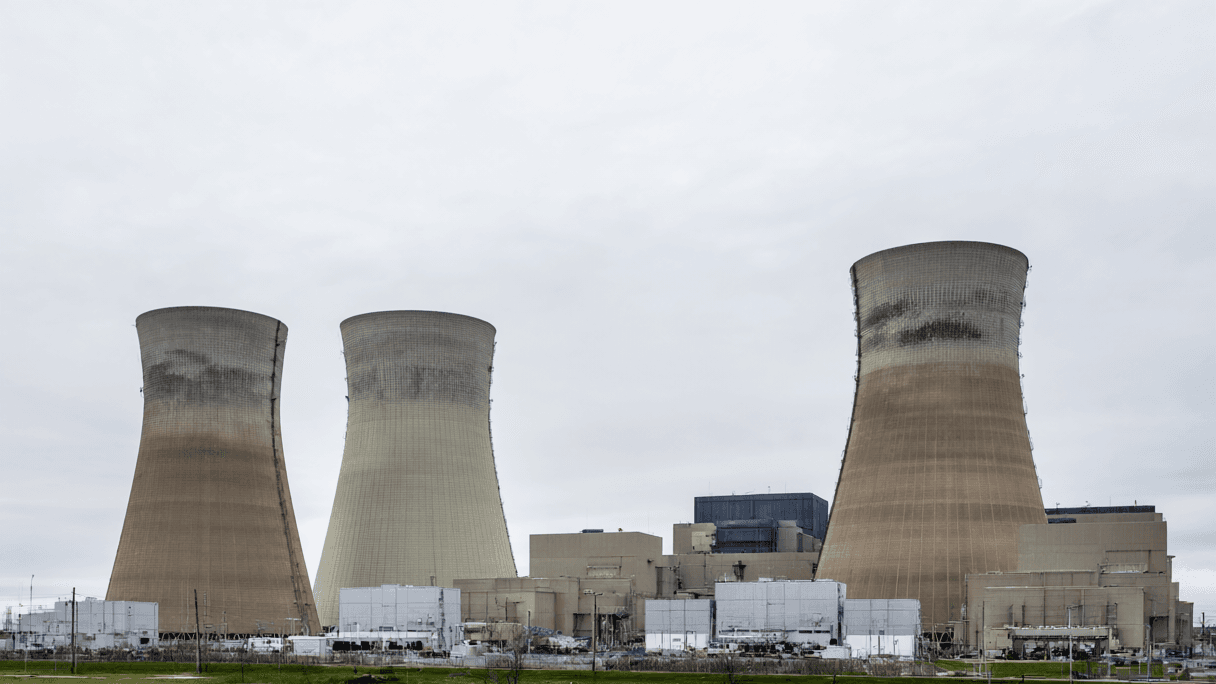
AI-generated image · US National Wire
Under the guise of green investment, Google is pouring billions into aging nuclear plants to feed an insatiable AI appetite that is pushing the U.S. power grid to the brink.
### Opinion: The High Cost of AI Ambition
Let’s be clear: Google’s recent pivot toward nuclear energy is not a visionary leap toward a green utopia. It is a survival tactic. As the company races to scale its artificial intelligence ambitions, it has encountered a brutal physical reality: the current electrical grid cannot sustain the sheer volume of power required by modern data centers.
When a tech giant begins signing multi-billion dollar deals to "tune up" aging reactors, it isn't just innovating—it is scrambling. Google is attempting to bypass the interconnection bottlenecks and construction delays of new plants by squeezing more juice out of the old ones. But in doing so, it risks accelerating a crisis for the average consumer, as the insatiable hunger of GPUs threatens to destabilize the very grids we all rely on.
### The $4.3 Billion Lifeline
According to reporting from *The Verge*, Google has entered into a 20-year power purchase agreement with Constellation, the largest nuclear power plant operator in the United States. This deal is designed to provide the revenue necessary for Constellation to implement efficiency upgrades across six nuclear power plant sites.
As *The Register* reports, these "targeted investments" involve the uprating of at least 11 existing reactors located in Pennsylvania, New Jersey, and Illinois. By modernizing digital control systems, steam generators, and turbines, Constellation aims to unlock an additional 890 megawatts of nuclear capacity. Constellation expects to spend $4.3 billion to fulfill this portion of the agreement, with the first uprated reactor slated to come online by 2028.
While Google and Constellation frame this as a strategic gain—equivalent to the output of three small modular reactors or one large new reactor—it is a drop in the bucket compared to the company's total energy needs. According to *The Register*, Google's projected spending on data centers and compute could reach $205 billion this year alone. Without a guaranteed power supply, that massive investment in hardware is effectively useless.
### The Grid on the Edge
These nuclear investments are concentrated in a specific, high-stress region: the PJM Interconnection grid. Spanning the District of Columbia and 13 states, PJM is the largest power grid in the U.S. and serves Loudoun County, Virginia, the nation's premier hub for data centers.
However, the grid is buckling under the weight of the AI boom. *The Verge* reports that an independent market monitor filed a complaint with the Federal Energy Regulatory Commission (FERC) last year, warning that PJM was planning to allow massive data centers to connect to a grid that could not reliably serve them—a scenario that could potentially trigger blackouts.
The human cost of this energy war is already appearing on monthly utility bills. In New Jersey, a state connected to the PJM grid, electricity rates have surged by 54 percent over the last five years. The pressure has reached a boiling point; in January, governors from the PJM operating states and the Trump administration issued a joint statement urging PJM to hold an "emergency" power auction to facilitate new plant construction. While PJM initially moved toward this, *The Verge* reports that FERC recently directed PJM to revise its proposal to ensure data centers do not drive up electricity costs for other customers.
### The "Green" Facade
Google often wraps these deals in the language of sustainability, but the company's own data tells a different story. According to Google's latest sustainability report, cited by *The Verge*, the company's carbon emissions rose by 18 percent last year, while its electricity demand jumped by 37 percent.
Furthermore, Google’s reliance on Constellation extends beyond the nuclear-specific deal. The company signed a separate, larger 15-year energy supply agreement for 2,700 megawatts from other existing Constellation plants within the PJM grid, regardless of the fuel used. This is a critical distinction. Constellation’s own sustainability report reveals that while nuclear made up 70 percent of its generating capacity last year and renewables accounted for 8 percent, gas and oil comprised the remaining 22 percent.
With gas making up the largest portion of the PJM fuel mix, Google’s desperate need for power is contributing to a broader surge in gas infrastructure projects, actively pulling the company away from its stated sustainability goals.
### An Industry-Wide Scramble
Google is not alone in this desperation. The race to secure "baseload" power for AI has turned the tech giants into the primary patrons of the nuclear industry. *The Register* reports that Microsoft has partnered with Constellation to restart the Three Mile Island Unit 1 reactor, which is expected to be operational as early as next year.
Meta is also aggressively pursuing nuclear options. *The Register* notes that Meta is working with Constellation to save a failing nuclear plant in Illinois. Meta previously claimed its clean energy and nuclear commitments totaled 6.6 gigawatts, though that figure relies heavily on the deployment of small modular reactors—a technology *The Register* describes as an "unproven form of miniature nuke plant."
As these giants compete for a limited supply of electricity, the priority is clear: the AI models must run, regardless of the strain on the grid or the cost to the public. Google’s nuclear pivot isn't a miracle of green engineering; it is a frantic attempt to keep the lights on in the data center, even if it means the rest of us pay the price.