
The $230 Billion Question: Can US Tech Survive a Total Reshoring Shock?

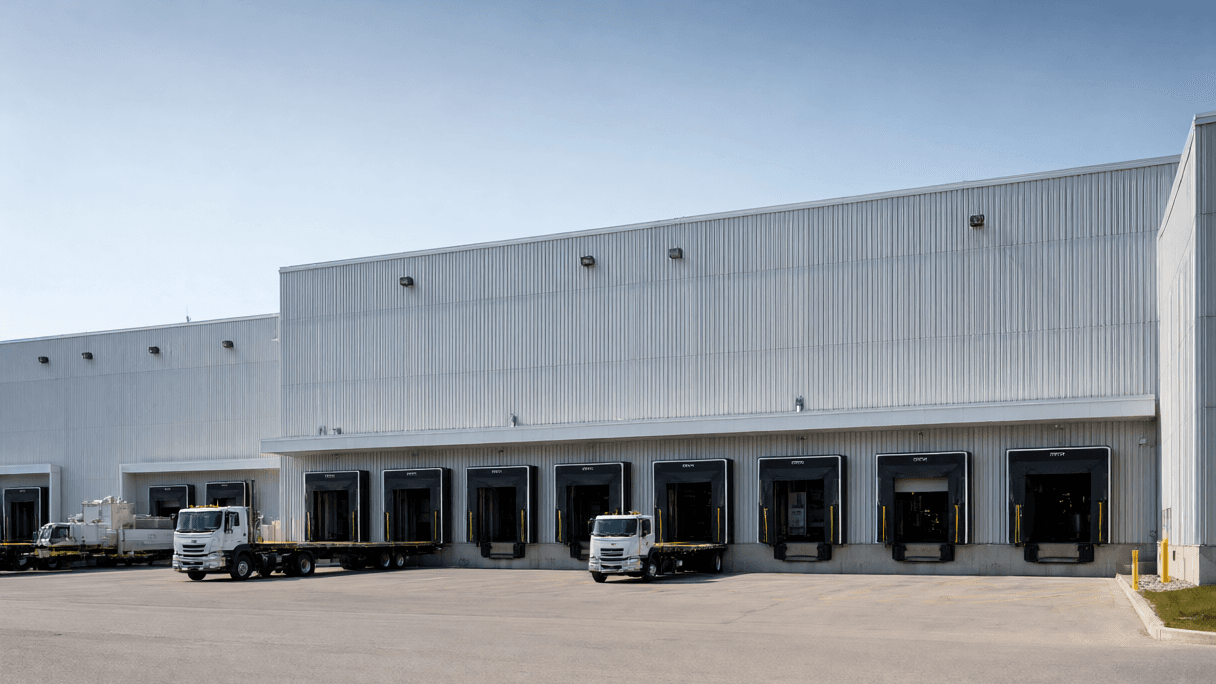
AI-generated image · US National Wire
A new analysis from the Consumer Technology Association suggests that Donald Trump's 'Genesis Mission' could create a capital and labor crisis that threatens the very innovation it seeks to protect.
In the world of clean tech and hardware, we often talk about 'reshoring' as a strategic necessity. But there is a massive difference between a gradual transition and a systemic shock.
President Donald Trump has made this distinction the centerpiece of his "Genesis Mission," an executive order launched last December. The goal is aggressive: leverage US dominance in AI to secure a lead in semiconductors, biotechnology, nuclear technologies, and advanced robotics by ensuring the most in-demand technologies are 100 percent made in the United States. In Trump's vision, the US should not rely on any foreign entity—including longtime allies—for a single component.
However, as I always say, follow the deployment, not the rhetoric. As Ars Technica first reported, the Consumer Technology Association (CTA) recently crunched the numbers on this vision, and the results are sobering.
**The Cost of Total Independence**
The CTA analyzed 10 common household product categories: computer monitors, laptops, robotic vacuums, smart speakers, smartphones, smartwatches, televisions, video game consoles, wireless earbuds, and wireless headphones. To reach full US production by 2031, the CTA estimates the capital expenditure would range between $185 billion and $230 billion.
But the financial bill is only part of the problem. The CTA warns of a massive labor shortfall, noting that the plan would require between 555,000 and 668,000 additional full-time employees—more than double the current US workforce for computer and electronics manufacturing. Furthermore, the energy required for this industrial pivot would compete directly with the immense power demands of AI data centers.
**The Innovation Tax**
From a pragmatic standpoint, the most concerning aspect is the cost of production. The CTA reports that smartphones are in a "league of their own," with manufacturing costs projected to rise by 152 percent. Laptops and smartwatches would see cost increases of 93 percent and 97 percent, respectively, while TVs would rise by 41 percent.
While companies may not pass every cent to the consumer, the CTA estimates a weighted average price increase of 27 to 55 percent across these 10 products. For families already struggling with the cost of fuel, groceries, and rent, these price hikes could lead to delayed purchases. This creates a dangerous feedback loop: lower sales volume squeezes margins, which could spook investors and ultimately starve the very companies tasked with building this domestic infrastructure.
**A Pragmatic Alternative**
Is there a path that doesn't break the system? The CTA has proposed a "first step" that focuses on reshoring assembly rather than every single component. This approach would drop the estimated cost to between $16 billion and $19 billion.
Under this model, smartphone manufacturing costs would still rise, but by 67 percent rather than 152 percent. To make this viable, the CTA suggests that Trump eliminate tariffs on components sourced from trusted allies and trading partners. This would allow the US to reduce reliance on rivals like China without incurring the prohibitive costs of building a 100 percent domestic supply chain from scratch overnight.
**Bianca's Take (Opinion):** Reshoring is a marathon, not a sprint. If the administration pushes for total autonomy without accounting for the labor and energy gaps, they risk creating a fragile ecosystem that is too expensive to compete and too understaffed to innovate.