
The Courtroom as the New Climate Frontier

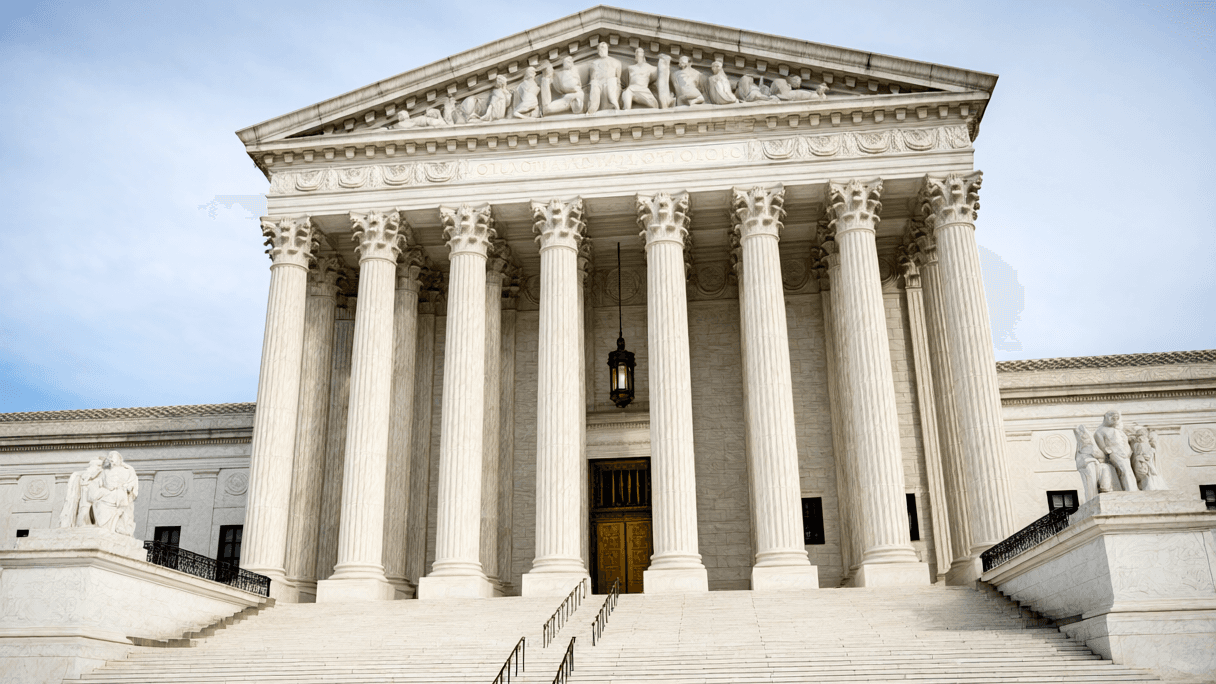
AI-generated image · US National Wire
As the industry moves from lab breakthroughs to real-world deployment, a pivotal SCOTUS decision will determine if that deployment carries a price tag for environmental damage.
For years, the climate conversation has been dominated by funding rounds and laboratory breakthroughs. But as we move into the era of deployment, the real battle for accountability has shifted from the research facility to the courtroom. The central question is no longer just about how to build a cleaner future, but who pays for the damage caused by the old one.
This tension is currently playing out before the U.S. Supreme Court in the case of *Suncor v. Boulder*, as first reported by Ars Technica. The lawsuit, originally filed in 2018 by the city and county of Boulder against Suncor Energy and ExxonMobil in Colorado state court, is one of more than two dozen similar claims. These lawsuits allege that the oil industry deceived the public regarding climate change and seek billions of dollars in damages to cover the costs of extreme weather events.
As reported by Ars Technica, the oil companies are not arguing the merits of these deception claims, but are instead attempting to kill the lawsuits before they ever reach a trial. Kannon Shanmugam, representing Exxon and Suncor, argued that allowing these cases to proceed would enable approximately 90,000 municipalities to dictate international energy policy by seeking "catastrophic damages" through juries. The industry's position is that federal law—specifically the Constitution and the Clean Air Act—preempts state and local governments from bringing such claims.
However, the plaintiffs argue that this is not a regulatory effort. Kevin Russell, arguing for Boulder, stated that the case is not about emissions or limiting pollution, but is instead "about deception." Russell contended that neither the Constitution nor the Clean Air Act prevents states from seeking damages, noting that such actions are similar to imposing a gas tax.
**Analysis: The Deployment Liability Gap**
(Opinion) In my view, this case represents the ultimate test of corporate accountability in the clean tech transition. If the Supreme Court rules that federal law shields companies from state-level deception claims, it effectively decouples industrial deployment from legal liability. For the pragmatic optimist, the goal is rapid scaling of climate solutions, but that scaling cannot happen in a vacuum where the costs of previous environmental harms are shifted entirely onto the taxpayer.
As Boulder city manager Nuria Rivera-Vandermyde noted in a statement reported by Ars Technica, the city is already dealing with the realities of drought, wildfires, floods, and extreme heat. The core of the dispute is whether taxpayers must bear these infrastructure costs alone or if the defendants must pay their share.
There are several technical hurdles that could decide the outcome. Justice Clarence Thomas questioned whether the court even has jurisdiction to hear the case since no ruling has yet been issued. Michael Gerrard, faculty director at the Sabin Center for Climate Change Law at Columbia University, suggested to Ars Technica that the jurisdictional question—whether it is too early for the court to intervene—might be Boulder's strongest path forward. Furthermore, Justice Samuel Alito recused himself from the case due to oil company stock holdings, creating the possibility of a tie vote, which would allow the case to proceed.
With the Trump administration intervening to block the lawsuits and conservative groups filing briefs in support of the oil companies, the legal machinery is moving as fast as the climate crisis itself. The outcome will determine if "deployment" includes a reckoning for the deception that delayed the transition.