
The Climate Fight Has Moved From the Lab to the Courtroom

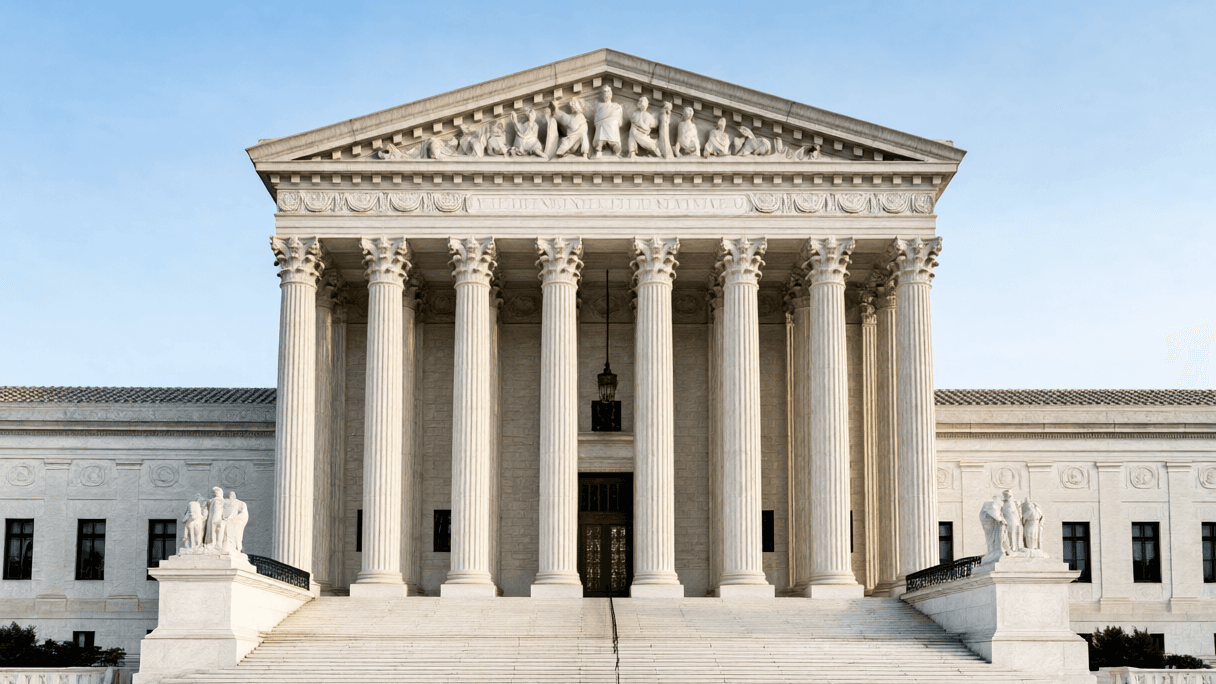
AI-generated image · US National Wire
Opinion: Big Oil is betting that a legal technicality can erase decades of documented deception and shield them from the costs of climate catastrophe.
In the world of clean tech, we often obsess over the next breakthrough in the lab or the latest funding round for a carbon-capture startup. But if you want to see where the real battle for the planet is being fought, look away from the scientists and toward the Supreme Court.
As Ars Technica first reported, the oil industry is currently attempting to kill more than two dozen lawsuits before they even reach a trial. These cases, which include a 2018 suit brought by the city and county of Boulder against Suncor Energy and ExxonMobil, aren't about debating the science of emissions. They are about deception. The plaintiffs are seeking billions of dollars in damages to cover the costs of extreme weather, floods, and wildfires—costs that Boulder city manager Nuria Rivera-Vandermyde argues should not be borne by taxpayers alone.
However, the industry's strategy is a masterclass in avoidance. Rather than facing a jury on the merits of whether they misled the public, oil companies are leaning on technical legal arguments to ensure the trials never happen. Kannon Shanmugam, arguing for Suncor and Exxon, claims that allowing these cases to proceed would let thousands of municipalities dictate national and international energy policy. It is a convenient narrative: frame a request for damages as an attempt to regulate global conduct, and suddenly the case is no longer about corporate accountability, but about jurisdictional overreach.
This isn't just a legal disagreement; it's a coordinated campaign. Ars Technica notes that Republicans have introduced federal legislation to shield the industry, and the Trump administration has intervened in several cases, including Boulder's, to block them. Even the scientists involved are under fire, with Politico reporting that conservative groups have filed over 100 public records requests targeting the work and funding of researchers cited in these cases.
During Monday's hearing, the arguments centered on whether the Clean Air Act or the Constitution preempts state claims. Kevin Russell, arguing for Boulder, pointed out a critical distinction: the case is not seeking an injunction on activity or a limit on pollution, but damages for deception. Yet, Michael Gerrard of the Sabin Center for Climate Change Law observed that several conservative justices seemed inclined to agree that federal law might preempt some of these claims.
We are witnessing a gamble. The oil industry is betting that the Supreme Court will prioritize federal preemption over state-level accountability. If they succeed, they won't have to prove they were honest; they will simply have proven that they are untouchable.
There is a sliver of hope in the procedural chaos. Justice Samuel Alito recused himself due to oil stock holdings, leaving the possibility of a tie vote that could allow the cases to proceed. But the broader lesson is clear: the most dangerous obstacle to climate justice isn't a lack of technology—it's a legal system being weaponized to ensure that those who profited from deception never have to pay the bill.