
The Electrification Delusion: Why PowerPoint Targets Won't Fix a Fragile Grid

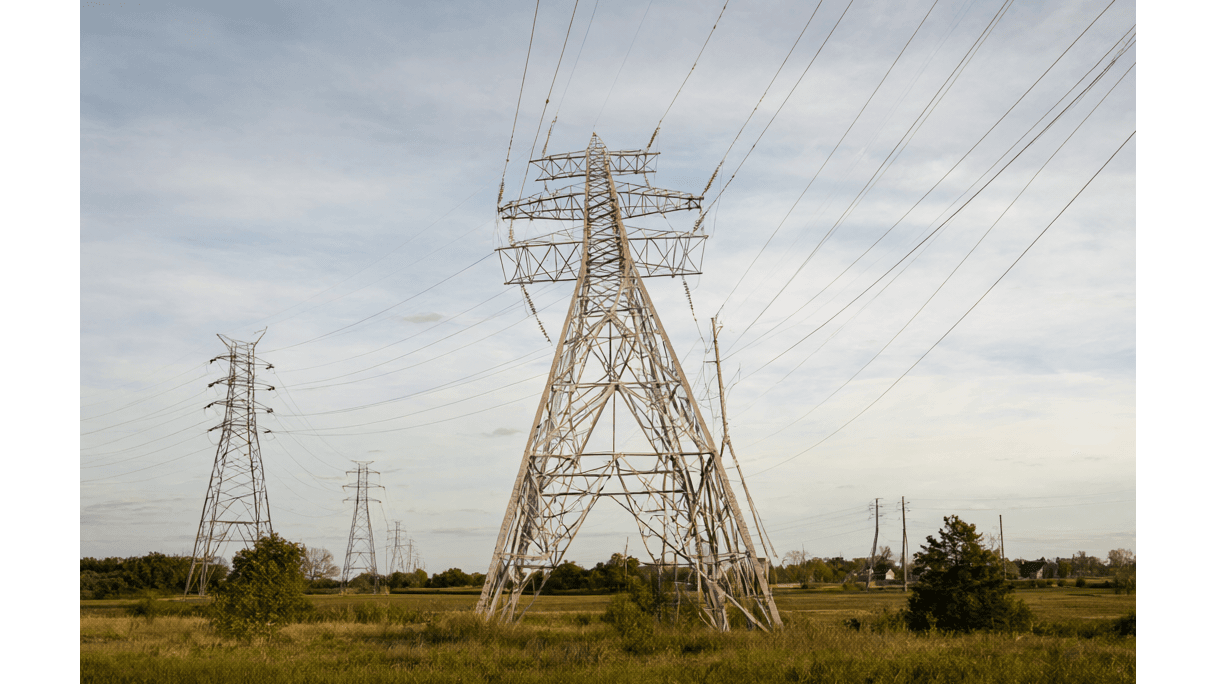
AI-generated image · US National Wire
Opinion: The IEA's vision of an aligned 'energy trilemma' is a compelling theory, but without addressing brutal infrastructure costs and political inertia, 2035 targets remain fantasy.
In the world of climate policy, we have a penchant for the elegant slide deck. We set ambitious targets, map out theoretical trajectories, and celebrate when the math suggests that electrification is the logical path forward. But as a pragmatic observer of clean tech deployment, I have a growing concern: we are treating the transition to electricity as an inevitability of economics rather than a grueling feat of physical engineering.
Recently, Fatih Birol, head of the International Energy Agency (IEA), presented a hopeful vision at the United Nations. He spoke of the "energy trilemma"—the historical struggle to balance energy security, economic cost, and environmental impact. According to Birol, these three objectives are finally aligning. He is not wrong about the raw economics. As Ars Technica first reported, IEA data from 2025 shows a clear efficiency edge: $100 of electricity can propel an electric vehicle 2,310 miles, compared to just 862 miles for an internal-combustion engine using $100 of gasoline. Similarly, heat pumps offer a 40 percent advantage over gas boilers in terms of how many days of heating $100 can buy.
On paper, the case is closed. The IEA notes that the share of final energy coming from electricity grew from 16.7 percent in 2000 to 23.4 percent in 2025. Birol is now pushing for a target of 35 percent electrification of final energy by 2035, a goal discussed by climate policymakers in Bonn, Germany.
But here is the reality: a target is not a transmission line. A goal is not a substation.
Kenneth Medlock III, senior director for the Center for Energy Studies at Rice University’s Baker Institute for Public Policy, observes that the push for electrification frequently fails to account for the massive upfront capital required to construct these systems. Whether it is wind, solar, or fossil-fuel plants, the expenditure needed to overhaul a physical grid is immense. We cannot simply "will" these systems into existence because the operating costs are lower.
This infrastructure gap is even more pronounced in the developing world. Chuks Okereke, a professor at the University of Bristol, notes that in places like Nigeria, highly polluting development often makes more short-term economic sense because the upfront cost of clean infrastructure is so prohibitive. Without massive assistance from international organizations and wealthy nations, the "optimism" Birol promotes ignores the material reality of these economies.
Then there is the political friction. Emily Grubert, an energy systems researcher at the University of Notre Dame, argues that the transition isn't happening naturally because the people setting the targets aren't the ones making the final decisions. In many regions, including the United States, entrenched fossil fuel industries hold significant political sway, prioritizing short-term profits over the systemic overhaul required for electrification.
Even if we solve the politics, we face the "Rorschach test" described by David Victor, a professor at the University of California, San Diego. He warns that trade barriers—such as the desire to avoid relying on Chinese solar panels—and the sheer difficulty of electrifying heavy trucks, aircraft, and maritime transport create inescapable trade-offs.
If we want to hit that 35 percent target by 2035, we need to stop talking about the "trilemma" as if it has already been solved. The economics are aligned, but the physical and political grids are not. Until we prioritize the brutal work of deployment over the comfort of the PowerPoint, electrification will remain a theoretical victory.