
Longshot's Space Gun is a Flashy Pitch, but the Infrastructure Gap is the Real Story

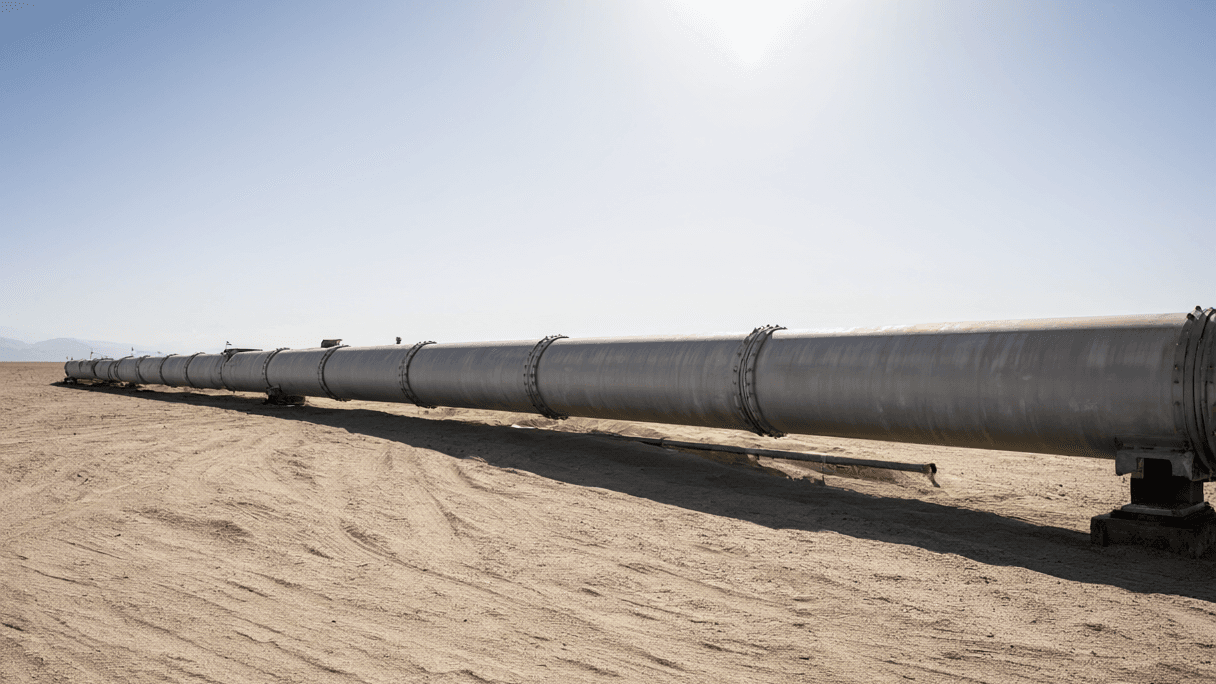
AI-generated image · US National Wire
Opinion: While the promise of $50-per-kilogram launches is seductive, the path to orbital data centers requires massive capital for ground-based hardware that far exceeds a $20 million seed round.
In the world of space tech, novelty is often mistaken for viability. As first reported by TechCrunch, Longshot Space Technology, the Alameda-based startup pitching a multi-injection gun to fire cargo into orbit, is currently winning the novelty game. But as someone who follows the money and the orbits, I find the 'space gun' a distracting centerpiece. The real question isn't whether you can shoot a projectile at Mach 8; it's whether you can fund the staggering infrastructure required to turn a physics experiment into a legitimate asset class.
According to reporting from TechCrunch, Longshot CEO Mike Grace and CTO Nato Saichek are betting on a design that collapses the first stage of a rocket into a reusable ground-based accelerator. The concept is aggressive: use high-pressure gas tanks to propel lifting-body projectiles. They've already demonstrated Mach 4 speeds with a 70-foot gun in Barstow, California, and are scaling up to a 328-foot version capable of Mach 8.
On paper, the economics are a dream. Grace tells TechCrunch he expects to eventually send payloads to space for roughly $50 per kilogram. To put that in perspective, the orbital data center industry reportedly needs costs to drop to around $300 per kilogram to become viable. If Longshot hits that mark, they don't just compete; they rewrite the ledger for orbital infrastructure.
But here is where the 'contracts-and-orbits' reality sets in. To actually reach space, Longshot's vision requires a gun 10 kilometers long and nearly 10 feet in diameter. The company has raised about $20 million from venture investors—a respectable start for a prototype, but a rounding error when considering the cost of a six-mile-long steel pipe and the associated high-pressure gas infrastructure.
As CTO Nato Saichek joked to TechCrunch, the hardest part isn't the engineering, but finding a place that will actually let you build something of that scale. That is a polite way of saying the zoning, land acquisition, and construction costs for a 10-kilometer accelerator are astronomical.
Longshot is currently playing a clever game of 'de-risking' by securing U.S. military contracts to provide cheap hypersonic testing. Grace envisions installing these systems at sites like Fort Bliss to create 'hypersonic clay pigeons' for interceptor testing at a fraction of the $30 million cost of traditional launches. This is a smart short-term revenue stream, but it is not a path to a 10-kilometer orbital launcher.
If Longshot wants to move from being a military contractor for hypersonic targets to the backbone of the orbital data center industry, they need more than just a proven barrel design. They need a massive infusion of infrastructure capital that dwarfs their current venture funding. Until we see a funding roadmap that matches the scale of a six-mile gun, the $50-per-kilogram figure remains a theoretical projection rather than a business reality.
Longshot is attempting to do with multi-injection guns what SpaceX did with NASA rocket research: scale a known technology aggressively. But while SpaceX scaled vertical rockets, Longshot is trying to scale a horizontal behemoth that requires a geographic footprint almost unheard of in private aerospace. The gun is a flashy pitch, but the real story is the funding gap between a 328-foot test pipe and a 10-kilometer orbital gateway.