
Deployment Over Dreams: How Rivian's R2 Scales Decarbonization

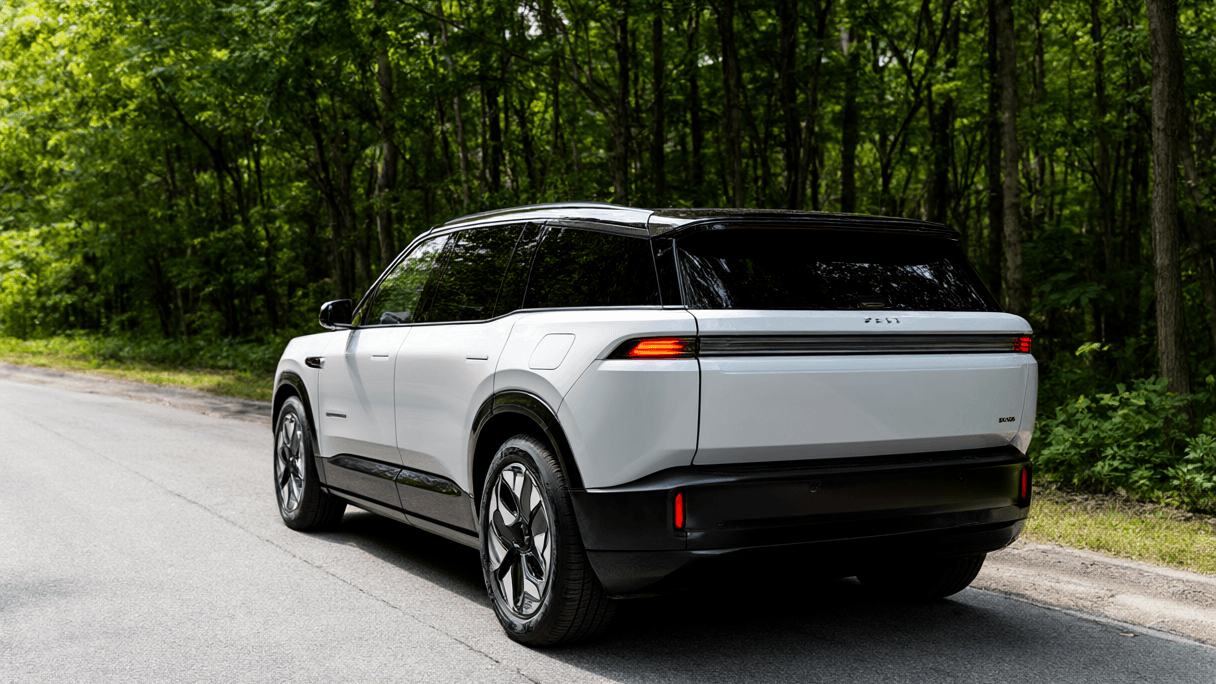
AI-generated image · US National Wire
By hitting its 2030 carbon reduction targets four years early, Rivian is proving that mass-market scaling doesn't have to compromise climate goals.
In the clean tech world, there is a persistent tension between scaling for the masses and maintaining strict decarbonization targets. Too often, the 'mass-market' version of a product involves cutting corners on sustainability to keep costs low. However, Rivian is currently offering a counter-narrative with the deployment of its R2 vehicle.
As The Verge first reported, Rivian has achieved a 50 percent lifetime carbon reduction for the R2 compared to its original 2022 R1 lineup. While the company had initially set this target for 2030, its 2025 impact report reveals that it hit this milestone four years ahead of schedule.
From a deployment perspective, this is a significant win because the R2 isn't a niche, luxury experiment or a stripped-down micro-car. As The Verge notes, the R2 is a mass-market SUV designed for a broad customer base. Achieving these reductions on a flagship vehicle intended for wide distribution suggests that efficiency and sustainability can scale in tandem.
Rivian attributes this success to a rigorous focus on weight, efficiency, aerodynamics, and materials. The company's approach to the R2's physical composition is particularly telling of its commitment to lifecycle emissions. The Verge reports several specific material wins:
* **Floor mats:** Composed of 99 percent ocean waste. * **Frunk and trim:** 85 percent post-consumer recycled material. * **Battery pack resin cell trays:** 100 percent recycled. * **Surface materials:** Sourced from paper industry waste from managed Nordic forests.
Beyond the materials, the production process for the R2 relies more heavily on renewable energy. The result is a vehicle that generates 58 percent lower lifetime emissions than a comparable gas-powered alternative, according to The Verge.
This progress comes at a precarious time for the EV industry. The Verge reports that many competitors have stepped back from electric vehicles amid waning consumer interest and the rollback of government-backed incentives. Rivian, however, is leaning into growth. The company expects to deliver approximately 70,000 vehicles in 2026, driven largely by the R2—a substantial increase from the roughly 42,000 vehicles delivered the previous year.
While the company is also expanding into AI—including robotaxis for Uber and plans for an "eyes-off" autonomous driving system—the R2 serves as the primary proof of concept for Rivian's industrial philosophy: that the path to mass adoption does not require a retreat from climate commitments.