
U.S. Navy Pivots Toward Co-Investment to Accelerate Tech Deployment

AI-generated image · US National Wire
Chief Technology Officer Justin Fanelli is shifting the Navy away from funding early-stage research, instead relying on venture capital to mature autonomous and AI systems.
The U.S. Navy is moving away from traditional government-funded early research in favor of a "co-investment" model, according to reporting from TechCrunch.
Justin Fanelli, the Department of Navy’s chief technology officer, told TechCrunch that the Navy is increasingly relying on commercial investors to bridge the gap from seed stage through Series B. While the Navy typically spends in the $150 billion range annually, Fanelli is attempting to shift the burden of early-stage R&D to the private sector. To facilitate this, the Navy is issuing vetted technology priority lists to signal to investors exactly what the military intends to purchase.
Fanelli noted that the Navy now primarily buys from companies at the Series D through F stages. This shift toward market-tested technology is evident in recent acquisitions detailed by TechCrunch:
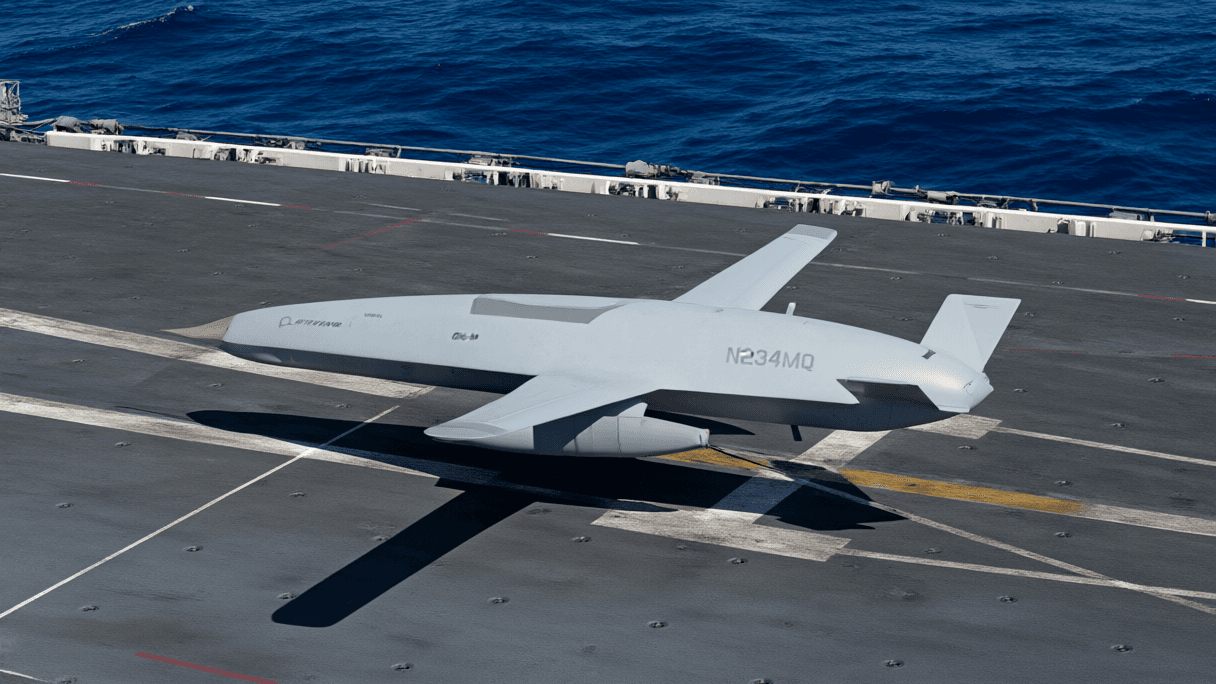
* **MQ-25 Stingray:** A $562 million contract awarded this month for an autonomous refueling drone. * **Applied Intuition:** Commercial cameras and software that replaced a delayed contractor system, shortening the deployment timeline by approximately four years. * **Armada:** Edge compute hardware delivered via server-packed shipping containers. * **Gecko Robotics:** Automated inspection services. * **Domino Data Lab:** Management of the Navy's machine learning pipeline.
Fanelli described this approach as moving away from a "spaghetti chart" of entry points toward a streamlined funnel. He noted that while taking direct equity stakes remains rare, the goal is to avoid the slow pace of traditional prime contractors. To maintain speed, buying decisions are handled by a small source selection committee rather than a sprawling review process.