
The TPU Pivot: Why Oracle is Desperately Diversifying Away from Nvidia

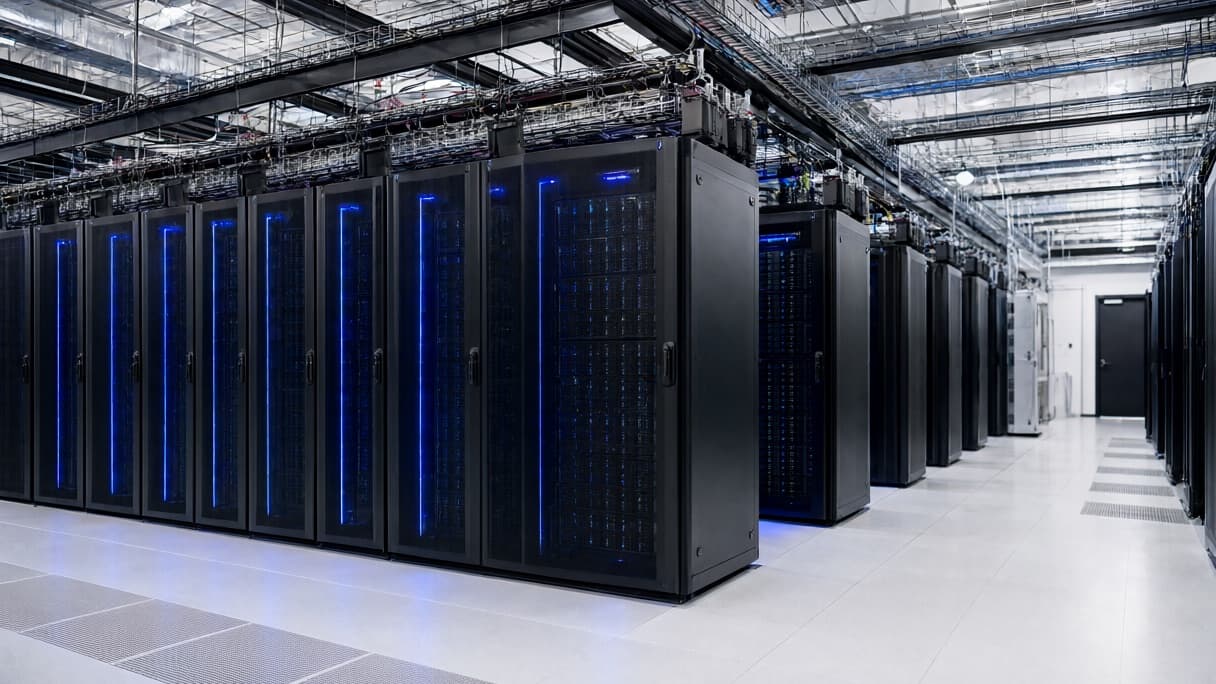
AI-generated image · US National Wire
Opinion: Oracle's move to bring Google TPUs to OCI is a necessary strategic hedge against a dangerous reliance on a single chip supplier.
Let’s be clear: Oracle is currently trapped in a high-stakes dependency. As first reported by The Register, the company is celebrating record earnings for the quarter ending August 31—with revenue climbing 30 percent year over year—but the underlying hardware architecture of Oracle Cloud Infrastructure (OCI) is far too tethered to one source.
According to The Register, Oracle has inked deals worth tens of billions of dollars with Nvidia to outfit its data centers. This includes a project in Texas involving Nvidia and OpenAI that has been described as reportedly troubled. When you are spending tens of billions on a single vendor, you aren't just a customer; you are a hostage to that vendor's roadmap and pricing.
This is why Oracle's announcement in Las Vegas regarding Google's Tensor Processing Units (TPUs) is the most critical piece of news from the event. By bringing Google TPUs to OCI starting in 2027, Oracle becomes the first hyperscale cloud platform outside of Google's own ecosystem to offer these chips.
From my perspective as a hardware nerd, this isn't just about "flexibility." OCI president Mahesh Thiagarajan framed the move as a way to give customers the right infrastructure for the "performance, throughput, and economics" of specific AI workloads. But read between the lines: this is a desperate, necessary pivot to break the Nvidia stranglehold.
Oracle is trying to have it both ways. They are still playing the Nvidia game—announcing the general availability of Nvidia Vera Rubin NVL72 systems and Vera CPUs, while teasing HGX Rubin NVL8 systems. But the strategic shift toward TPUs signals that Oracle recognizes the risk of a mono-culture in the data center. If the AI bubble—which The Register notes is looking "a bit taut" as businesses wait for actual payoffs—starts to leak, being locked into the most expensive hardware on the market is a liability.
Furthermore, Oracle is doubling down on the software layer to lock in users. The introduction of Oracle AI Workspace and Oracle AI Security Mesh integrates OpenAI's frontier models directly into Oracle's business platforms and cybersecurity services. By pairing these software plays with a diversified chip portfolio (Nvidia and Google), Oracle is attempting to build a moat that doesn't rely solely on the grace of Jensen Huang.
Diversification is the only logical path forward. Whether it is the new deal with Snowflake to bring its AI data cloud to OCI or the integration of TPUs, Oracle is frantically assembling a hedge. They are betting that the future of the enterprise data center isn't a monopoly, but a buffet of compute options. For the sake of their margins and their customers, they have to be right.