
Nvidia Weighs Debt Guarantees to Keep Nscale Data Center Alive

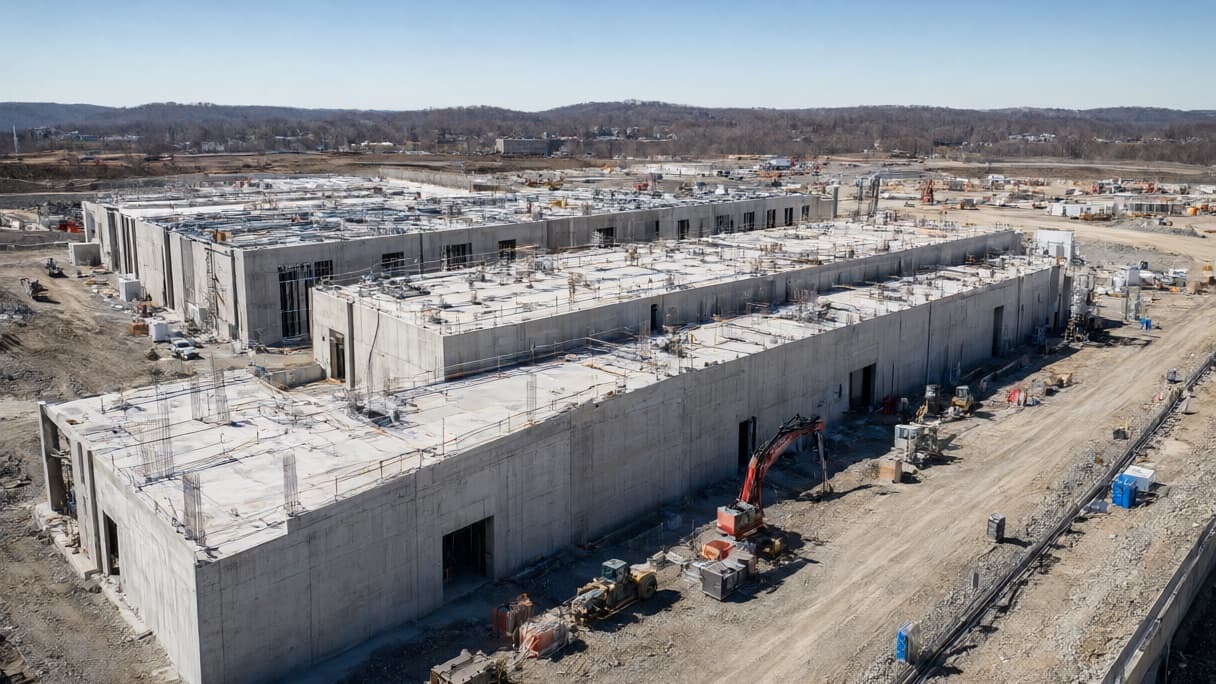
AI-generated image · US National Wire
The chipmaker may co-sign billions in loans for a West Virginia project featuring Anthropic and next-gen Rubin chips.
Nvidia is in discussions to guarantee billions of dollars in debt financing for AI cloud provider Nscale, as TechCrunch first reported. The move, according to reporting from The Information and Bloomberg, would allow Nscale to secure necessary funding for construction and electricity costs at its West Virginia campus.
Unlike previous support focused on chip purchases and leases, this proposed "residual value guarantee" would see Nvidia step in if Nscale defaults on construction payments. In such a scenario, Nvidia would temporarily take over the facility to find a new tenant and buyer, The Information reports.
The project is anchored by a $44.6 billion contract from Anthropic for the first 460-megawatt building, which is slated to utilize Nvidia’s next-generation Vera Rubin chips. Nscale's IPO filing indicates the companies are discussing a second deal for another building worth approximately $45 billion.
Nscale has faced significant headwinds, including the loss of a planned Microsoft site in England due to power grid delays and construction runoff that flooded nearby homes in West Virginia. While Nscale plans to deploy nearly 500,000 advanced AI chips, it only had about 25,000 running as of August, per TechCrunch.
The arrangement comes as "neoclouds" face investor pressure; CNBC reports that shares of IREN, Nebius, and CoreWeave all dropped more than 30% in October. The Information notes that Nvidia has already extended roughly $170 billion in credit support and investments to large customers and neoclouds, including $1 billion in convertible financing for Nscale in September.
Analysts suggest Nvidia's interest is driven by Anthropic's involvement. However, Blackstone has warned that Anthropic may receive a below-investment-grade credit rating following its IPO, which could increase borrowing costs and force the company to rely on stronger partners for debt backing.