
The TCP Dead End: Why AI Clusters Demand a Networking Revolution

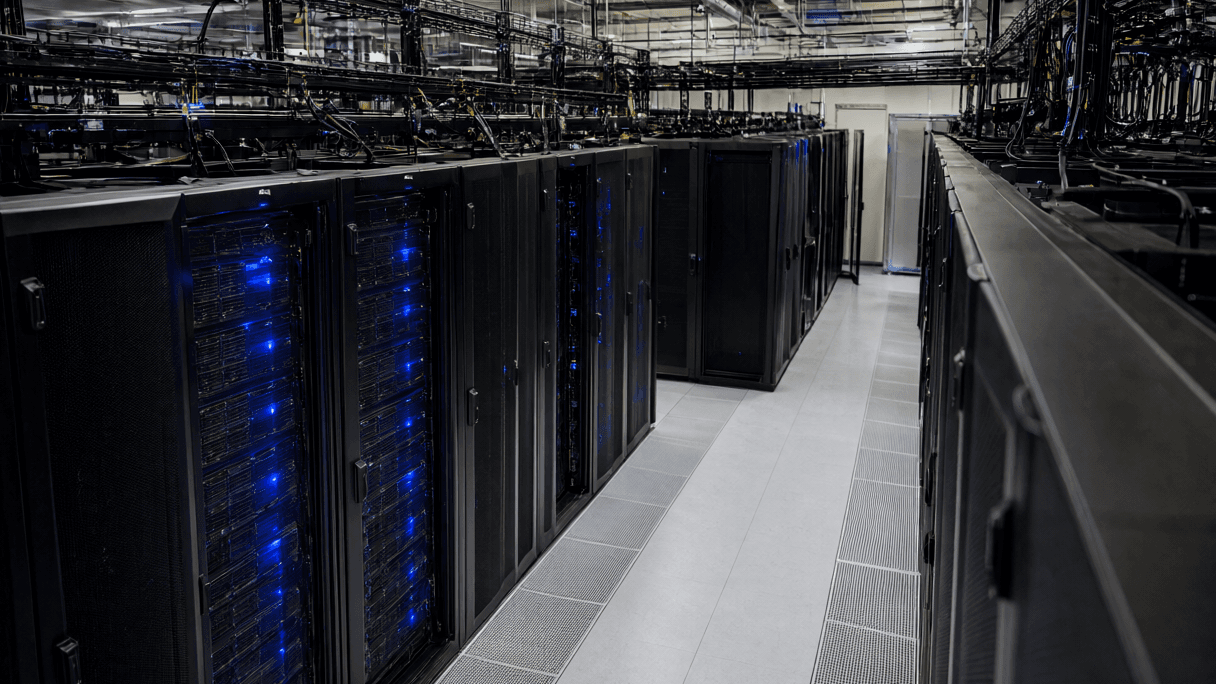
AI-generated image · US National Wire
Opinion: As AI scaling laws push hardware to the limit, the legacy protocols governing our data movement are becoming the primary bottleneck.
For decades, Transmission Control Protocol (TCP) has been the invisible architecture of the internet, a reliable standard that allowed the digital age to scale. But as we enter the era of massive AI clusters, we are hitting a wall. In my view, we are witnessing the beginning of the end for legacy networking protocols; to survive the demands of modern AI, we don't need a patch—we need a fundamental rewrite.
As first reported via Hacker News, John Ousterhout of Stanford detailed in a presentation hosted on YouTube that the current paradigm is failing. The core issue is that the way data moves within AI clusters is fundamentally different from the general-purpose traffic TCP was designed to handle. When scaling laws dictate the size of the next generation of models, the overhead and inefficiency of legacy protocols become existential threats to performance.
Ousterhout's work on Homa suggests that the industry is moving toward a precipice where TCP is no longer viable for these specific, high-intensity environments. The argument is clear: if we continue to rely on the networking standards of the past, the hardware investments of the future will be throttled by the very pipes meant to connect them.
This isn't merely a technical upgrade; it is a shift in philosophy. AI clusters require a level of efficiency and low-latency communication that legacy systems simply cannot provide. We are moving toward a future where the networking stack must be as specialized as the GPUs it supports. To ignore this transition is to accept a ceiling on AI growth.
While the transition away from TCP will be fraught with friction, the alternative is stagnation. The scaling laws are relentless, and our networking protocols must evolve or be discarded. The era of the general-purpose network is ending for the AI cluster, and in its place, a new architecture—like Homa—must emerge to unlock the next order of magnitude in intelligence.