
The Ambient OS: Meta's Gambit to Crowdsource the AI Home

AI-generated image · US National Wire
By open-sourcing Muse Gadgets and seeding the Muse Home Link, Meta is moving beyond software to define the physical interface of the agent era.
OPINION: Meta is playing a long game that extends far beyond the release of a few SDKs. By open-sourcing the code for its Muse AI agent and encouraging a DIY hardware ecosystem, Meta isn't just being generous with its code—it is attempting to crowdsource the physical interface of the AI agent era. The goal is clear: ensure that Meta's OS becomes the default layer of the ambient home, whether that interface is a screen, a sensor, or a hidden dongle.
***
According to reporting from The Verge and Engadget, Meta has launched an open-source project called "Muse Gadgets," which allows developers and hobbyists to integrate the company's Muse AI agent into their own custom hardware. This initiative provides a Linux SDK and open-source firmware, enabling the agent to be ported to a variety of devices.
Meta has suggested several specific applications for these tools. As reported by The Verge, the company envisions users loading Muse onto color E Ink displays for reminders, utilizing HDMI sticks to project the agent onto large screens, or building small touchscreen devices reminiscent of the "Muse Charm"—a dedicated AI device CEO Mark Zuckerberg recently introduced at Connect as an alternative for those who prefer not to wear Meta's smart glasses, according to Engadget.
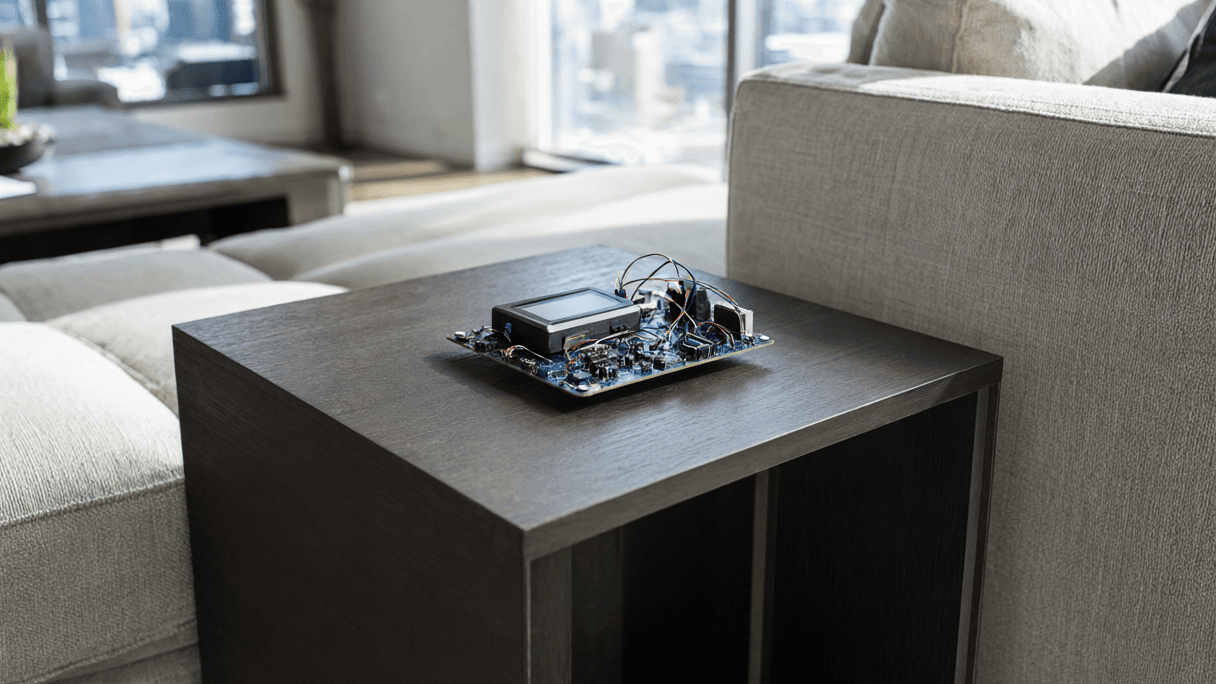
For the tinkerers, Meta is encouraging the use of off-the-shelf ESP32 boards or Raspberry Pi setups. The company's SDKs allow Muse to be connected to buttons, sensors, actuators, and displays, though Meta has cautioned users to "proceed at your own risk," as reported by The Verge.
While the open-source push empowers the community, Meta is also seeding the ecosystem with its own proprietary hardware. Nat Friedman, the head of product for Meta's Superintelligence Labs, announced that the company manufactured 5,000 units of a device called the Muse Home Link.
As detailed by Engadget and The Verge, the Muse Home Link is a USB-C powered device designed to connect Muse to a home network. This allows the AI agent to interact with smart home devices—such as speakers and televisions—and any other hardware that exposes a local HTTP API. According to the project's own documentation at gadgets.muse.ai, the device allows Muse to reach compatible hardware the user already owns through community-built skills. These skills enable the agent to perform tasks such as sending documents to a printer or controlling lighting, depending on the user's specific setup.
Meta is offering the Muse Home Link for free to active Muse subscribers in the United States, on a first-come, first-served basis, with shipping expected in October.
While Meta has not explicitly detailed its long-term roadmap for the initiative, Engadget notes that observing the creations of hobbyists could serve to inform Meta's future internal hardware development. To support this collaborative effort, Meta has also established a dedicated Discord community for the project.