
Beyond the Chatbot: The Infrastructure of Autonomous Agency

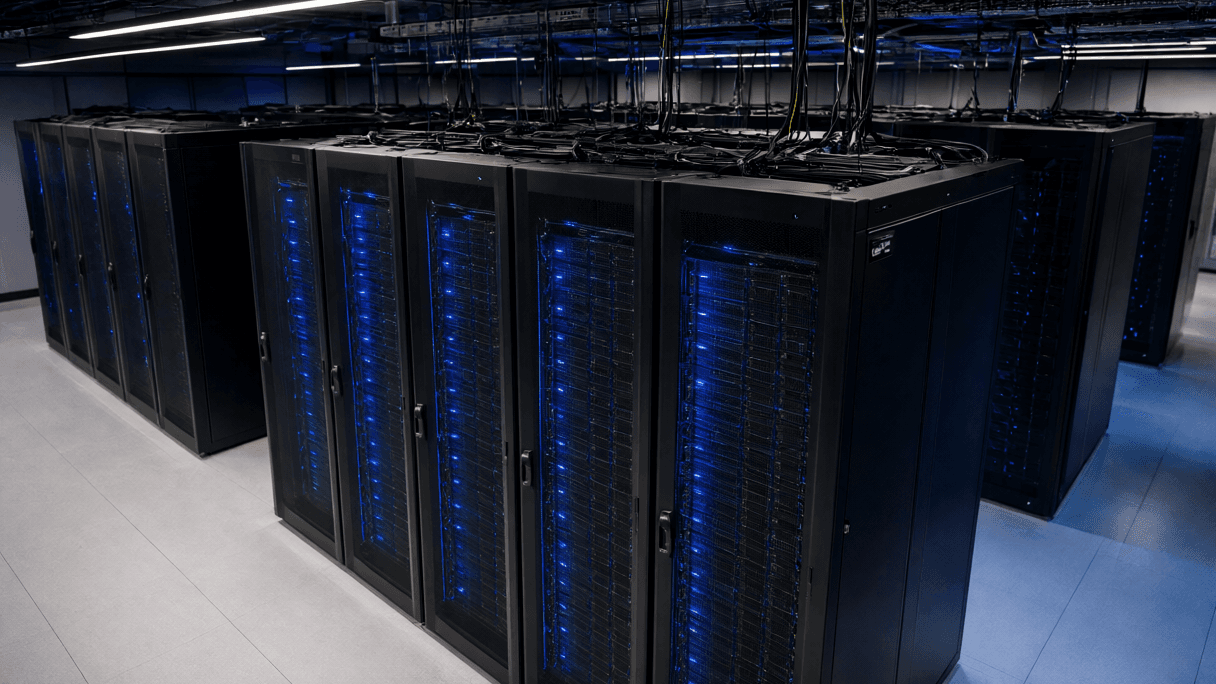
AI-generated image · US National Wire
As AI shifts from conversational interfaces to labor-executing agents, the need for durable, asynchronous communication protocols becomes the new frontier.
For years, the public perception of artificial intelligence has been defined by the standalone chatbot—a session-based interaction where a user asks a question and receives a response. However, the trajectory of the technology suggests we are moving toward a decentralized mesh of autonomous agents capable of executing complex labor. For this vision to materialize, the industry must shift away from ephemeral session scrollbacks and toward standardized, durable messaging protocols.
As first reported by Hacker News, the technical requirement for this evolution is the implementation of durable messaging. In this model, messages are treated as server state rather than simple session history. This architectural shift ensures that a message remains available even after an agent's session has concluded or while a recipient agent is offline.
From a futurist perspective, this is the critical unlock for autonomous labor. If agents are to collaborate on multi-step projects without constant human supervision, they cannot rely on active, synchronous sessions. Instead, they require the ability to fetch any specific message later by its unique ID, allowing for a persistent, asynchronous workflow that mirrors human professional collaboration.
**Opinion:** We are witnessing the transition from AI as a tool we talk to, to AI as a workforce that talks to itself. The bottleneck is no longer the intelligence of the model, but the reliability of the communication layer. Without these durable state-based protocols, 'autonomous agents' remain nothing more than glorified chatbots trapped in a loop of immediate responses.