
The Procurement Gamble: NASA's High-Stakes Pivot to Outpace China

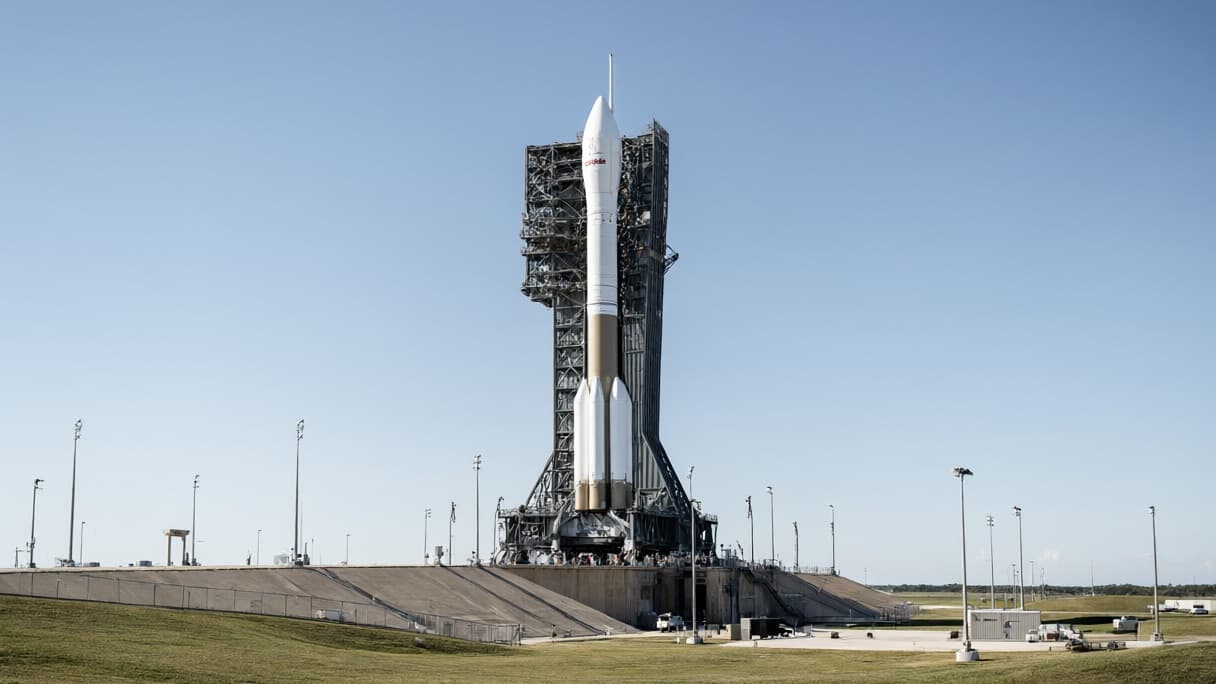
AI-generated image · US National Wire
By adopting DARPA-style contracting and casting a wide net across unproven startups, NASA is betting that a diversified commercial ecosystem can build a lunar base faster than traditional government micromanagement.
NASA is no longer playing it safe. In a bid to establish a permanent lunar outpost and compete with China, the agency has abandoned its historical timidity in favor of a high-risk, high-reward procurement strategy that reads more like a venture capital portfolio than a government ledger, as first reported by Ars Technica.
As reported by Ars Technica, NASA is moving away from micromanaging every subsystem of its lunar base. Instead, the agency is attempting to coordinate a wide array of independently developed commercial capabilities. This shift is most evident in the agency's adoption of a flexible procurement model mirrored after the US Defense Advanced Research Projects Agency (DARPA).
According to Mike Gold, president of Redwire Space and former NASA associate administrator, the agency is utilizing Broad Agency Announcements to solicit capabilities—such as lunar surface power—without imposing overly prescriptive requirements. Essentially, NASA is asking industry what it can deliver rather than dictating exact specifications. Gold notes that NASA has also implemented a two-step proposal process: companies first submit a short white paper, and only those concepts NASA wishes to pursue are required to invest the resources into a full, detailed proposal. Gold, whose company Redwire submitted proposals for lunar solar arrays, describes the current pace of procurement as "unprecedented."
This "all-hands-on-deck" approach is designed to build a comprehensive ecosystem of contractors to avoid reliance on a few prime vendors. While NASA continues to work with industry giants like SpaceX, Blue Origin, Lockheed Martin, and Northrop Grumman, Ars Technica reports the agency is aggressively diversifying. This includes leaning into companies with unproven hardware, such as Relativity Space and its Terran R rocket, as well as orbital transfer vehicles from Impulse Space. Other startups brought into the fold include ispace-US, Voyager Technologies, and Quantum Space.
The risk is palpable. NASA is funding companies whose hardware is not yet operational and, in some instances, exists only as engineering designs. However, Carlos García-Galán, manager of the Moon Base Program, indicated during a recent news conference that this rapid-fire solicitation process is necessary to meet the agency's established timeline for the Moon Base.
Funding for this acceleration is being cobbled together from various streams. NASA Administrator Jared Isaacman stated that some funding is being repurposed from the previously shuttered Lunar Gateway program, including $2.6 billion provided by the "One Big Beautiful Bill" act passed in 2025. Additional funds are being routed through the Commercial Lunar Payload Services Program.
**Opinion:** This is not merely a policy update; it is a desperate gamble. By outsourcing the lunar supply chain to the highest-performing bidders—regardless of their flight heritage—NASA is betting that commercial agility can overcome the bureaucratic inertia that has historically slowed the agency. In the race against China, NASA has decided that the risk of a commercial failure is preferable to the certainty of being second.